

Your Post-Surgical Scar: A Physiotherapy Guide for Optimal Recovery
June 12, 2026 · 3 min read
Your Post-Surgical Scar: A Physiotherapy Guide for Optimal Recovery
A surgical intervention doesn't end when you leave the operating room; the healing phase is crucial for a complete recovery. A post-surgical scar is more than just a mark on the skin; it's a complex biological process that, if not managed properly, can affect function, aesthetics, and quality of life. As a physiotherapist, my goal is to guide you on this journey, ensuring your scar heals in the best possible way.
Understanding Your Scar: Beyond the Surface
When the skin experiences a cut, such as during surgery, the body initiates an amazing repair process. A scar is the fibrous tissue that replaces normal skin to close the wound. Initially, it may be red and raised, but over time, it should flatten and lighten. However, factors such as location, incision type, genetics, and post-operative care greatly influence its evolution. Understanding that a scar goes through phases of inflammation, proliferation, and remodeling helps us know when and how to intervene effectively.
Physiotherapy: Your Ally from Day One
While physiotherapy is often associated with pain or mobility issues, its role in scar management is fundamental and should begin as soon as the wound is fully closed and authorized by your doctor. Early intervention prevents common complications such as adhesions, retractions, and the development of hypertrophic or keloid scars, which can be painful and restrictive. Our goal is not only to improve aesthetic appearance but, more importantly, to restore functionality, tissue elasticity, reduce pain and itching, and prevent movement restrictions that could affect your daily life.
Physiotherapy Techniques for a Healthy Scar
In physiotherapy, we have a variety of personalized tools and techniques to optimize your scar's healing and help you return to normality:
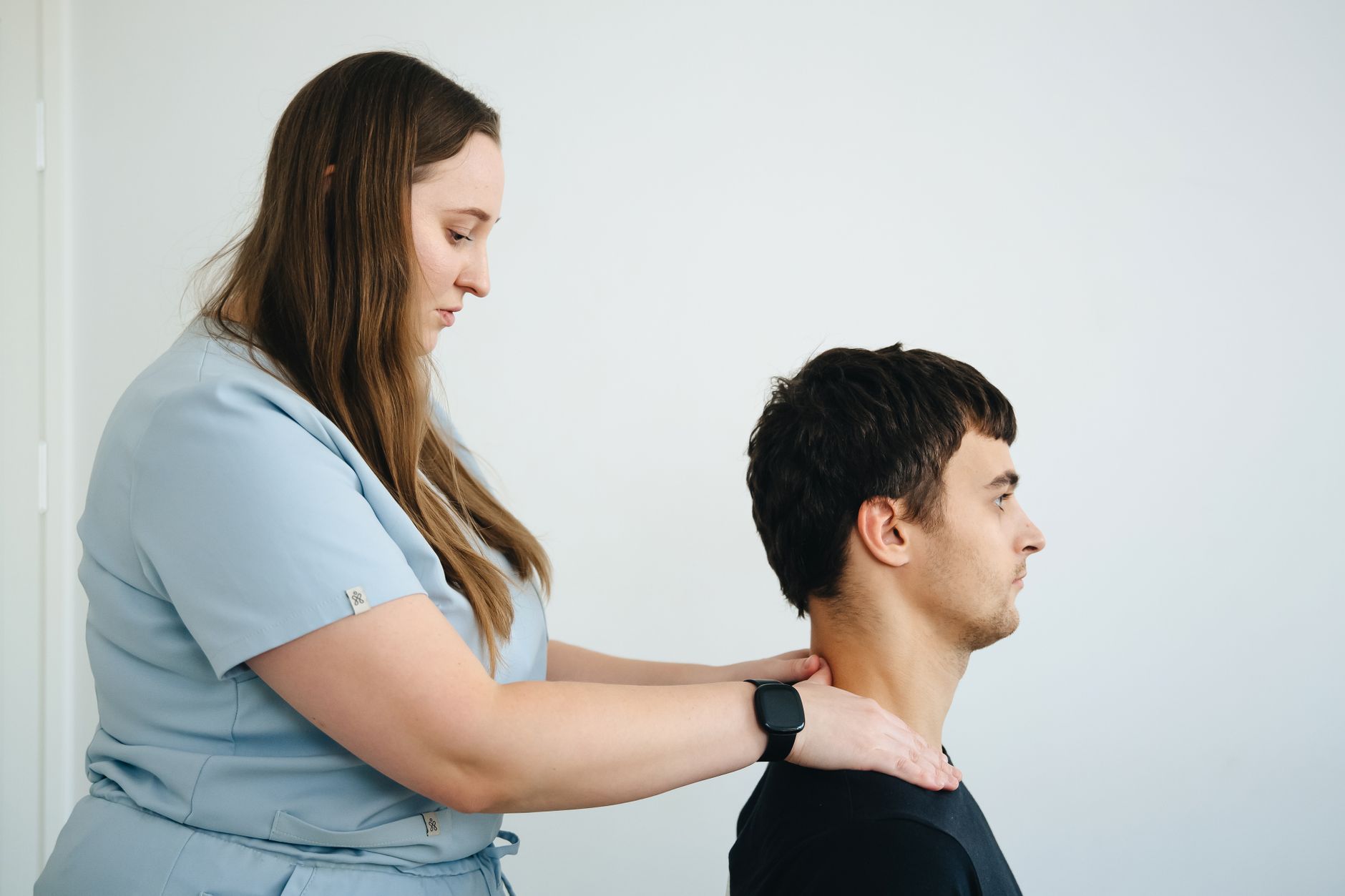
- Manual Therapy: This is the cornerstone of treatment. Through gentle but firm massages (circular, transverse, longitudinal, "S" or "Z" patterns), we aim to mobilize the scar tissue, soften it, break down internal adhesions, and improve blood circulation. This helps the collagen reorganize in a more orderly fashion, making the scar more flexible and less visible.
- Compression and Silicone: The application of specific compression garments or the use of silicone sheets/gels is very effective for scar maturation. They help reduce its height, redness, and itching, being especially beneficial in the prevention and treatment of hypertrophic and keloid scars.
- Mobilization and Stretches: Specific exercises are prescribed to restore full mobility to the affected area. This is crucial to prevent the scar from restricting joint or muscle movement, which often occurs if not addressed.
- Physical Agents: In some cases, we can use technologies like ultrasound to modulate the inflammatory process, reduce pain, improve tissue elasticity, or even facilitate the penetration of active ingredients.
- Patient Education: We will teach you self-massage techniques, the importance of constant skin hydration, essential sun protection for the scar, and how to recognize warning signs that require medical attention.
Your scar is part of your story, but it doesn't have to be a source of discomfort or limitation. With the right physiotherapy approach, we can work together to help it heal in the best possible way, allowing you to regain confidence and functionality. Don't wait for your scar to harden or cause problems; consult your physiotherapist for a personalized and optimal treatment plan.