

Dive into Recovery! Everything You Need to Know About Hydrotherapy in Physiotherapy
March 16, 2026 · 3 min read
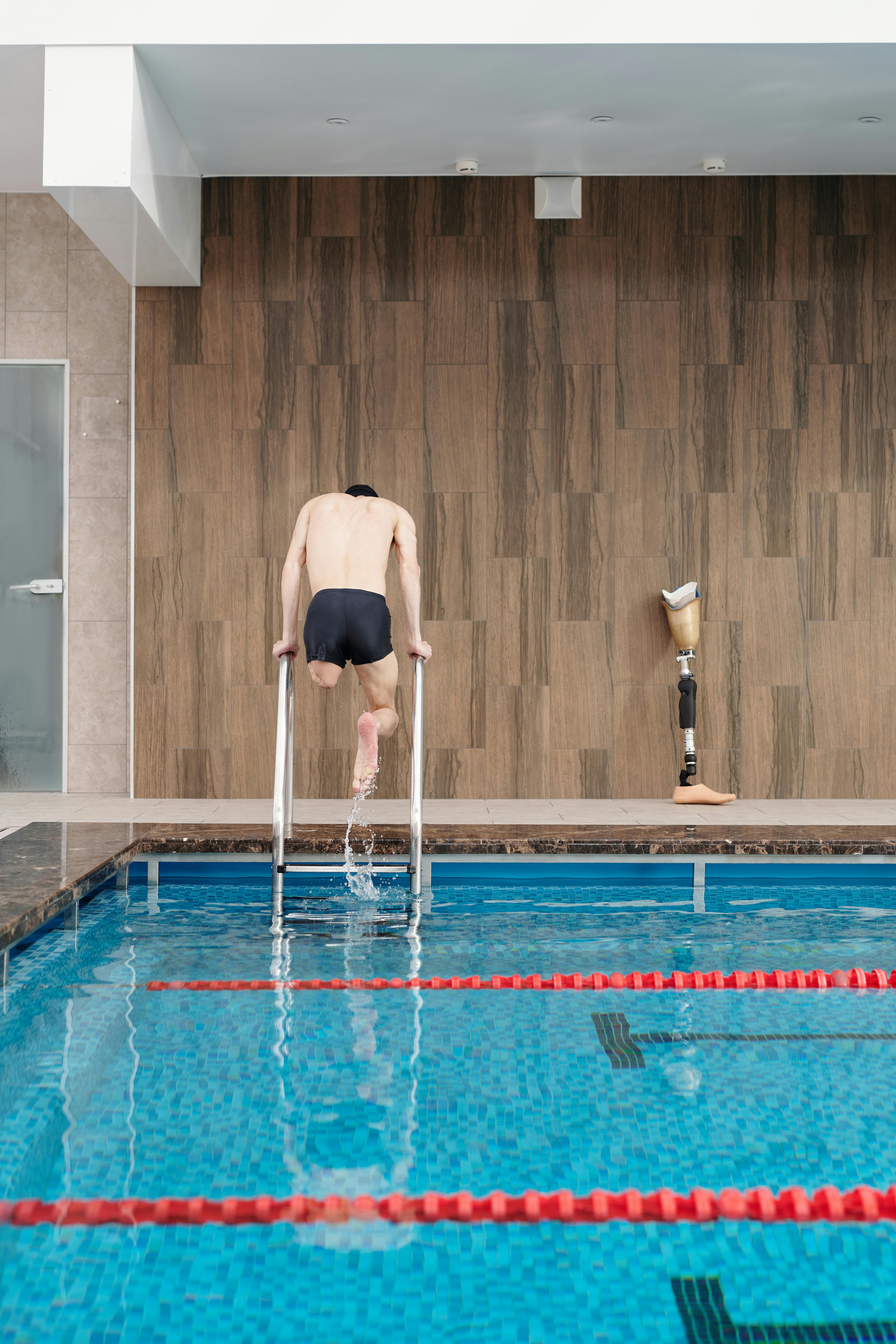
Dive into Recovery! Everything You Need to Know About Hydrotherapy in Physiotherapy
Physiotherapy is much more than stretching and dry exercises. Increasingly, professionals are incorporating hydrotherapy, or aquatic physiotherapy, as a powerful tool for rehabilitation and well-being. Water, with its unique properties, offers a therapeutic environment that can facilitate movement, reduce pain, and improve physical function significantly. In this article, we’ll explore the indications, contraindications, and benefits of this innovative therapy.
What is Hydrotherapy in Physiotherapy?
Hydrotherapy in physiotherapy utilizes water as a medium for performing exercises and treatments. This can include everything from simply immersing in a therapeutic pool to using water currents, jet massages, or applying different temperatures. The water provides partial buoyancy, reducing the impact on joints, allowing for a wider and more comfortable range of motion. Furthermore, the resistance of the water helps to strengthen muscles in a progressive and controlled manner.
Indications of Hydrotherapy: A World of Possibilities
Hydrotherapy is a versatile therapy that can be applied to a wide range of conditions. Some of the most common indications include:
- Chronic Pain: The uniform pressure of the water reduces pain and inflammation, facilitating mobility and improving quality of life in patients with fibromyalgia, arthritis, chronic lower back pain, among others.
- Musculoskeletal Injuries: Ideal for post-operative rehabilitation of knee, hip, shoulder, or ankle surgeries. The buoyancy and resistance of the water help to regain strength and flexibility.
- Neurology: Beneficial for patients with multiple sclerosis, stroke, cerebral palsy, or spinal cord injuries, as it facilitates movement and improves coordination.
- Postpartum Rehabilitation: Hydrotherapy helps to recover muscle strength, flexibility, and mobility after childbirth, while also promoting relaxation and reducing stress.
- Balance and Proprioception Problems: The water provides a safe environment to improve balance and body awareness, especially useful in people with vertigo or a risk of falls.
Contraindications: Important Precautions
Although hydrotherapy is generally safe, there are some contraindications that should be considered. It’s crucial that a physiotherapist carefully evaluates the patient before starting any treatment. Some contraindications include:
- Acute Infections: Any active infection, such as the flu, cold, or skin infection, should be treated before starting hydrotherapy.
- Severe Congestive Heart Failure: In patients with severe congestive heart failure, hydrotherapy can increase oxygen demand and potentially lead to complications.
- Thrombophlebitis: Hydrotherapy can aggravate thrombophlebitis (inflammation of a vein).
- Severe Hypotension: Patients with very low blood pressure may experience dizziness or fainting in the water.
- Cognitive Issues: Hydrotherapy is not appropriate for patients with cognitive issues or confusion.
Tips for Successful Hydrotherapy
To maximize the benefits of hydrotherapy, it’s important to follow the physiotherapist’s instructions and maintain a positive attitude. Communicate openly about any discomfort or inconvenience you experience. The water temperature should be pleasant, and the depth appropriate to allow for complete and safe movement.
Conclusion
Hydrotherapy in physiotherapy is a valuable therapeutic tool that offers a wide range of benefits for patients with various conditions. If you are considering this therapy, consult with your physiotherapist to determine if it’s suitable for you and to develop a personalized treatment plan. Dive into recovery and discover the power of water!