

Strengthen Your Foundation! Discover the Importance of Pelvic Floor Exercises
March 22, 2026 · 3 min read
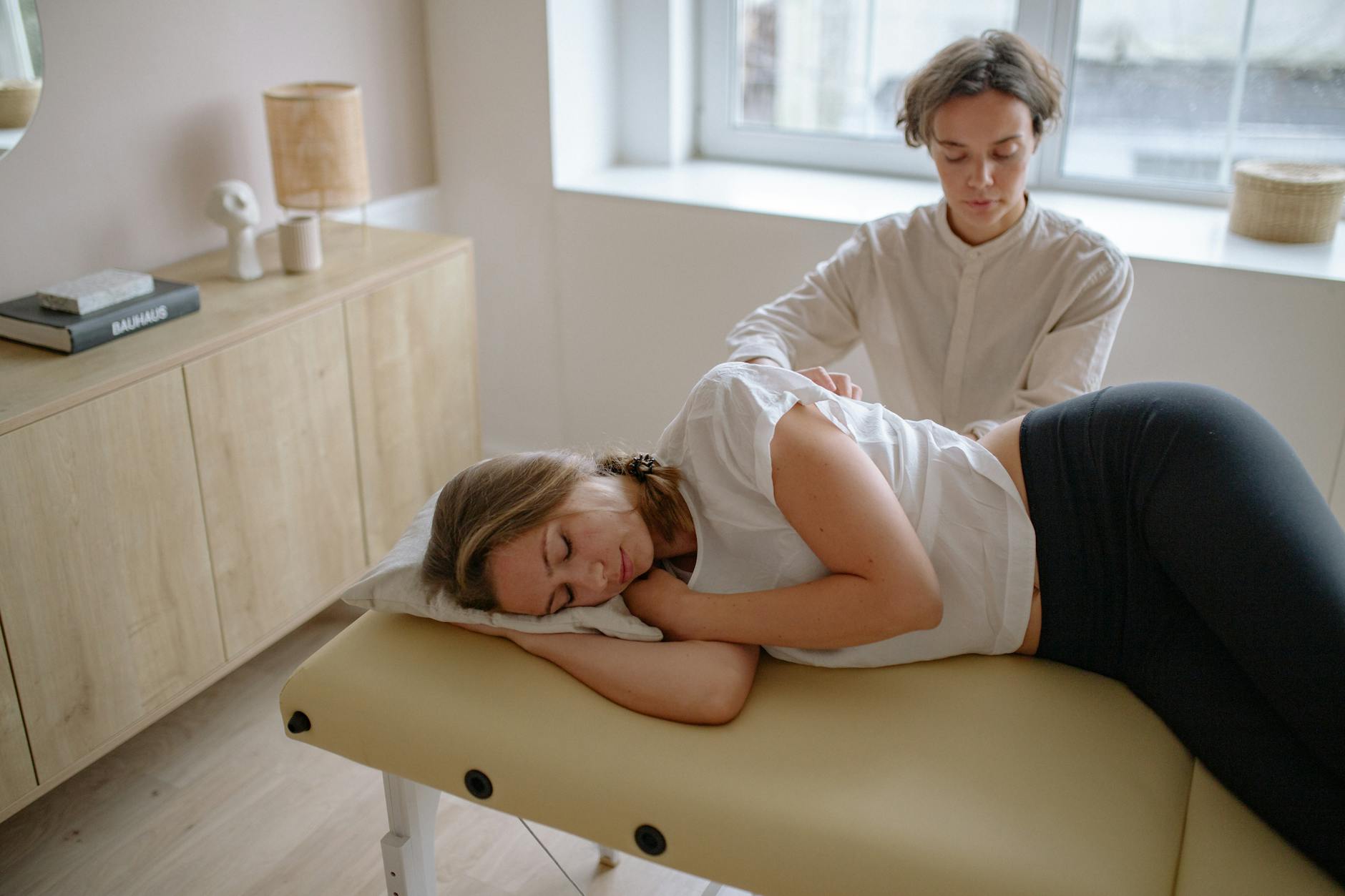
Strengthen Your Foundation! Discover the Importance of Pelvic Floor Exercises
The pelvic floor is a group of muscles that plays a crucial role in our health, yet it is often underestimated. Beyond its obvious function in controlling the bladder and bowel, these muscles are essential for pelvic stability, spinal support and, for women, well-being during pregnancy and postpartum. Fortunately, strengthening them is something we can do, and pelvic floor exercises (also known as Kegel exercises) are a powerful tool for improving our quality of life.
What Is the Pelvic Floor and Why Is It Important?
The pelvic floor is a complex area that includes muscles, ligaments and nerves. In men, it helps keep the prostate in place and control ejaculation. In women, it is essential for bladder and rectal control, as well as supporting the pelvic organs and contributing to sexual function.
Weakening of these muscles can lead to problems such as urinary or fecal incontinence, pelvic organ prolapse (in women), pelvic pain and reduced sexual satisfaction. In addition, a stable pelvis is vital for good posture and for preventing back pain.
How to Perform Kegel Exercises: The Correct Technique
The key to making Kegel exercises effective lies in the technique. It is not about tightening the abdominal muscles or lifting the legs. The goal is to contract the muscles you would use to stop the flow of urine in the middle of urination. Here are some steps:
- Identify the muscles: Try to imagine that you are trying to stop the flow of urine. Those are the pelvic floor muscles.
- Contract: Tighten those muscles for 3–5 seconds.
- Relax: Completely relax the muscles for 3–5 seconds.
- Repeat: Perform 10–15 repetitions, 3 times a day.
It is important to maintain relaxation between contractions. If you find yourself contracting other muscles, stop and refocus on the pelvic floor muscles. You can practice in front of a mirror to make sure that you are only moving the correct muscles.
Variations and Additional Exercises
Once you master the basic contraction, you can explore variations to increase intensity and challenge. Some options include:
- Quick contractions: Tighten and relax the muscles quickly, as if you were trying to stop the flow of urine intermittently.
- Sustained contractions: Hold the contraction for a longer period, such as 10 seconds.
- Breathing exercises: Inhale deeply and exhale slowly while contracting the pelvic floor muscles.
You can also combine Kegel exercises with other core-strengthening exercises, such as planks and bridge exercises.
Benefits Beyond Incontinence
While preventing and treating incontinence is an important reason to perform pelvic floor exercises, the benefits go far beyond that. Strengthening the pelvic floor can improve sexual function, reduce pelvic pain, improve posture and increase pelvic stability. It can even help prevent sports injuries and improve performance in physical activities.
CONCLUSION: Pelvic floor exercises are an investment in your overall health and well-being. They are easy to learn, require no equipment and can be performed anywhere. Incorporating them into your daily routine can make a significant difference in your quality of life.