

Breathe Deep: Physiotherapy and Bronchial Hygiene for Asthma
August 13, 2026 · 3 min read
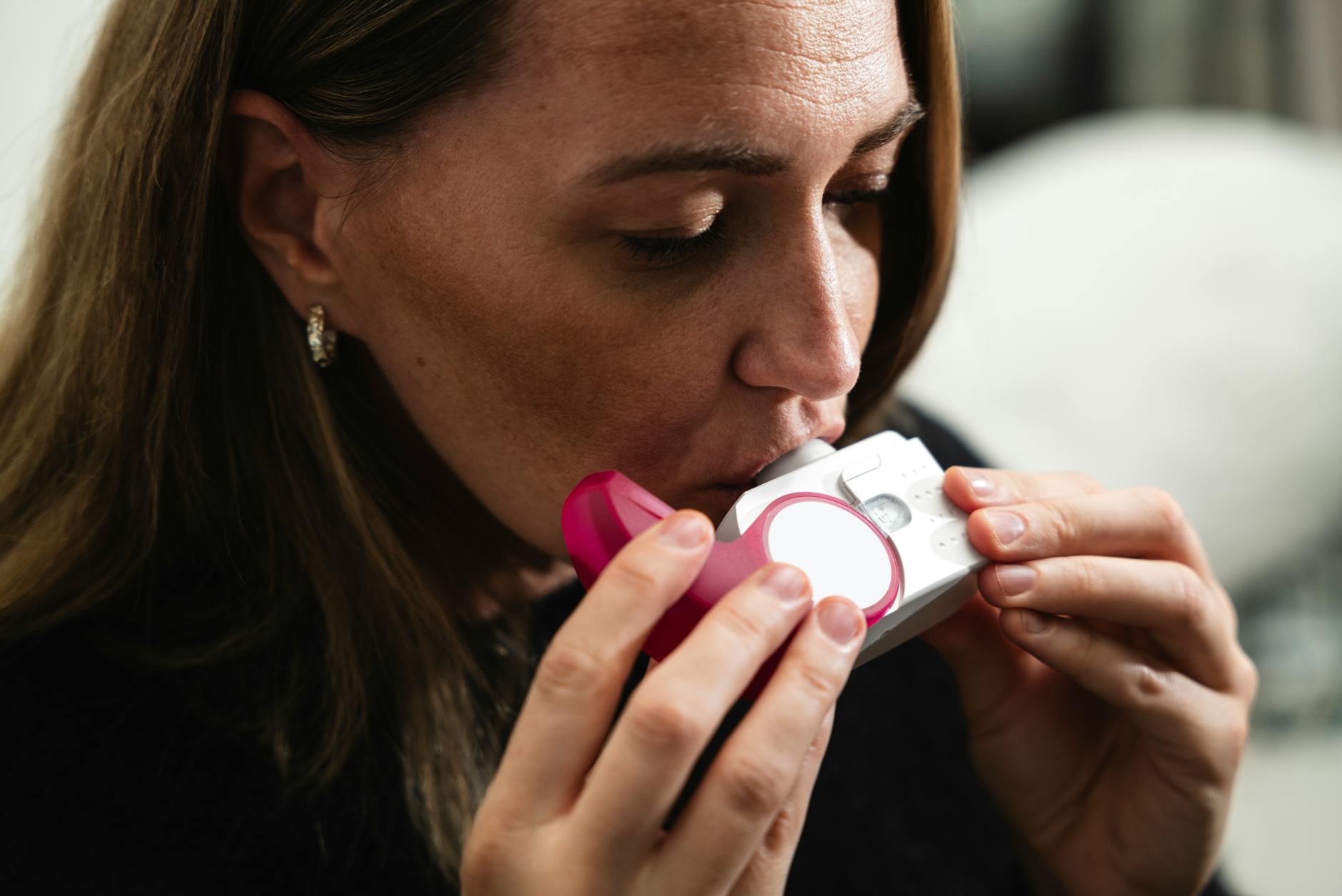
Breathe Deep: Physiotherapy and Bronchial Hygiene for Asthma
Asthma is a chronic respiratory disease affecting millions, impacting quality of life with symptoms such as wheezing, coughing, and shortness of breath. While medication is fundamental, respiratory physiotherapy offers a valuable complement, especially through bronchial hygiene techniques. These tools allow us to better manage secretions and improve pulmonary ventilation, facilitating more effective and comfortable breathing.
Why is Bronchial Hygiene Key in Asthma?
Chronic inflammation of the airways in asthma often leads to excessive mucus production and difficulty expelling it. This thick mucus can further obstruct the bronchi, worsening coughing, wheezing, and the feeling of shortness of breath. Furthermore, stagnant secretions increase the risk of lung infections. Bronchial hygiene techniques, guided by a physiotherapist, help mobilize and eliminate these secretions, significantly improving airflow, reducing symptoms, and allowing inhaled medications to reach the airways more effectively.
Active Breathing Techniques: Active Cycle of Breathing Techniques (ACBT)
One of the most effective and versatile tools is the Active Cycle of Breathing Techniques (ACBT), a three-phase sequence that the patient can learn and perform independently. It begins with Breathing Control, a relaxed diaphragmatic breath to prevent bronchospasm. This is followed by Thoracic Expansion Exercises, which involve deep, sustained inspirations, often with an inspiratory hold, to mobilize air behind secretions. Finally, Forced Expiration Techniques (FET), such as the "huff" or assisted cough, mobilize secretions towards the upper airways for expulsion. ACBT is adaptable and focuses on active patient participation to maximize effectiveness.
Positive Expiratory Pressure (PEP) Devices
PEP devices are excellent allies for bronchial hygiene in asthma. They work by generating positive pressure upon exhalation, which helps open collapsed small airways and keep them open. This pressure, often oscillatory (oPEP), also transmits a vibration that "shakes" mucus from the bronchial walls, facilitating its displacement. Common examples include the Flutter, the Acapella, or threshold PEP devices. They are easy to use, portable, and allow the patient to perform therapy autonomously, improving secretion clearance and pulmonary ventilation.
Complementary Strategies and Personalization
In addition to these main techniques, there are other complementary strategies such as autogenic drainage, which focuses on controlling airflow to gradually mobilize secretions, or the use of percussion and vibration (generally assisted by a caregiver or therapist). The key to success in respiratory physiotherapy for asthma lies in personalization. Every asthmatic patient is unique, and an expert physiotherapist will evaluate your breathing pattern, the quantity and quality of your secretions, and your physical capacity to design a treatment plan adapted to your specific needs, ensuring maximum effectiveness and safety.
Respiratory physiotherapy, with its focus on bronchial hygiene, is a fundamental pillar for the comprehensive management of asthma. By learning and applying these techniques, patients can improve their quality of life, reduce the frequency of symptoms, and gain greater control over their breathing. Always remember to consult a specialized physiotherapist to adapt these techniques to your specific needs.