

Recovering Mobility: Physiotherapy for Successful Scar Healing
March 17, 2026 · 3 min read
Recovering Mobility: Physiotherapy for Successful Scar Healing
Scars are a common reality after surgeries, burns, or injuries. While they are a natural response of the body to injury, they can cause pain, limited movement, and affect quality of life. Fortunately, physiotherapy plays a crucial role in managing and optimizing the healing process, helping to minimize complications and restore function. In this article, we’ll explore how physiotherapy can be a valuable tool for treating post-operative scars.
Understanding Scarring and its Challenges
The scarring process is complex and consists of several phases: inflammation, proliferation, and remodeling. Initially, inflammation causes swelling, redness, and pain. Then, the body produces collagen to repair the damaged tissue. However, sometimes this process can result in the formation of keloid, hypertrophic, or simply raised scars, which can be painful and limit movement. Physiotherapy focuses on addressing these challenges from the outset, promoting optimal healing and preventing complications.
Physiotherapy Techniques for Scar Healing
There are various techniques that physiotherapists use to treat scars. The choice of technique will depend on the type of scar, its location, and the individual patient’s needs. Some of the most common include:
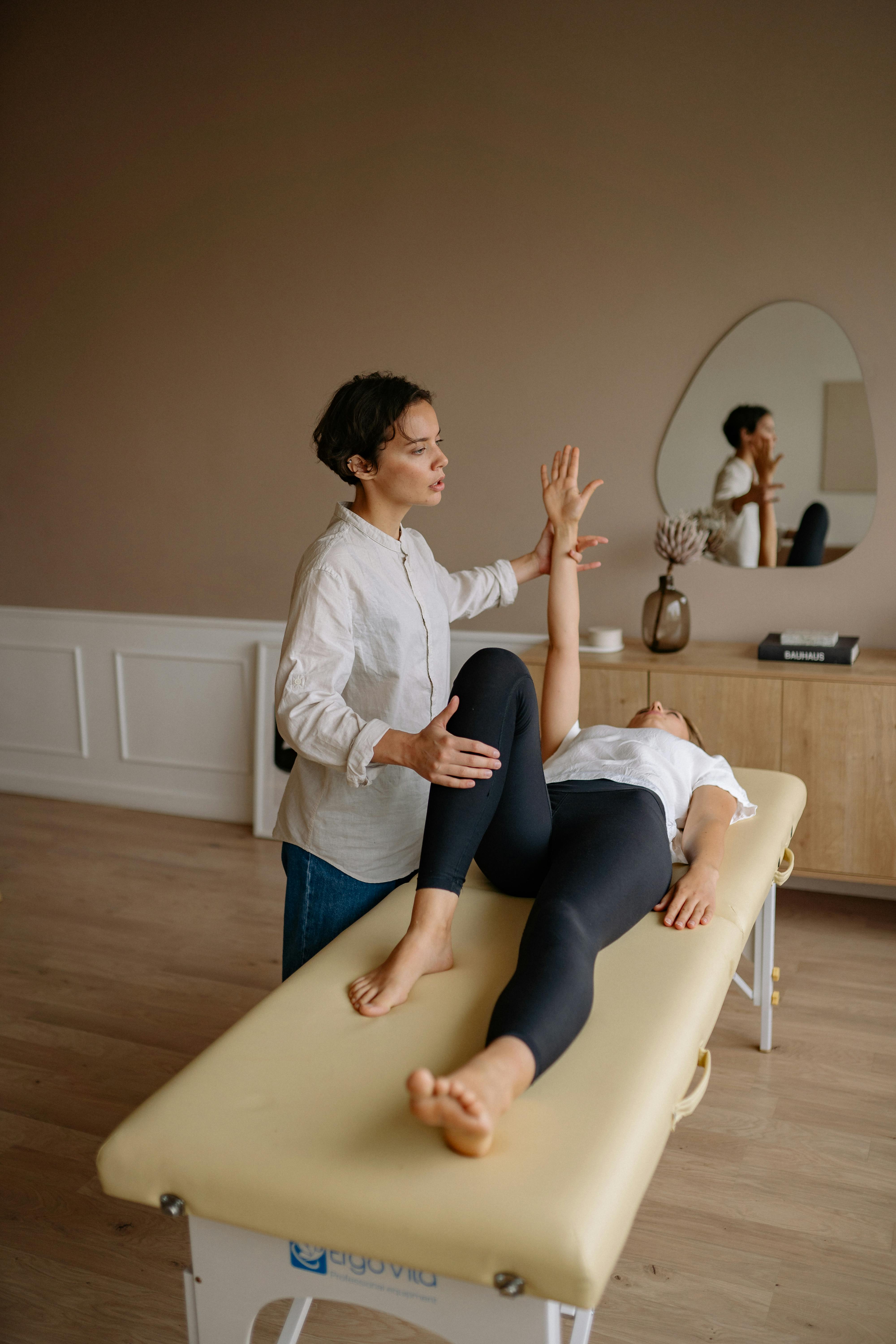
- Mobilization and Stretching: Gentle, regular movement around the scar helps maintain flexibility, prevent stiffness, and improve blood circulation. Specific stretches, tailored to the scar, can help reduce pain and improve range of motion.
- Therapeutic Massage: Gentle, targeted massage can help break down scar tissue adhesions, improve circulation, and reduce pain. Different types of massage, such as myofascial release massage, which focuses on releasing restrictions in surrounding tissues, exist.
- Manual Therapy: Techniques like joint mobilization and myofascial release can help improve mobility in adjacent joints and release tension in muscles that may be contributing to pain and limitation.
- Electrotherapy: In some cases, modalities such as TENS (Transcutaneous Electrical Nerve Stimulation) or ultrasound can be used to relieve pain and promote healing.
Key Factors for Effective Treatment
For physiotherapy to be truly effective in treating scars, it’s crucial to consider several factors:
- Early Detection: Starting physiotherapy as soon as possible after surgery or injury is crucial. The earlier the treatment begins, the easier it will be to prevent complications and optimize healing.
- Open Communication: It’s important that the patient informs the physiotherapist about any pain, sensitivity, or limitations they are experiencing.
- Treatment Adaptation: The treatment plan should be individualized and adapted to the patient’s specific needs. The physiotherapist will adjust the techniques and the intensity of treatment based on the patient’s response.
- Patient Education: The patient should be educated on how to care for their scar at home, including the application of moisturizing creams, sun protection, and performing gentle exercises.
Conclusion
Physiotherapy offers a holistic approach to treating post-operative scars, promoting optimal healing, reducing pain, and improving function. With an individualized treatment plan and collaboration between the patient and the physiotherapist, it’s possible to regain mobility and improve quality of life after surgery or injury. Don’t hesitate to consult a physiotherapist to evaluate your scar and develop an appropriate treatment plan for you.