

Getting Back on Your Feet: Your Essential Guide to Post-Hip Fracture Rehabilitation in the Golden Years
August 10, 2026 · 4 min read
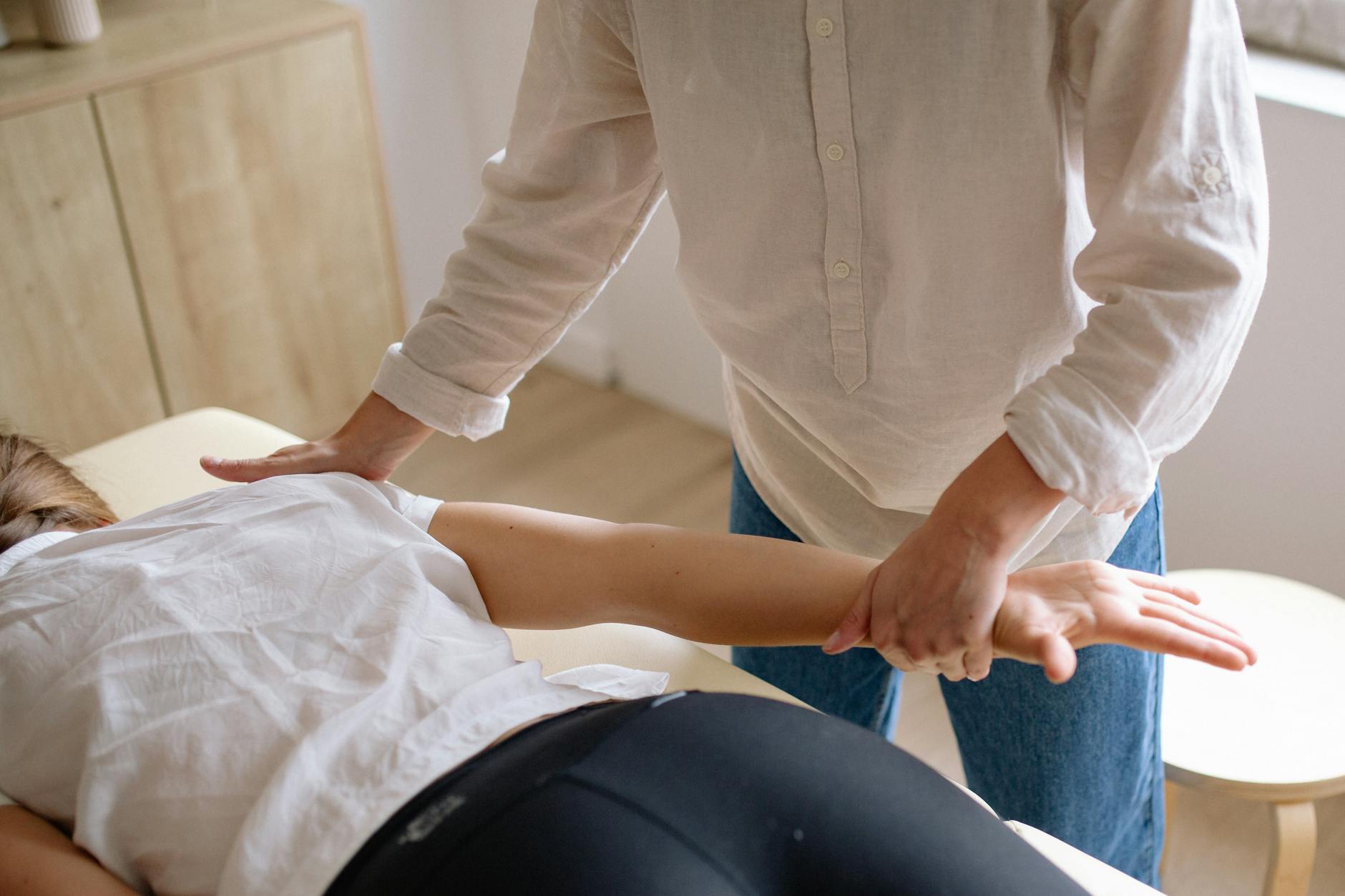
Getting Back on Your Feet: Your Essential Guide to Post-Hip Fracture Rehabilitation in the Golden Years
A hip fracture is a serious and, unfortunately, very common event in older adults, often with significant consequences for their quality of life. Beyond surgical intervention, the path to full recovery is a fundamental process that demands dedication, patience, and a professional approach. Post-surgical rehabilitation is, without a doubt, the key to restoring mobility and independence.
The Importance of Early and Personalized Rehabilitation
After a hip fracture, the immediate priority is surgery to stabilize the bone. However, the true "healing" process goes much deeper. A hip fracture not only affects the bone but can also profoundly impact the patient's muscle strength, balance, confidence, and functional capacity. Rehabilitation should begin as soon as it is medically safe, even in the first few postoperative days.
A multidisciplinary team (surgeons, nurses, physiotherapists, occupational therapists, and often, nutritionists) works together to ensure comprehensive recovery. The primary goal of early physiotherapy is to control pain, prevent complications such as deep vein thrombosis or pneumonia, and safely mobilize the patient to prevent muscle weakness and loss of functionality. It's not just about repairing the bone, but about returning life to movement and autonomy to the individual.
Stages of the Journey Towards Mobility Recovery
The hip fracture rehabilitation process is generally divided into several phases, each with specific objectives:
- Hospital Phase (Acute): Begins immediately after surgery. The physiotherapist focuses on gentle range-of-motion exercises, pain control, and teaching the patient how to sit up, transfer from bed to a chair, and take the first steps with the help of a walker, always respecting the weight-bearing precautions indicated by the surgeon. Education on protecting the operated hip is paramount.
- Subacute Phase (Outpatient or Home-based): Once the patient is discharged from the hospital, rehabilitation continues at home or in an outpatient center. In this stage, the focus broadens towards progressive strengthening of the hip and leg muscles (quadriceps, glutes), improving balance, and gait re-education. The goal is to increase independence in activities of daily living, such as dressing, showering, or preparing meals, and to progress towards using canes or walking without aids.
- Maintenance and Prevention Phase (Long-Term): This phase is crucial for consolidating achievements and, most importantly, preventing future falls. It focuses on a continuous exercise program to maintain strength, balance, and flexibility, as well as adapting the home environment to minimize risks.
Keys to Successful Recovery and Future Fall Prevention
Successful recovery after a hip fracture requires a holistic approach and the active participation of the patient and their support system:
- Specific Exercises: The physiotherapist will design a personalized program that will include strengthening exercises (leg raises, assisted squats), balance exercises (single-leg standing, tandem walking), and flexibility. Adherence to this program is vital.
- Environmental Adaptation: Making changes at home, such as installing grab bars in the bathroom, improving lighting, removing loose rugs, and ensuring frequently used objects are within reach, significantly reduces the risk of new falls.
- Nutrition and Hydration: A diet rich in protein and calcium, along with good hydration, is essential for bone healing and maintaining muscle mass.
- Pain Management: Learning to manage post-surgical pain and pain associated with rehabilitation is fundamental for maintaining motivation and progression.
- Family Support: The companionship and motivation from family and friends are a fundamental pillar in this process, offering encouragement and assistance when necessary.
- Medication Review: It is important to review with the doctor any medications that may cause dizziness or affect balance.
Rehabilitation after a hip fracture is a challenging but enormously rewarding process. With a well-structured physiotherapy plan, adequate support, and the patient's perseverance, it is entirely possible to regain an excellent quality of life and once again enjoy independence. Remember: every step counts on this path to your well-being.