

Recovering Movement and Quality of Life: Physiotherapy in Parkinson’s Disease
April 28, 2026 · 3 min read
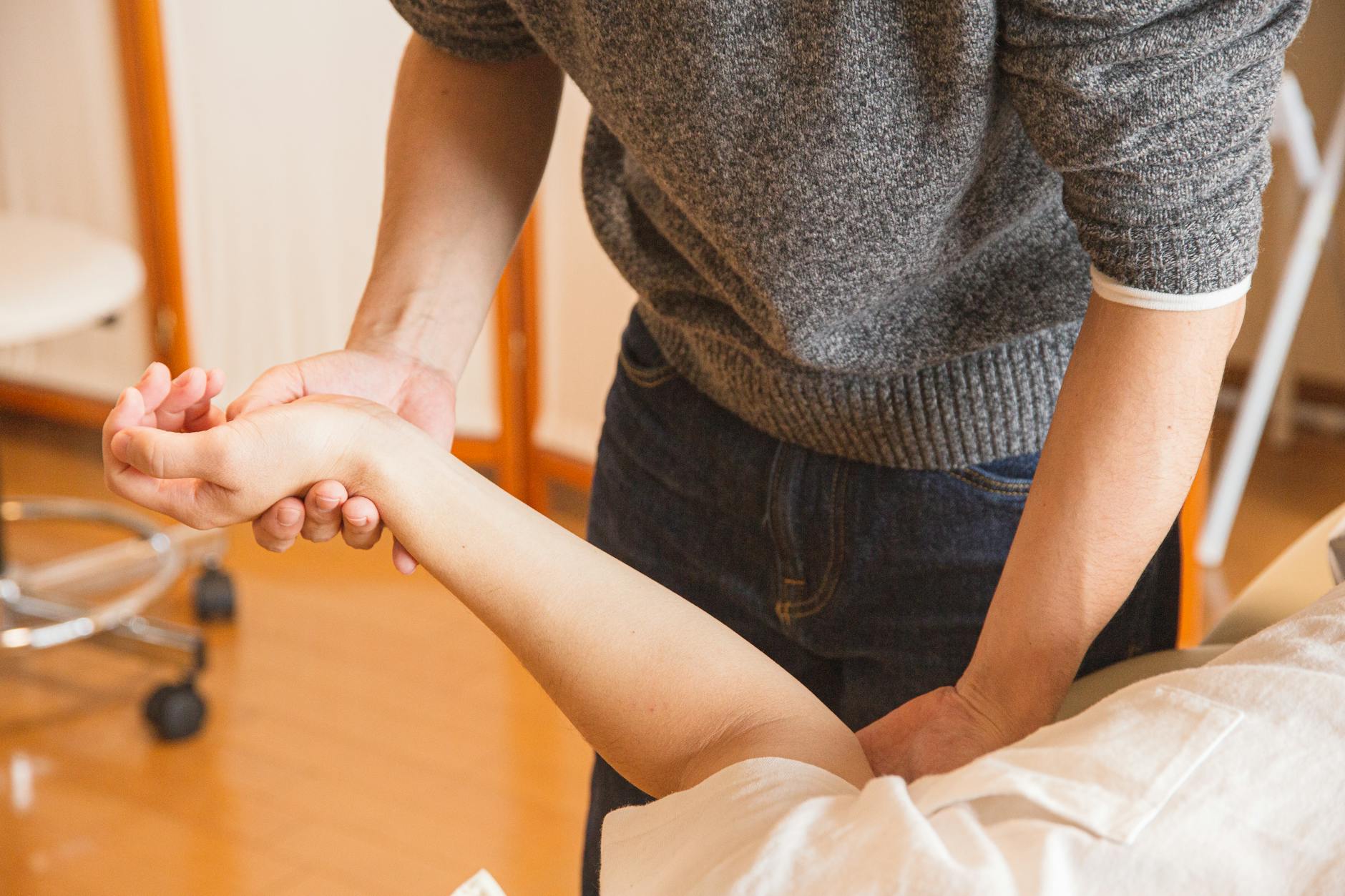
Recovering Movement and Quality of Life: Physiotherapy in Parkinson’s Disease
Parkinson’s disease is a progressive neurodegenerative disorder that affects motor control, among other symptoms. While there is no cure, physiotherapy plays a crucial role in managing symptoms, improving mobility, and, most importantly, increasing the quality of life for individuals living with this condition. This article will explore how physiotherapy can help patients with Parkinson’s maintain their independence and enjoy a fulfilling life.
Understanding the Challenges of Parkinson’s and the Need for Physiotherapy
Parkinson’s disease is characterized by the loss of dopamine-producing neurons in the brain, which affects coordination, balance, flexibility, and movement speed. Symptoms vary from person to person, but common ones include tremors, muscle stiffness, slowness of movement (bradykinesia), and balance problems. These symptoms can significantly impact the ability to perform daily activities such as walking, dressing, eating, or even speaking. Physiotherapy doesn’t just address these symptoms directly, but also helps prevent complications like falls and maintains muscle strength and flexibility, which are essential for independence.
Specific Exercises for Parkinson’s Disease
Physiotherapy for Parkinson’s is not a one-size-fits-all approach; it’s tailored to the individual needs of each patient. A well-designed exercise program can include:
- Mobility Exercises: Focus on improving the range of motion in joints, particularly in the extremities. This may include ankle, knee, and hip rotations, as well as gentle stretches to reduce stiffness.
- Strengthening Exercises: Help maintain muscle strength, which is crucial for walking and stability. Elastic bands, light weights, or bodyweight are used for strengthening exercises.
- Balance and Proprioception Exercises: Proprioception is the awareness of the body in space. Balance exercises, such as standing with eyes closed or walking in a straight line, help improve stability and reduce the risk of falls.
- Gait Exercises: Techniques like the “shuffle step” (march-like step) and “tandem gait” (tandem walking) are used to improve walking efficiency and coordination.
Beyond Exercise: Manual Therapy and Complementary Techniques
Physiotherapy for Parkinson’s extends beyond just exercise. Manual therapy, such as joint mobilization and massage, can help alleviate muscle stiffness and improve mobility. Additionally, techniques such as:
- Transcutaneous Electrical Nerve Stimulation (TENS): Uses gentle electrical impulses to stimulate nerves and reduce pain and stiffness.
- Adapted Pilates and Yoga: These disciplines can improve flexibility, strength, and balance, as well as promote relaxation and body awareness.
- Assistive Device Training: Patients can be taught to use devices like canes, walkers, or exoskeletons to improve mobility and independence.
The Importance of Adaptation and Ongoing Monitoring
It’s crucial to remember that Parkinson’s disease is progressive, so the physiotherapy program must adapt as symptoms evolve. Constant communication between the patient, physiotherapist, and medical team is essential to ensure the treatment is effective and safe. Regular monitoring allows for adjusting the exercise program, addressing new challenges, and maintaining patient motivation.
Conclusion
Physiotherapy is a valuable tool for individuals living with Parkinson’s disease. By addressing motor symptoms, improving mobility, preventing falls, and promoting independence, physiotherapy can have a significant impact on patients’ quality of life. Don’t hesitate to seek the help of a physiotherapist specializing in Parkinson’s to develop a personalized treatment plan that suits your individual needs.