

Regaining Control: Your Path to Rehabilitation After Cauda Equina Syndrome
July 4, 2026 · 3 min read
Regaining Control: Your Path to Rehabilitation After Cauda Equina Syndrome
Cauda Equina Syndrome (CES) is a serious medical emergency that occurs when the nerves at the bottom of the spinal cord are compressed, requiring immediate surgical intervention. But the story doesn't end with surgery; in fact, that's where a crucial and often challenging phase begins: rehabilitation. As a physiotherapist, my goal is to guide you on this path to recovery, helping you regain function and quality of life.
Understanding the Injury and First Steps Post-Surgery
CES affects the bundle of lumbar and sacral spinal nerves, known as the "cauda equina" (horse's tail) due to its shape. Compression of these nerves can cause leg weakness, numbness in the genital and anal area (saddle anesthesia), bladder and bowel dysfunction, and intense pain. Following surgical decompression, the primary goal of rehabilitation is to optimize nerve and functional recovery. The first few days focus on pain management, gentle mobilization, and the prevention of secondary complications, such as muscle atrophy or pressure ulcers. It's a delicate time where patient education on safe movements and body awareness is fundamental.
Phases of Rehabilitation: A Personalized and Progressive Approach
CES rehabilitation is a dynamic and highly individualized process, adapting to the extent of nerve damage and each patient's response.
-
Acute/Initial Phase: Immediately after surgery, the priority is to minimize pain, prevent stiffness, and begin with gentle, controlled movements. This may include nerve mobilization exercises (if appropriate), breathing exercises, and gentle muscle activation. Special attention is paid to bladder and bowel management, often in collaboration with other specialists. Education on safe postures and transfers is key.
-
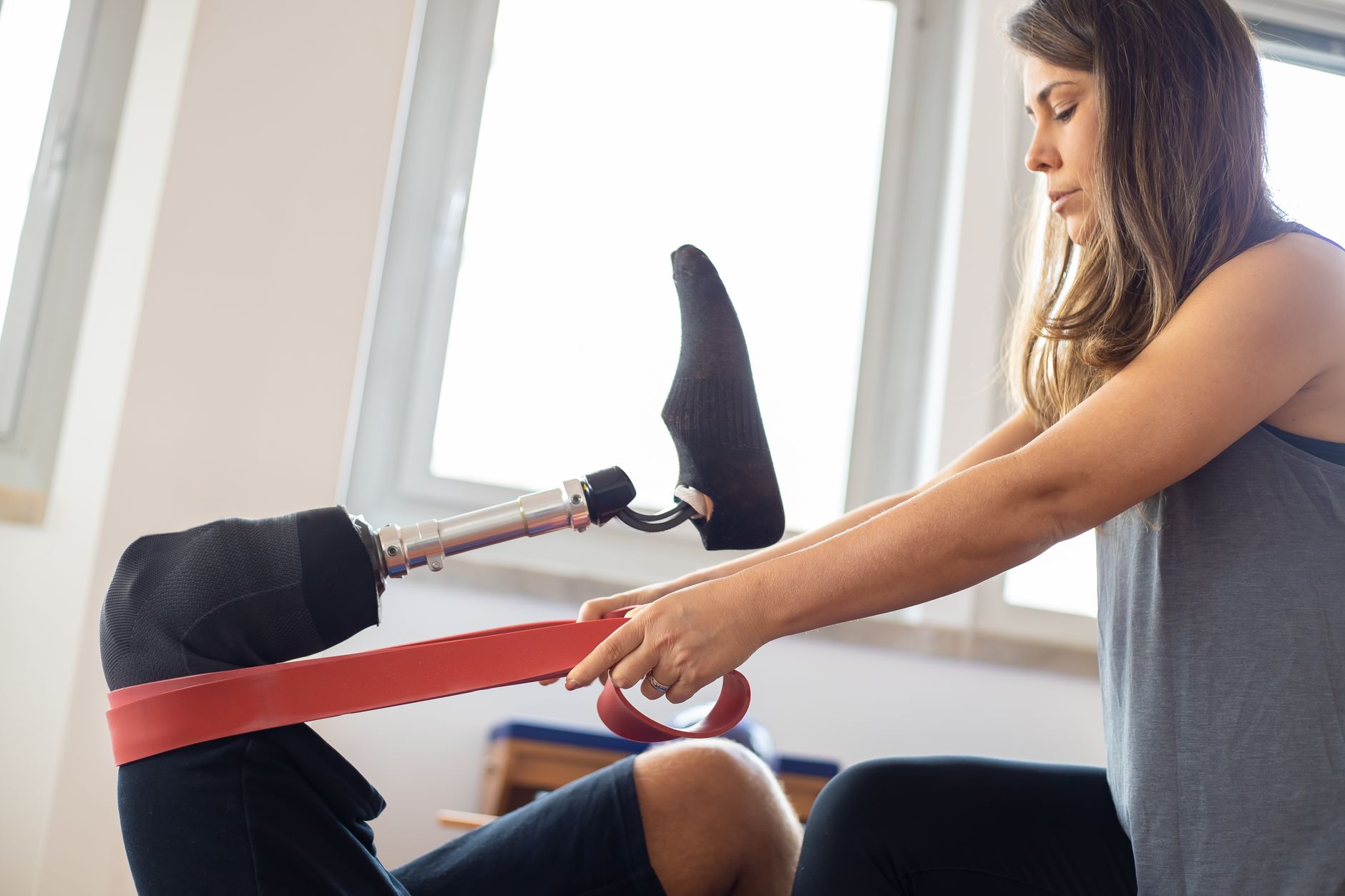
Subacute/Progressive Phase: Once acute pain has subsided and surgical stability is assured, the program intensifies. We focus on strengthening core and lower limb musculature, improving balance and coordination, and gait re-education. Exercises may include light weightlifting, resistance bands, stationary cycling, and proprioception exercises. Residual sensory and motor dysfunctions are addressed, including specific pelvic floor work to improve bladder and sexual control.
-
Chronic/Maintenance Phase: This phase aims for complete functional integration, allowing the patient to return to their daily, work, and recreational activities. Work focuses on endurance, agility, and, if possible, readaptation to sports activities. Self-management is also emphasized, teaching the patient strategies to maintain their strength, flexibility, and control any residual long-term symptoms.
The Multidisciplinary Team and the Importance of Persistence
Recovery from Cauda Equina Syndrome is rarely a solitary journey. A multidisciplinary team is essential, including the neurosurgeon, neurologist, physiotherapist, urologist, pain specialist, occupational therapist, and even psychologists, who can offer support to manage the emotional impact of such a significant injury.
Patient persistence and commitment are crucial. Nerve recovery can be slow and frustrating, but every small progress counts. Setting realistic expectations and celebrating achievements, however small, helps maintain motivation. Your physiotherapist is your closest ally in this process, adapting the plan and providing the necessary support for you to regain the maximum possible functionality.
Facing Cauda Equina Syndrome is a challenge, but with an expert rehabilitation approach and your dedication, recovery is possible. Trust the process, work diligently with your healthcare team, and you will take firm steps towards regaining your autonomy and well-being.