

Regain Your Life: Essential Physiotherapy After a Total Hip Replacement
June 10, 2026 · 3 min read
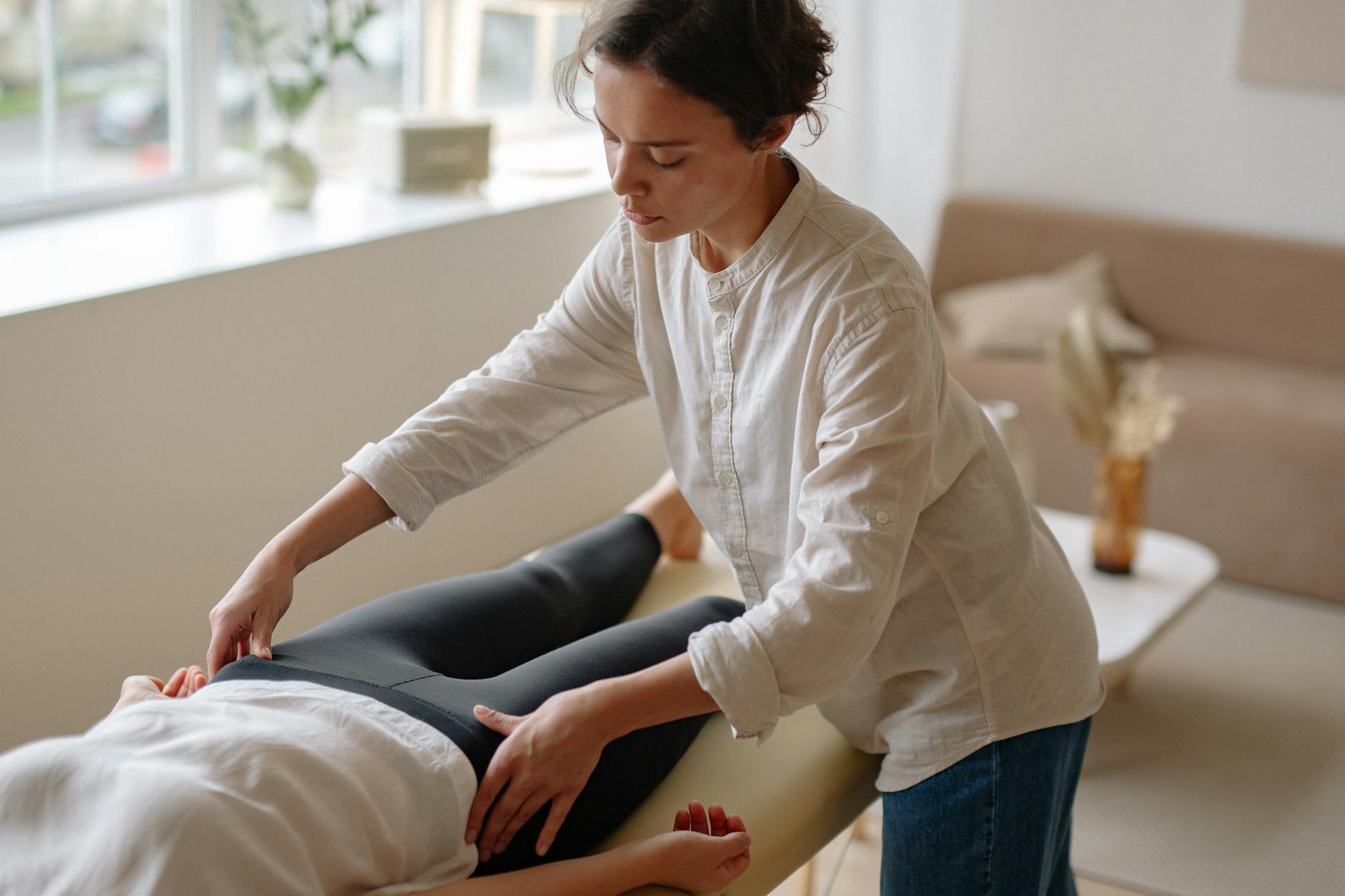
Regain Your Life: Essential Physiotherapy After a Total Hip Replacement
A total hip replacement (THR) is a transformative intervention for many people suffering from severe pain and severe limitation due to osteoarthritis or other conditions. However, surgery is just the beginning of the journey. The key to fully regaining mobility and quality of life lies in a rigorous and personalized physiotherapy program.
First Steps: Immediate Post-Surgery Physiotherapy
Rehabilitation begins almost immediately in the hospital, within a few hours or the day after surgery. The initial goal is to control pain, prevent complications such as deep vein thrombosis, and begin early mobilization. Under the supervision of your physiotherapist, you will be taught gentle ankle flexion and extension exercises to improve circulation, isometric contractions of the thigh and buttock muscles, and controlled hip movements. You will also learn safe techniques for getting out of bed, sitting down, and standing up, often with the aid of a walker or crutches. Education on hip precautions, fundamental for preventing dislocation, is paramount from this moment.
Consolidating Recovery: Exercises and Gradual Progress
Once at home, the recovery phase intensifies and focuses on fully restoring strength, range of motion, and functionality. Your physiotherapy program, adapted to your individual progress and the type of surgical approach, will include a combination of:
- Range of Motion (ROM) Exercises: Controlled movements of flexion, extension, abduction, and external/internal rotation, always within safe limits.
- Muscle Strengthening: Exercises to strengthen key muscles around the hip (glutes, quadriceps, hamstrings) and core, essential for stability. Elastic bands, light weights, or your own body weight will be used.
- Gait Retraining: Progressive work to improve walking pattern, reduce the use of assistive devices, and regain a symmetrical and fluid stride.
- Balance and Proprioception: Exercises to improve balance and body awareness, crucial for preventing falls.
Consistency and correct execution of exercises are fundamental to ensure optimal recovery and prevent future complications. Your physiotherapist will guide you every step of the way, adjusting intensity and difficulty as you progress.
Prevention and Daily Life Tips
In addition to exercises, physiotherapy will provide you with tools and knowledge to adapt your environment and habits:
- Hip Precautions: Depending on the surgical approach (posterior, anterior, or lateral), you will be advised on specific movements to avoid to prevent dislocation. Generally, this includes avoiding excessive hip flexion beyond 90 degrees, adduction (crossing legs), and forced internal rotation.
- Home Adaptation: Tips for making your home safer, such as removing loose rugs, using grab bars in the bathroom, and raising seats (toilet, chairs).
- Daily Activities: You will learn to perform daily tasks such as dressing, showering, or climbing stairs safely.
- Long-Term Maintenance: Once formal physiotherapy is complete, it is vital to maintain an active lifestyle and continue with a home exercise program to preserve the strength and mobility achieved. Low-impact activities such as swimming, walking, or gentle cycling are excellent options.
Complete recovery from a total hip replacement is a gradual process that requires patience, dedication, and an active commitment to your physiotherapy program. Trust the process and the guidance of your physiotherapist to once again enjoy a life without pain and with full mobility.