

Reclaim Your Mobility: The Definitive Rehabilitation Guide for Total Knee Replacement
June 9, 2026 · 3 min read
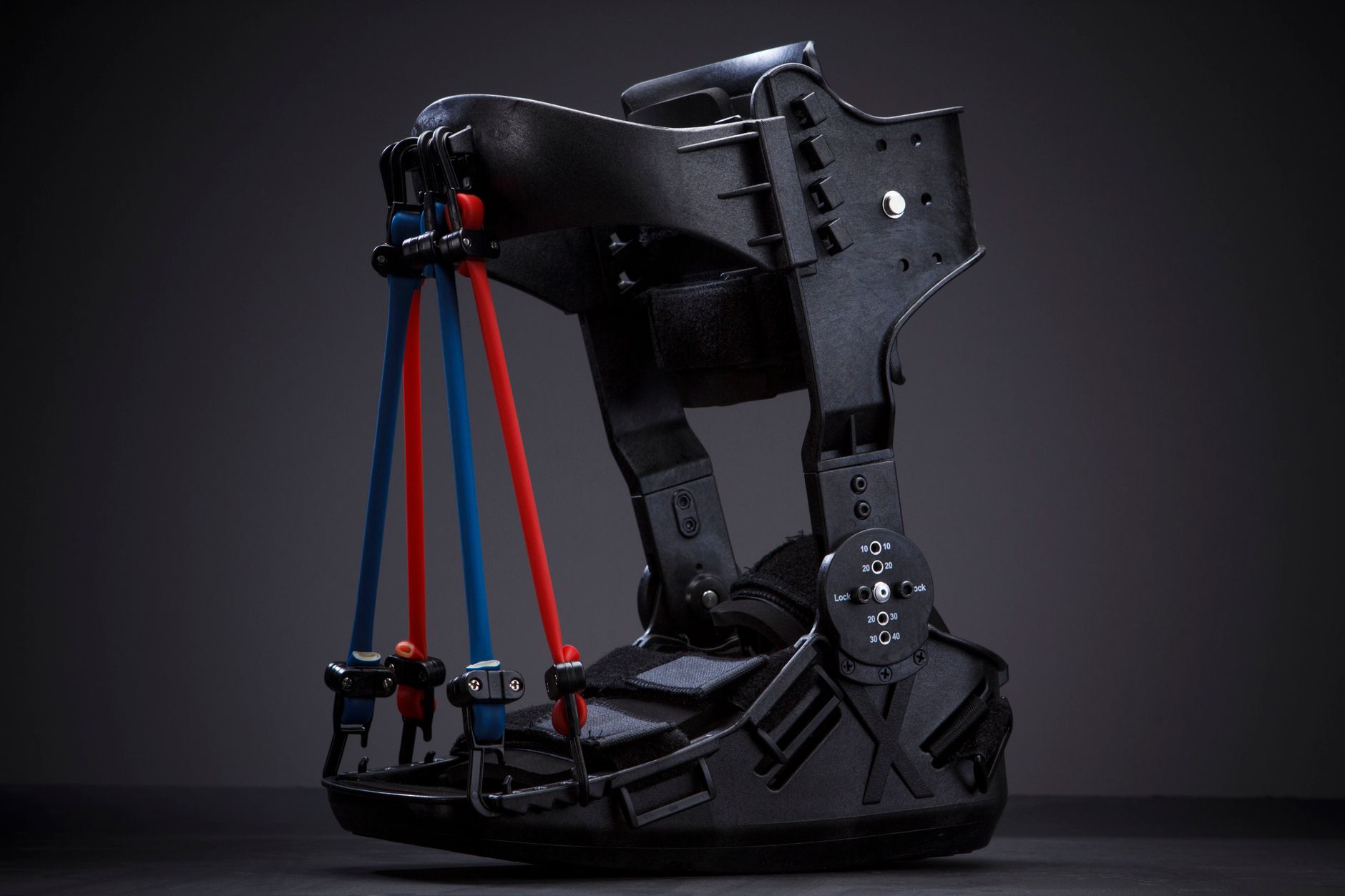
Reclaim Your Mobility: The Definitive Rehabilitation Guide for Total Knee Replacement
Total knee replacement surgery is a transformative procedure that alleviates pain and restores function for many people suffering from severe osteoarthritis or other degenerative conditions. However, the operation is just the beginning. Diligent and structured postoperative rehabilitation is the fundamental key to ensuring long-term success, regaining your mobility and quality of life. As a physiotherapist, my goal is to guide you on this essential journey.
The First Steps: Hospital Phase and Immediate Post-Discharge
Rehabilitation begins almost immediately after surgery, often within the first 24 hours. The initial goals are to control pain and inflammation, prevent complications such as deep vein thrombosis (DVT), and restore a basic range of motion. From day one, you will be encouraged to perform gentle exercises such as ankle pumps to improve circulation and isometric quadriceps contractions to maintain muscle strength. Under supervision, you will also begin to mobilize your knee with gentle flexion and extension, and stand and walk with the aid of a walker or crutches. It is crucial to follow instructions regarding weight-bearing and the use of assistive devices, as these vary depending on the surgeon and the type of prosthesis. Patience and adherence to this initial plan are vital.
Strengthening the Foundation: Intermediate Phase (Weeks 3-12)
As pain subsides and range of motion improves, rehabilitation focuses on strengthening the muscles around the knee and hip, improving balance, and increasing functional independence. During this phase, which can last 6 to 12 weeks or more, your physiotherapy program will include progressive exercises. Expect to work with resistance exercises, such as knee extensions with an elastic band, hamstring curls, leg raises, and partial wall squats. Activities to improve balance, coordination, and gait will also be introduced, progressively reducing the need for canes or walkers. The goal is greater independence in daily activities, such as climbing stairs and getting up from a chair without difficulty.
Optimizing Function: Advanced Phase and Return to Activity (Beyond 3 Months)
Once a good foundation of strength and mobility is achieved, the advanced phase of rehabilitation aims to optimize your functional capacity and prepare you for a return to more demanding and meaningful activities for you. This may include higher-impact exercises (if approved by your surgeon), specific training for sports or hobbies (such as golf, swimming, hiking), and activities that improve cardiovascular and muscular endurance. Treadmill walking, using a stationary bike, performing more complex balance exercises, and functional activities that mimic the demands of your daily life will be part of your routine. Commitment to a long-term home exercise program is essential to maintain results, protect your new knee, and prevent future complications. Remember that full recovery is a marathon, not a sprint, and continuous improvement is possible for a year or more.
Rehabilitation after a total knee replacement is a challenging but incredibly rewarding journey. With the expert guidance of your physiotherapist, your constant dedication, and a positive attitude, you will be able to regain much of your mobility and enjoy an active and fulfilling life. Listen to your body, follow professional guidelines, and celebrate every small step forward on your path to full recovery. Your new knee is waiting for you.