

Recovering Feeling: A Physiotherapy Guide for Peripheral Neuropathy
May 2, 2026 · 3 min read
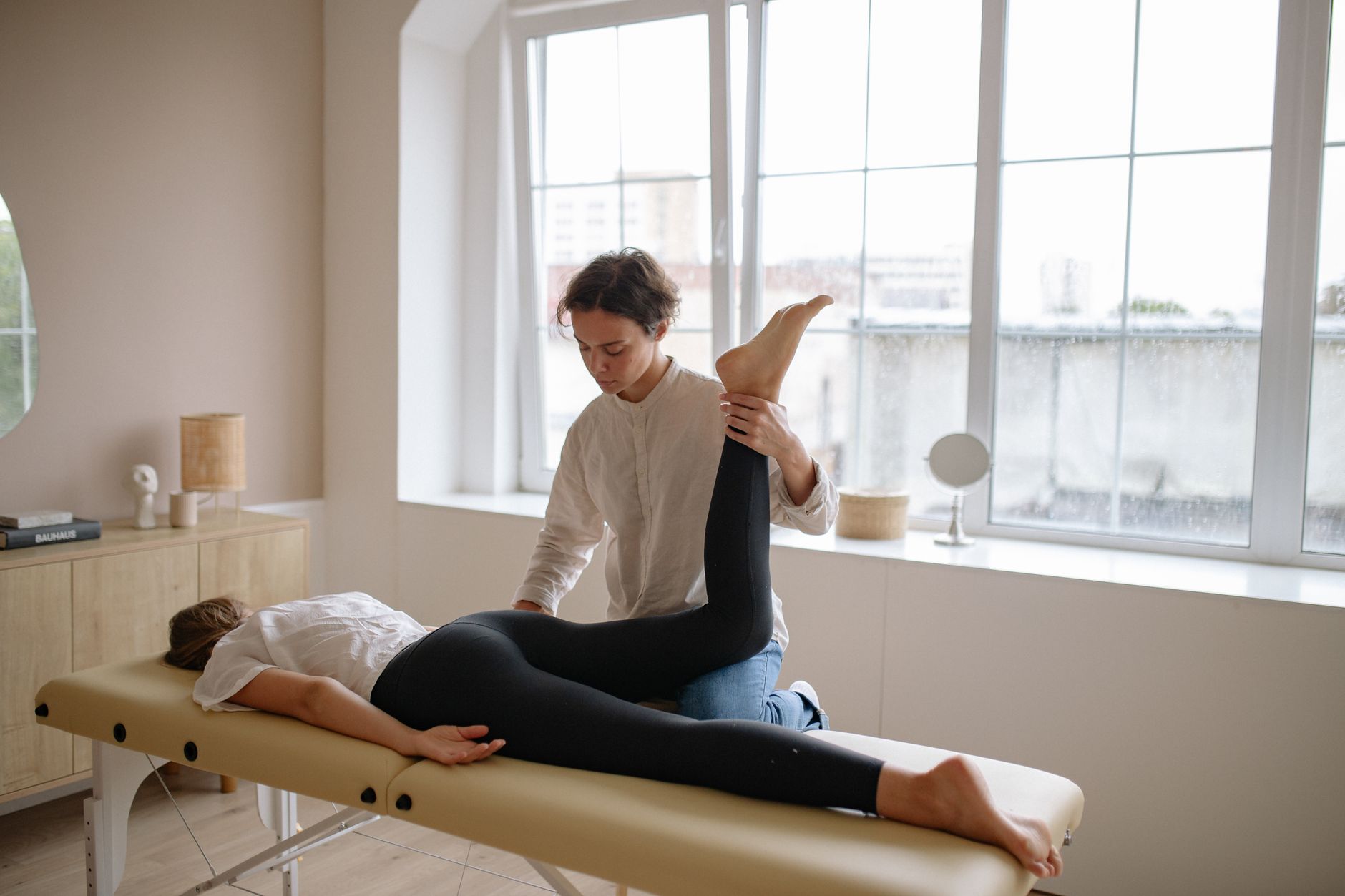
Recovering Feeling: A Physiotherapy Guide for Peripheral Neuropathy
Peripheral neuropathy, damage to the peripheral nerves, can manifest in various ways, from numbness and tingling to intense pain and loss of sensation. It affects the quality of life for millions of people, limiting mobility and the ability to perform daily activities. As a physiotherapist, I understand the frustration and impact this condition can have. However, with an appropriate approach and a personalized rehabilitation program, it’s possible to significantly improve symptoms and regain functionality. This article will guide you through exercises and physiotherapy strategies that can help you manage peripheral neuropathy.
Understanding Peripheral Neuropathy and Its Impact
Peripheral neuropathy can be caused by a wide range of factors, including diabetes, autoimmune diseases, infections, exposure to toxins, injuries, and vitamin deficiencies. Damage to the peripheral nerves interrupts the transmission of electrical signals, leading to the characteristic symptoms. It’s crucial to identify the underlying cause for more effective treatment, although physiotherapy can help alleviate symptoms regardless of the cause. Physiotherapy focuses on improving circulation, strengthening muscles, promoting nerve function, and reducing pain.
Exercises to Improve Circulation and Nerve Function
Good circulation is fundamental for nerve recovery. We’ll start with gentle mobility exercises that don’t put pressure on affected nerves.
- Gentle Finger and Hand Mobilizations: Perform circular movements with your fingers, stretch and flex your hands, and perform “squeezing and releasing” movements with your palms.
- Wrist Stretches: Slowly extend and flex your wrist, holding each position for a few seconds.
- Ankle Exercises: Perform circles with your ankles, pointing upwards and downwards, and stretch your toes.
- Gentle Massage: A gentle massage in the affected areas can help improve circulation and reduce muscle tension. It’s important that the massage is performed by a qualified professional.
Muscle Strengthening and Functional Adaptation
Muscle weakness is a common problem in peripheral neuropathy. Muscle strengthening helps compensate for the loss of sensation and improve joint stability.
- Isometric Exercises: Contract muscles without moving the joint. This helps maintain muscle strength without irritating the nerves.
- Resistance Exercises with Elastic Bands: Use elastic bands to strengthen the muscles of your arms, hands, and legs.
- Adaptation of Daily Activities: We’ll work on modifying daily activities to minimize stress on the nerves. For example, adjusting chair height, using adapted utensils, or learning techniques for lifting objects safely.
Physiotherapy Strategies for Pain Control
Pain is an important symptom of peripheral neuropathy and can make it difficult to participate in rehabilitation.
- Manual Therapy: Techniques of joint mobilization and gentle manipulation can help reduce muscle tension and improve mobility.
- Electrotherapy: Transcutaneous Electrical Nerve Stimulation (TENS) can help block pain signals.
- Patient Education: We will provide you with information on how to manage pain at home, including relaxation techniques, sleep hygiene, and lifestyle modifications.
- Behavioral Pain Control: We will teach you strategies to cope with pain, such as deep breathing and visualization.
Conclusion
Peripheral neuropathy can be challenging, but with a well-designed physiotherapy program and a positive attitude, it’s possible to significantly improve quality of life. Physiotherapy isn’t just focused on alleviating symptoms, but also on strengthening muscles, improving nerve function, and adapting daily activities. Remember that consistency and patience are key to success. Consult a qualified physiotherapist to obtain a personalized treatment plan that suits your individual needs.