

Recover Movement and Quality of Life: Therapeutic Exercise and Manual Therapy in Rheumatoid Arthritis
March 26, 2026 · 3 min read
Recover Movement and Quality of Life: Therapeutic Exercise and Manual Therapy in Rheumatoid Arthritis
Rheumatoid arthritis (RA) is a chronic autoimmune disease that causes inflammation in the joints, leading to pain, stiffness, and, over time, joint damage. While there is no definitive cure, appropriate management, including therapeutic exercise and manual therapy, can help control symptoms, improve joint function, and, most importantly, significantly improve the quality of life for people living with RA. In this article, we’ll explore how these two key tools can make a difference on your journey to well-being.
Understanding Rheumatoid Arthritis and its Impact
RA is not simply “joint pain.” It’s a complex disease that affects multiple systems of the body, including the immune system. Chronic inflammation can lead to damage to surrounding tissues, such as ligaments and cartilage, resulting in long-term joint deformity. It’s crucial to understand that each person with RA experiences the disease differently, so an individualized approach is essential. The goal of treatment is not just to relieve pain, but also to prevent the progression of the disease and maintain functional independence.
The Power of Therapeutic Exercise: Conscious and Controlled Movement
Therapeutic exercise, guided by a physiotherapist, is a cornerstone in the management of RA. It’s not about forcing the body to do more than it can, but rather a carefully designed program to strengthen the muscles surrounding affected joints, improve flexibility, and reduce stiffness. Some common exercises include:
- Range of Motion (ROM) Exercises: Gentle, controlled movements to maintain joint flexibility.
- Strengthening Exercises: Using resistance bands, light weights, or bodyweight to strengthen muscles.
- Low-Impact Exercises: Walking, swimming, stationary cycling, gentle yoga, which minimize stress on the joints.
- Balance Exercises: Improve stability and prevent falls.
It’s essential to start slowly and gradually increase the intensity and duration of exercises, always under the supervision of a professional.
Manual Therapy: Releasing Mobility and Reducing Inflammation
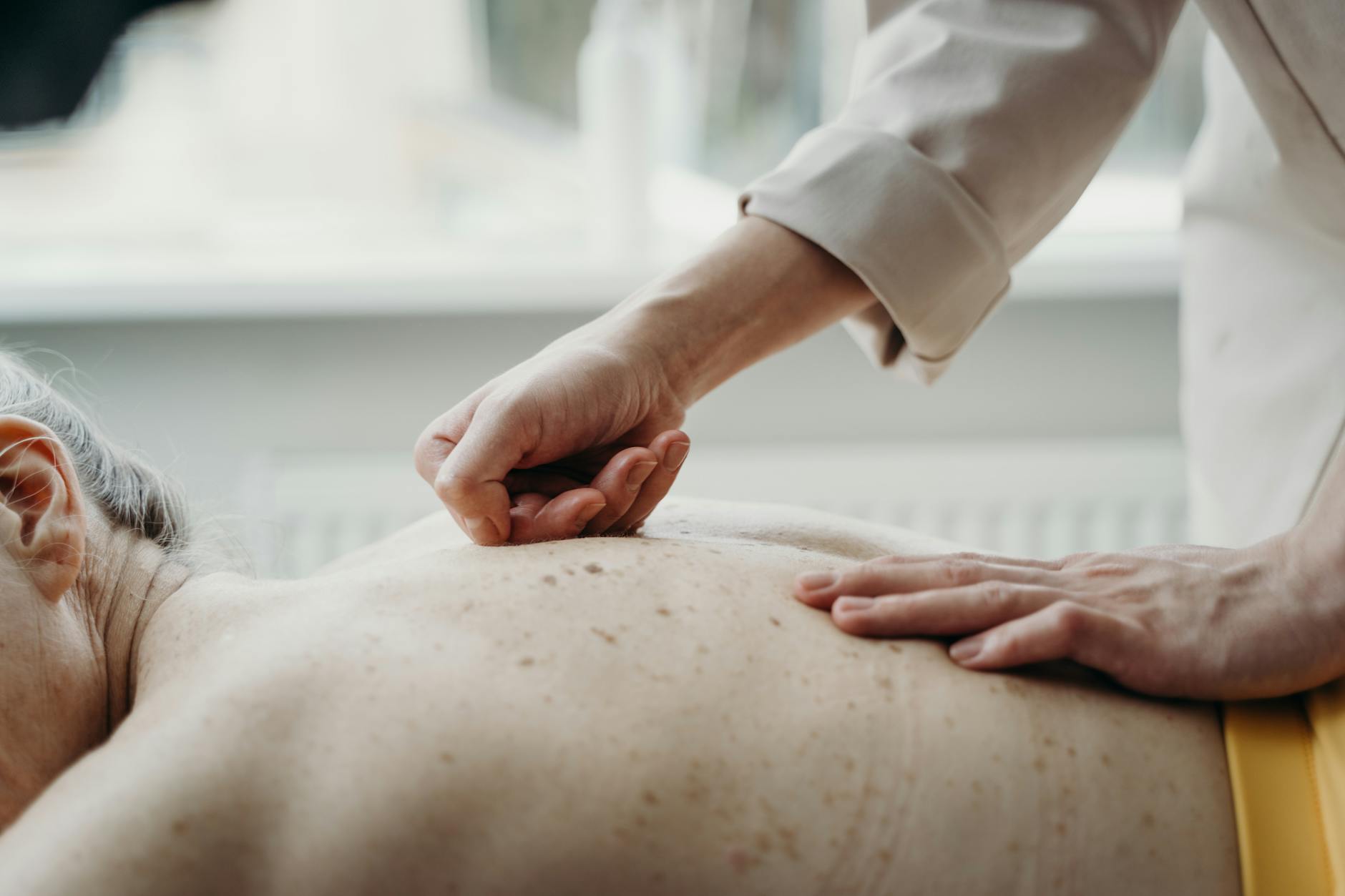
Manual therapy, applied by a physiotherapist, focuses on gentle, specific techniques to address joint stiffness, improve mobility, and reduce muscle tension. Some common techniques include:
- Therapeutic Massage: Relieves muscle tension, improves circulation, and reduces pain.
- Joint Mobilization: Gentle techniques to restore normal joint movement.
- Myofascial Release: Techniques to release restrictions in soft tissues that may be contributing to pain and stiffness.
- Stretching: Gentle, controlled stretches to improve flexibility and reduce stiffness.
These techniques not only alleviate symptoms but can also help reduce inflammation and improve joint function in the long term.
Integration and Adaptation: A Personalized Approach
The key to success in managing RA is the integration of both approaches: therapeutic exercise and manual therapy. An experienced physiotherapist will work with you to develop an individualized treatment plan that is tailored to your needs, pain level, and functional capacity. It’s important to be honest with your physiotherapist about your limitations and communicate any changes in your symptoms. Open communication and ongoing adaptation of the treatment plan are essential to achieve the best results.
Conclusion:
Rheumatoid arthritis can be challenging, but with a proactive approach and an appropriate treatment plan, you can regain control of your health and improve your quality of life. Therapeutic exercise and manual therapy, when applied intelligently and personalized, are powerful tools for relieving pain, improving mobility, and preventing disease progression. Don’t hesitate to seek the help of a physiotherapist to begin your journey to well-being!