

Parkinson and Physiotherapy: A Path Towards a Better Quality of Life
July 25, 2026 · 3 min read
Parkinson and Physiotherapy: A Path Towards a Better Quality of Life
Parkinson's Disease is a progressive neurodegenerative disorder affecting millions worldwide, primarily manifesting through movement problems. Although there is currently no cure, proper management is essential to slow its progression and, above all, significantly improve quality of life. This is where physiotherapy emerges as an indispensable pillar in the comprehensive approach to this complex disease.
Understanding the Impact of Parkinson's and Early Intervention
Parkinson's is characterized by the loss of dopaminergic neurons in the brain, leading to cardinal motor symptoms such as resting tremor, muscle rigidity, bradykinesia (slowness of movement), and postural instability. These symptoms not only make daily activities like walking, dressing, or eating difficult, but can also generate a profound emotional and social impact. Early physiotherapeutic intervention is crucial. It's not just about responding to existing symptoms, but about acting proactively to maintain function, prevent complications, and educate the patient and their environment about strategies to manage the disease from its initial stages.
Key Physiotherapeutic Strategies for Optimal Movement
A physiotherapy program for Parkinson's is always personalized, adapting to the needs and stage of each individual. However, there are fundamental pillars that aim to address the specific motor challenges of the disease:
- Gait and Balance Training: Through specific exercises, we work to improve stride length, speed, rhythm, and safety when walking, often using external cues (visual or auditory) to overcome freezing of gait. Balance training is vital to reduce the risk of falls, one of the biggest concerns.
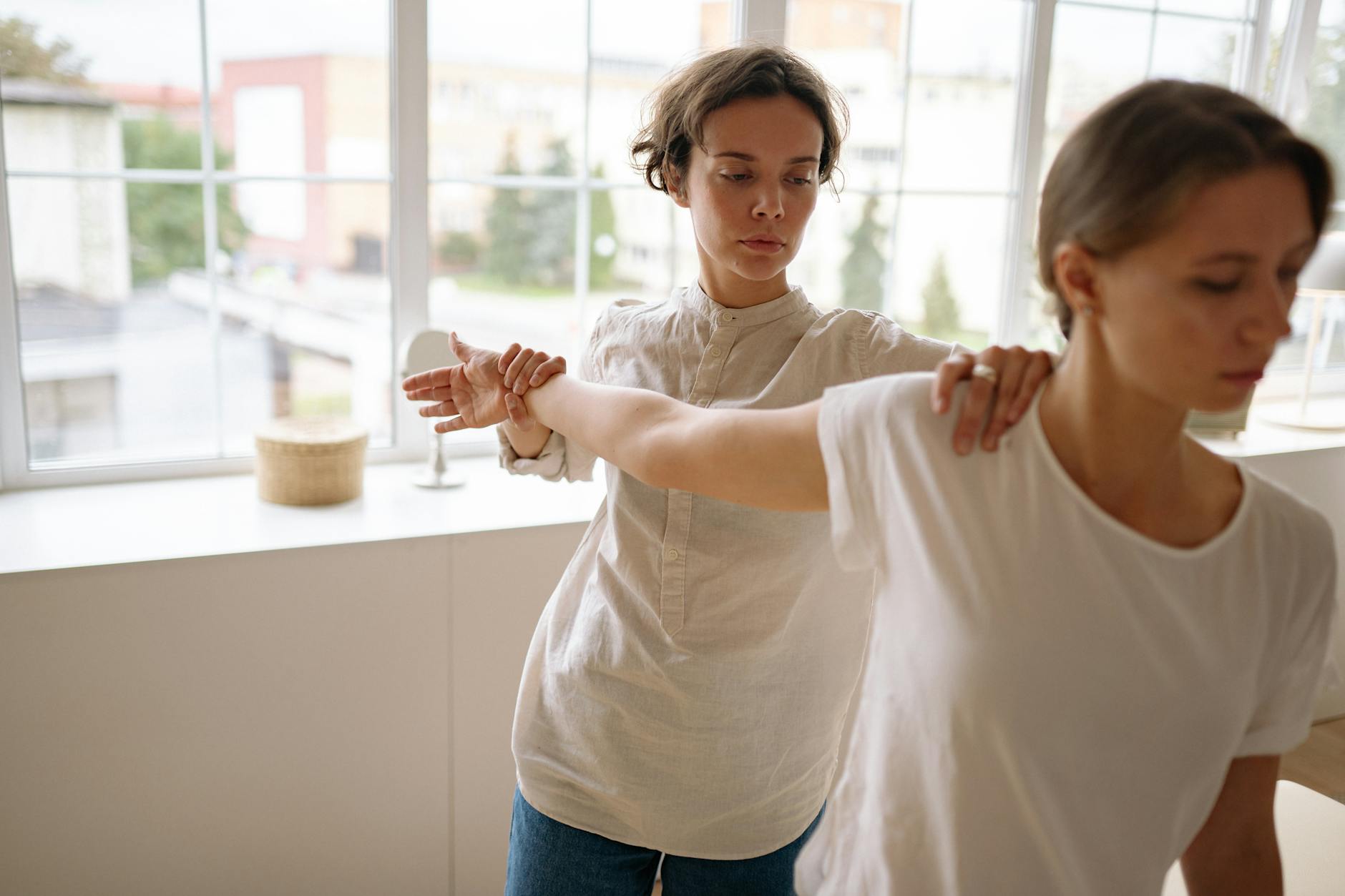
- Mobility and Flexibility: Through active and passive stretches and mobilizations, we combat muscle rigidity that limits range of motion, alleviating pain and facilitating daily activities.
- Muscle Strengthening: Strengthening key muscle groups helps counteract weakness, improve posture, and provide greater support and stability to the body.
- Aerobic Exercise and Coordination: Activities like walking, swimming, or dancing not only benefit cardiovascular health but also improve coordination, agility, and overall mood, reducing non-motor symptoms such as fatigue and depression.
Benefits Beyond Movement: Improving Quality of Life
The impact of physiotherapy goes far beyond purely physical improvement. By empowering patients to move with greater ease and safety, tangible benefits are achieved that transform their daily lives:
- Greater Independence: The ability to perform daily tasks autonomously restores a sense of control and dignity.
- Reduced Risk of Falls: A critical aspect that increases confidence and decreases the fear of movement.
- Pain and Rigidity Management: Alleviating chronic discomfort associated with the disease.
- Improved Sleep: Regular exercise and reduced nocturnal rigidity contribute to more restorative rest.
- Positive Impact on Mood: Physical activity is a natural antidepressant and encourages social participation, combating isolation.
- Maintenance of Respiratory Function: Specific exercises can help prevent respiratory problems stemming from trunk rigidity.
In summary, physiotherapy is not just a part of Parkinson's treatment; it is an essential tool to empower patients. It allows for maintaining functionality, improving autonomy, and ultimately, living a fuller and more active life despite the challenges of the disease. Investing in physiotherapy is investing in well-being and hope.