

Neurorehabilitation: A New Horizon in Recovery After Stroke
March 24, 2026 · 3 min read
Neurorehabilitation: A New Horizon in Recovery After Stroke
Stroke, or cerebrovascular accident, is a leading cause of disability worldwide. Fortunately, advances in neurorehabilitation have radically transformed the way we approach the recovery of patients who have suffered a stroke, offering hope for significant improvements in quality of life and functionality. This article will explore the latest advancements in this field, highlighting the most effective strategies and the crucial role of the physiotherapist in the recovery process.
Neurorehabilitation: Beyond Traditional Therapy
Traditionally, rehabilitation after a stroke focused primarily on mobility and strength exercises. While these remain important, modern neurorehabilitation goes far beyond this. It’s based on the understanding that the brain has an astonishing capacity to adapt and reorganize after injury. The primary goal is to stimulate neuroplasticity – the brain’s ability to form new neural connections and compensate for damaged areas. This involves an individualized and multidisciplinary approach, combining physical therapy, occupational therapy, speech therapy, psychological therapy, and, in many cases, neuropsychological therapy.
Innovative Techniques in Physiotherapy
Physiotherapy plays a central role in neurorehabilitation post-stroke. In recent years, innovative techniques have been incorporated to maximize the effectiveness of therapy:
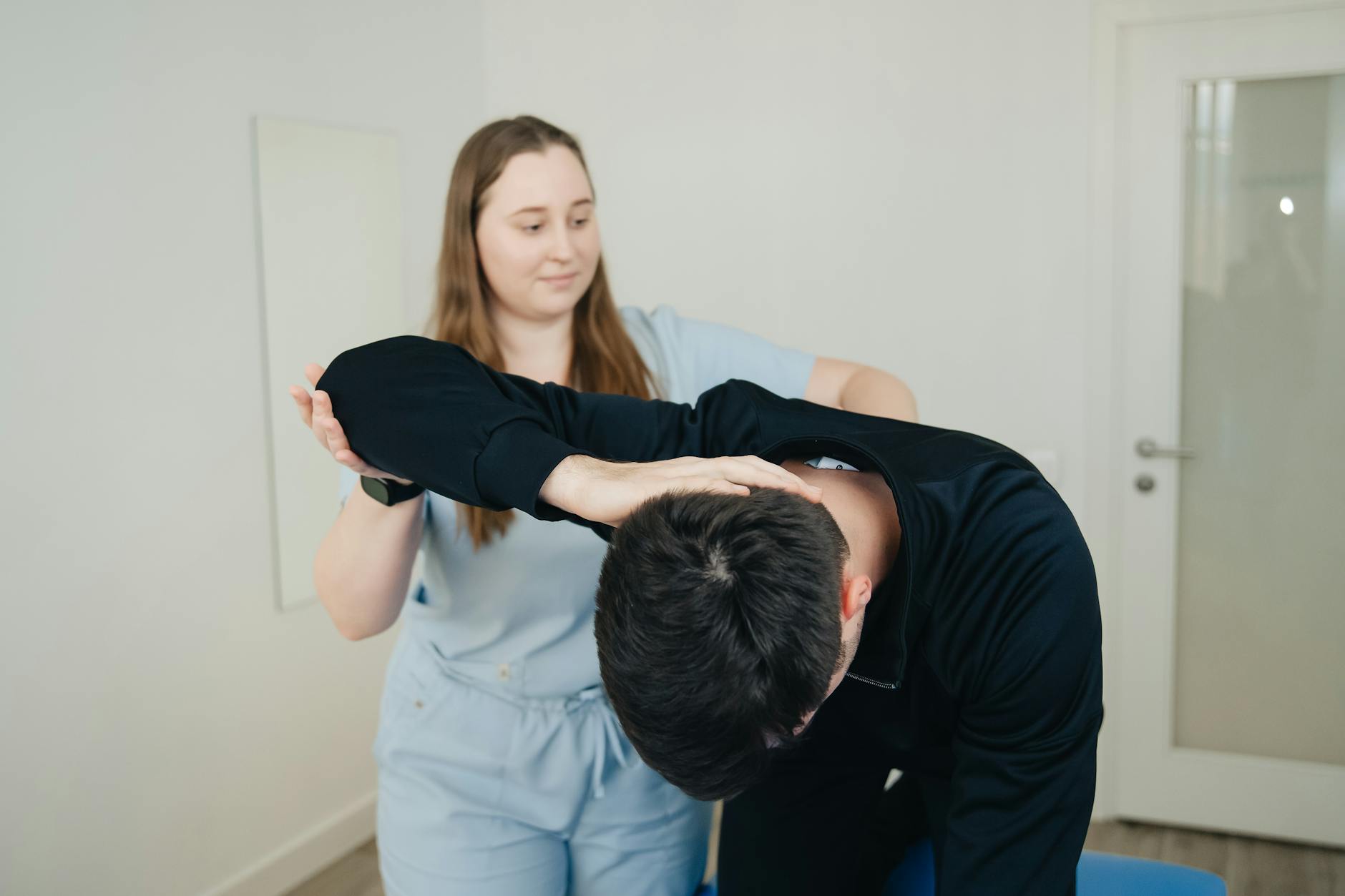
- Assisted Mobilization Therapy: Using manipulation and gentle mobilization techniques, the physiotherapist helps restore joint movement and reduce muscle stiffness, facilitating participation in other exercises.
- Sensory Stimulation: Sensory stimuli, including tactile, visual, and auditory stimulation, are employed to reactivate sensory pathways and improve body and environmental perception. This may include the use of textures, vibrations, or even virtual reality.
- Proprioception Therapy: Work is done on body awareness in space, improving balance and coordination. Specific exercises, such as using unstable platforms, help strengthen stabilizing muscles and improve motor control.
- Functional Exercises: These focus on daily living activities, such as dressing, eating, walking, or climbing stairs, to help the patient regain autonomy and independence.
The Importance of Early and Continued Intervention
The therapeutic window after a stroke is crucial. The sooner rehabilitation begins, the greater the chances of recovery. However, neurorehabilitation is not a linear process; it requires a long-term commitment and continuous intervention. It’s essential that the patient and their family actively participate in the process, following the instructions of the therapeutic team and maintaining motivation. Adherence to the rehabilitation program is a key determinant of treatment success.
Neurofeedback and New Technologies
Neurofeedback is a technique that allows the patient to learn to control their brain activity through real-time feedback. It is used to improve motor function, attention, and concentration. Furthermore, new technologies, such as virtual reality and therapeutic video games, are increasingly being used to make rehabilitation more engaging and motivating, and to provide more specific and personalized training.
Conclusion
Neurorehabilitation has evolved significantly, offering stroke survivors the opportunity to regain greater functionality and quality of life. The combination of innovative techniques, early and continued intervention, and the commitment of the patient and their family are key to achieving optimal results. The physiotherapist, as an essential member of the multidisciplinary team, plays a fundamental role in this process, guiding the patient towards full and sustainable recovery.