

Peripheral Neuropathy: Your Ally in Movement and Well-being with Physiotherapy
July 29, 2026 · 3 min read
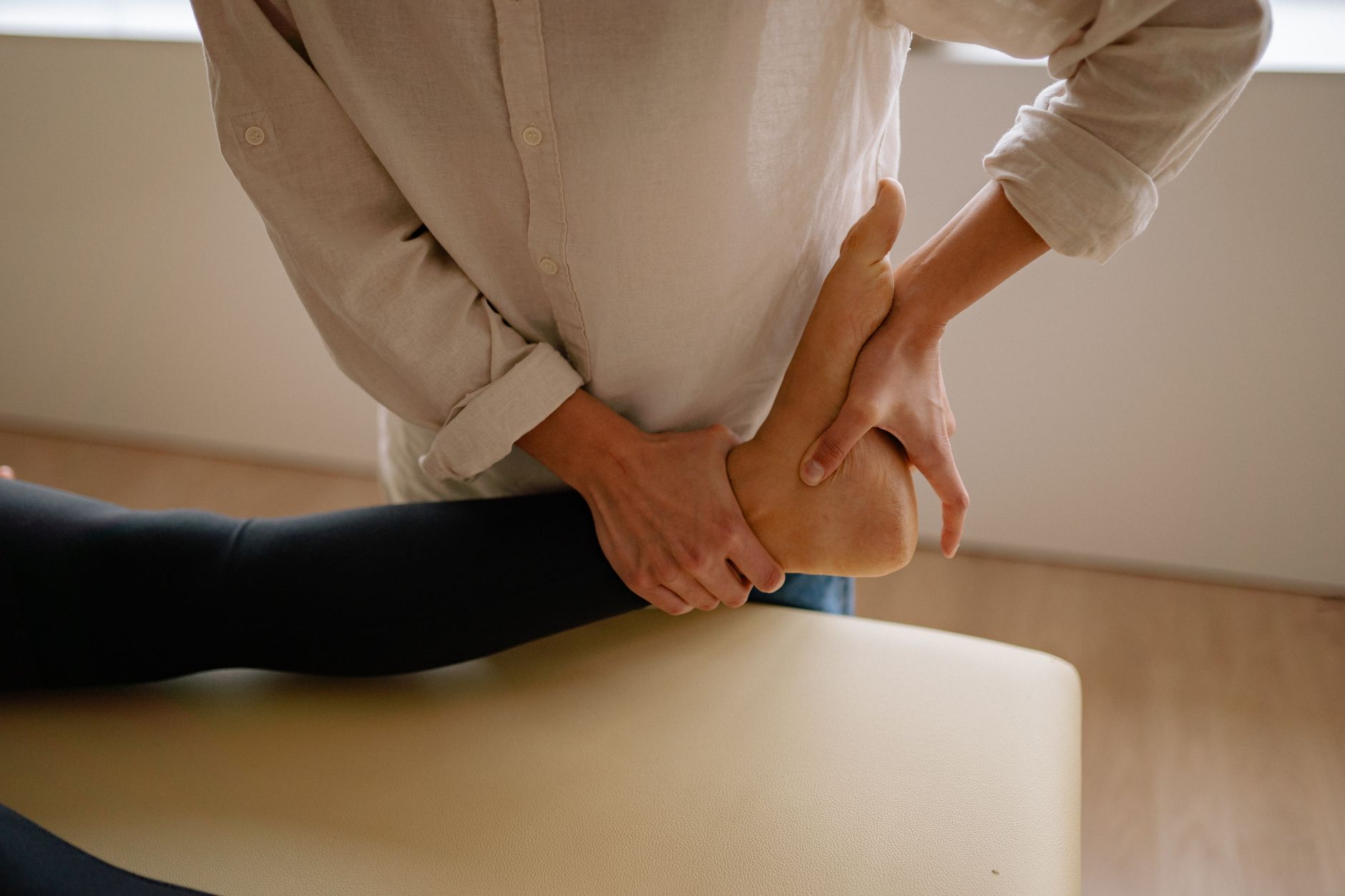
Peripheral Neuropathy: Your Ally in Movement and Well-being with Physiotherapy
Peripheral neuropathy is a complex condition that arises from damage to nerves outside the brain and spinal cord. It can manifest with symptoms such as pain, numbness, tingling, muscle weakness, or balance problems, significantly impacting quality of life. Fortunately, physiotherapy stands as a fundamental pillar in the management of this condition, offering strategies and exercises designed to alleviate symptoms, improve function, and enhance your well-being.
Exercises to Strengthen and Maintain Function
Muscle weakness is a common symptom in peripheral neuropathy, which can make daily activities difficult and increase the risk of atrophy. An adapted strengthening program is crucial. We focus on low-impact exercises using body weight, resistance bands, or light weights, to strengthen weakened muscles without overstressing the nerves. This includes exercises for legs (heel raises, assisted squats), arms (wall push-ups), and the trunk, always progressing gradually and under the supervision of a professional. The goal is to improve strength, endurance, and functional capacity so you can perform your daily activities with greater ease and safety.
Improving Balance and Preventing Falls
Loss of sensation in the feet, muscle weakness, and impaired proprioception (the ability to perceive body position) significantly increase the risk of falls in people with peripheral neuropathy. Physiotherapy addresses this challenge with specific balance exercises. This may include standing with feet together, heel-to-toe walking, using balance cushions or unstable platforms (if appropriate), and core strengthening exercises that improve overall stability. Additionally, we train proprioception through activities that require body awareness, such as weight transfers and coordination exercises, helping your nervous system recalibrate and improve sensory information.
Flexibility and Nerve Mobilization for Relief
Neuropathy can lead to stiffness and limit joint range of motion, as well as causing irritation in the nerves themselves. Gentle and regular stretches are vital for maintaining muscle and joint flexibility, preventing contractures and improving circulation. Beyond traditional stretches, physiotherapy incorporates nerve mobilization or neurodynamic techniques. These exercises are designed to improve the nerve's ability to slide freely within its sheaths, reducing irritation and improving its overall health. For example, a sciatic nerve "glide" might involve gentle ankle and knee movements in a specific sequence, always performed with caution and under expert guidance to avoid symptom exacerbation.
Sensory Strategies and Pain Management
Neuropathic pain and hypersensitivity or numbness can be debilitating. Physiotherapy offers various strategies to address these sensations. Desensitization techniques, such as gently rubbing the skin with different textures (silk, cotton, towel), can help "re-educate" the nervous system and reduce hypersensitivity or improve sensory perception. Gentle manual therapy, including massage, can relieve muscle tension associated with pain and improve blood flow. Additionally, we can explore modalities like TENS (Transcutaneous Electrical Nerve Stimulation) as a tool to modulate pain, always adapting the approach to the individual needs of the patient.
Peripheral neuropathy doesn't have to limit your life. With a personalized physiotherapy program and commitment, you can regain function, alleviate pain, and significantly improve your quality of life. Don't hesitate to consult an expert physiotherapist to design a plan tailored to your needs.