

Beyond Childbirth: Your Step-by-Step Recovery from Pelvic Floor Dysfunction
July 7, 2026 · 4 min read
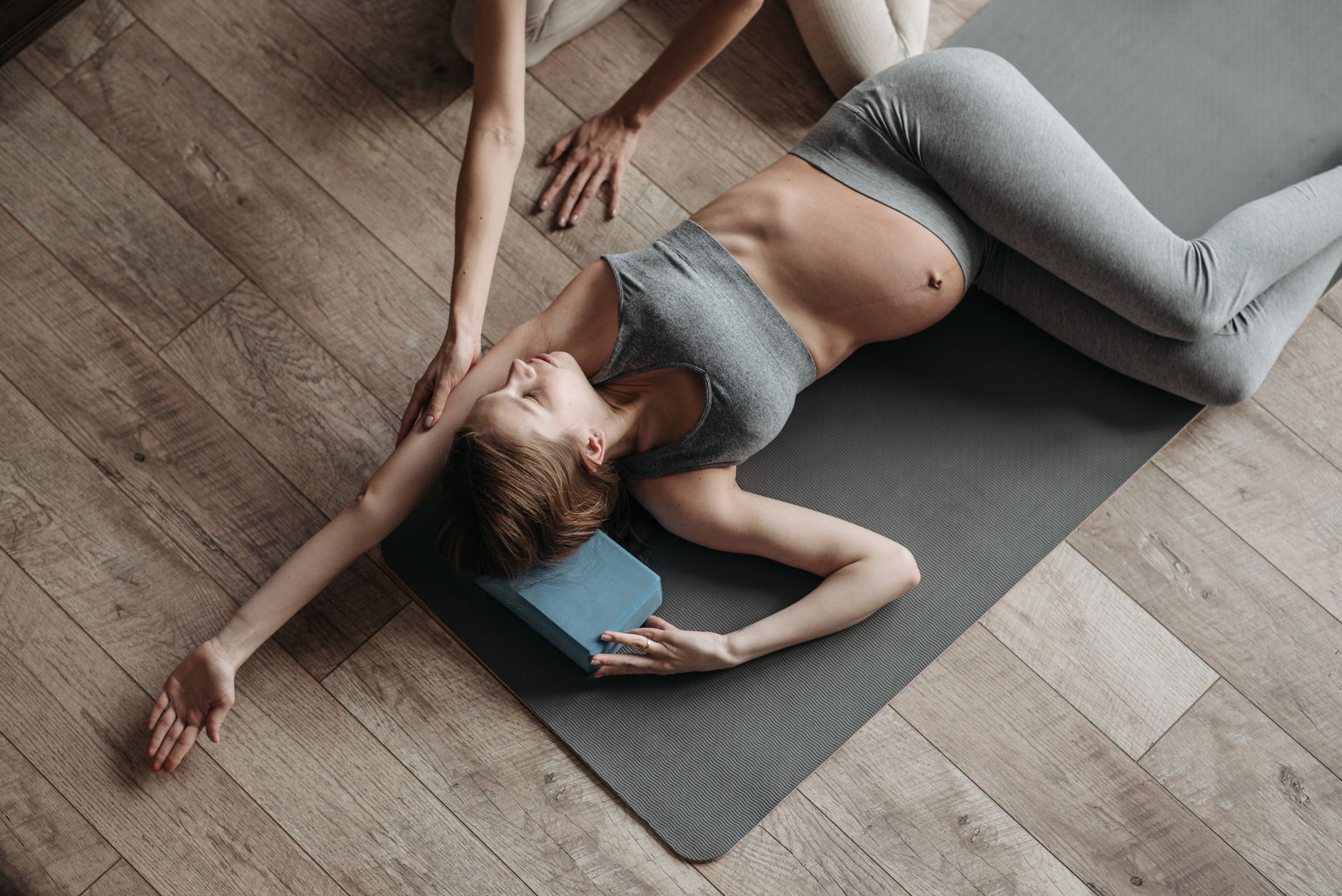
Beyond Childbirth: Your Step-by-Step Recovery from Pelvic Floor Dysfunction
The miracle of giving life is a transformative experience, but often, a woman's body undergoes significant changes. One of the most common, and unfortunately rarely discussed, is postpartum pelvic floor dysfunction. As an expert physiotherapist, I want to offer you a clear and empathetic guide to understanding and recovering your well-being, step by step.
Understanding Postpartum Pelvic Floor Dysfunction: What It Is and How It Manifests?
The pelvic floor is a set of muscles and ligaments that close off the bottom of the pelvis, supporting organs such as the bladder, uterus, and rectum. During pregnancy and childbirth, these muscles can weaken, stretch, or suffer injury. This can manifest in various ways:
- Urinary or Fecal Incontinence: Involuntary leaks when coughing, laughing, sneezing, or straining.
- Pelvic Organ Prolapse: A feeling of heaviness or a bulge in the vagina, caused by the descent of the bladder, uterus, or rectum.
- Chronic Pelvic Pain or Dyspareunia: Pain during sexual intercourse.
- Difficulty completely emptying the bladder or bowel.
It is crucial to understand that while these symptoms are common, they are not "normal" nor should they be accepted as an inevitable part of motherhood. With appropriate intervention, recovery is possible.
The First Step: Professional and Personalized Assessment
Before starting any exercise or treatment, the key is a thorough assessment by a pelvic floor physiotherapist. Don't settle for generic advice or internet exercises. During the consultation:
- Detailed Medical History: We will discuss your pregnancy, type of birth, current symptoms, and goals.
- Physical Examination: A postural, respiratory, and abdominal wall assessment will be performed. Crucially, an internal and external pelvic floor examination will be conducted to assess tone, strength, resistance, muscle coordination, and the presence of scars (episiotomy, tears, or C-section scar, which also has an impact).
- Functional Diagnosis: With this information, we can identify specific dysfunctions and design a treatment plan fully tailored to your needs. Every woman and every postpartum recovery is unique.
Your Roadmap to Recovery: A Comprehensive Approach
Postpartum pelvic floor recovery is a gradual and multifactorial process. Here are the key steps of a treatment plan:
- Education and Body Awareness: You will learn about the anatomy of your pelvic floor, how posture, breathing, and daily habits (how to lift objects, go to the bathroom) influence its health. This is the foundation for any improvement.
- Manual Therapy and Tissue Release: Often, there are muscle tensions or scars (from episiotomy/tears as well as C-section) that restrict pelvic floor function. With specific manual techniques, we can improve the elasticity and mobility of these tissues.
- Pelvic Floor Muscle Re-education:
- Personalized Kegel Exercises: We will teach you how to correctly activate and relax the pelvic floor muscles, adjusting the intensity and type of contraction to your needs. It's not just about "squeezing," but about doing it effectively and coordinately.
- Biofeedback and Electro-stimulation (if necessary): These tools help you visualize your muscle activity, improving awareness and contraction strength, or stimulate very weakened muscles.
- Hypopressive Exercises: For some women, once basal tone is restored, hypopressives can be an excellent tool to improve the abdominal wall and overall pelvic floor function.
- Functional Integration and Return to Activity: As your pelvic floor strengthens, we will guide you to integrate this new strength into your daily activities, baby care, and eventually, in safely and progressively reincorporating physical exercise.
Conclusion
Postpartum pelvic floor dysfunction doesn't have to limit you. With the right guidance from an expert physiotherapist, you can regain strength, function, and confidence in your body. Be patient with yourself, be consistent, and prioritize your pelvic health. Your well-being is worth it!