

Rotator Cuff: Recover Your Shoulder Without Surgery with Conservative Treatment
July 15, 2026 · 3 min read
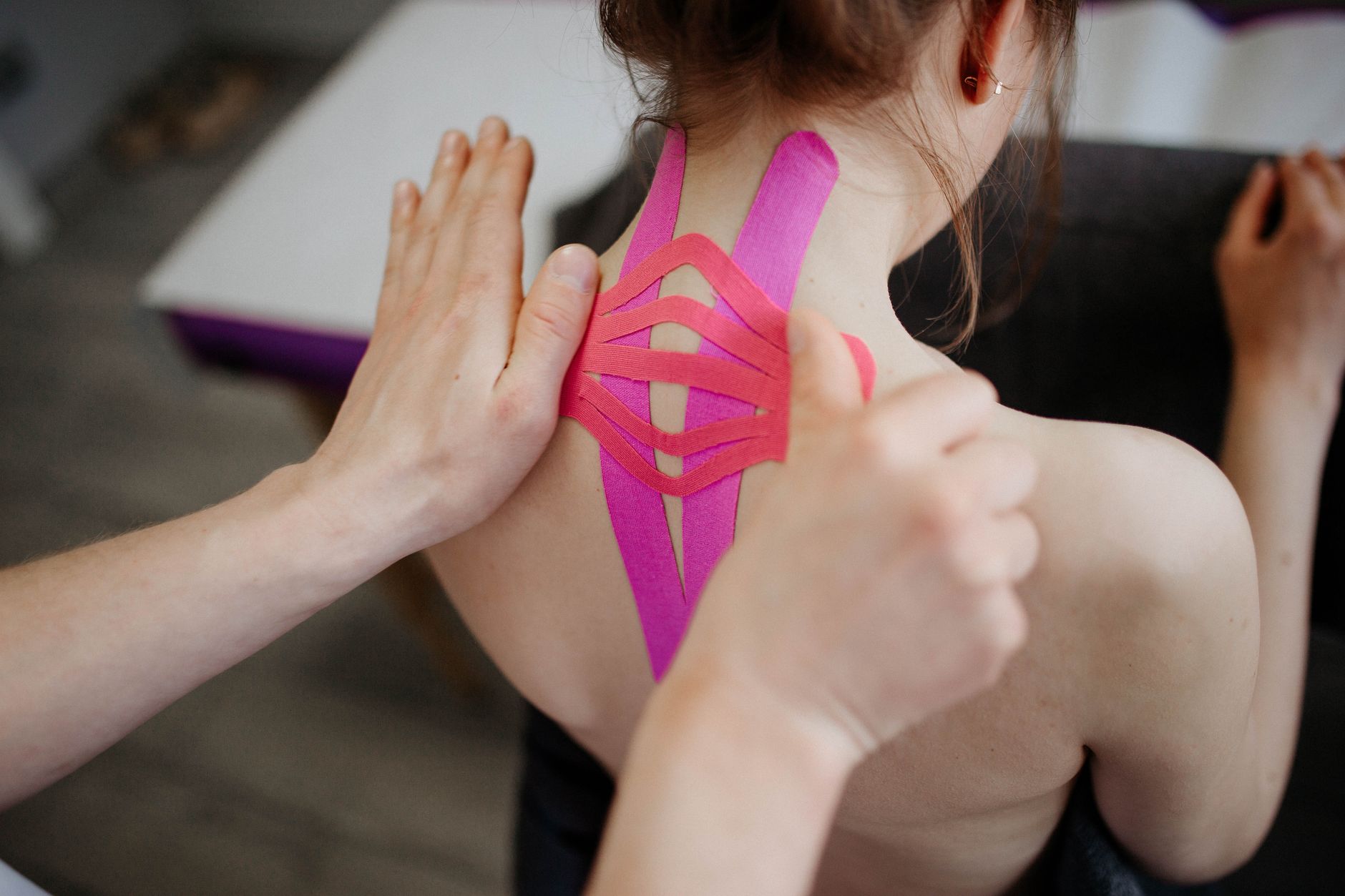
Rotator Cuff: Recover Your Shoulder Without Surgery with Conservative Treatment
Do you feel a persistent shoulder pain that limits you when lifting your arm or sleeping? It's very likely that you are experiencing rotator cuff tendinitis, an inflammation of the tendons that stabilize your shoulder. Fortunately, in the vast majority of cases, the solution does not involve surgery, but rather a conservative and well-structured approach.
First Steps to Understand and Relieve Pain
The first crucial step is to get an accurate diagnosis. As a physiotherapist, my role is to evaluate the cause of your pain, rule out other pathologies, and design a tailored plan. Rotator cuff pain is often due to overuse, repetitive movements, poor posture, or age-related degeneration. Initially, the goal is to reduce inflammation and acute pain. This often involves relative rest (avoiding activities that exacerbate pain, not total immobility), applying ice to the affected area, and, in some cases, the use of anti-inflammatory medications prescribed by your doctor. Education on how to temporarily modify your daily activities is vital to avoid perpetuating irritation and allow the tendon to begin its healing process.
Physiotherapy: Your Fundamental Ally in Recovery
Once acute pain is controlled, physiotherapy becomes the cornerstone of conservative treatment. Our approach focuses on restoring full shoulder function and preventing future relapses. This includes:
- Manual Therapy: Gentle mobilizations to improve joint range of motion and myofascial release techniques to reduce surrounding muscle tension.
- Specific Therapeutic Exercises: This is the heart of recovery. We design a progressive program that includes:
- Stretches: To regain lost flexibility and relieve stiffness.
- Strengthening: Not only of the rotator cuff muscles (supraspinatus, infraspinatus, teres minor, and subscapularis), but also of the scapular stabilizers and postural muscles, which are fundamental for optimal shoulder mechanics.
- Motor Control and Proprioception: Exercises to improve coordination and awareness of your shoulder's position in space, crucial for protecting it during movement.
- Postural Education and Ergonomics: We will teach you how to correct postural habits and adapt your work environment or sports activities to minimize stress on your shoulder.
Commitment and Patience: Keys to Lasting Success
It is essential to understand that recovering from rotator cuff tendinitis is a gradual process that requires your active commitment. Adherence to the home exercise program and the physiotherapist's recommendations is as important as the clinic sessions. Don't look for shortcuts; strengthening and muscle re-education take time. Progression must be slow and controlled to avoid relapses. Once you have regained full strength and range of motion, we will continue to work on a maintenance and prevention plan, especially if your daily or sports activities are demanding. Remember that the goal is not only to relieve pain but to equip you with the tools to keep your shoulder healthy long-term and resume your activities without limitations.
Conclusion
Rotator cuff tendinitis, although painful and limiting, responds excellently to conservative treatment. With an early diagnosis, expert physiotherapy, and your dedication, you can regain shoulder functionality and say goodbye to pain without the need for surgery. Don't wait for the pain to worsen; seek professional help and start your path to recovery.