

Lymphedema: Unlock Your Well-being with Complete Decongestive Physiotherapy
May 20, 2026 · 3 min read
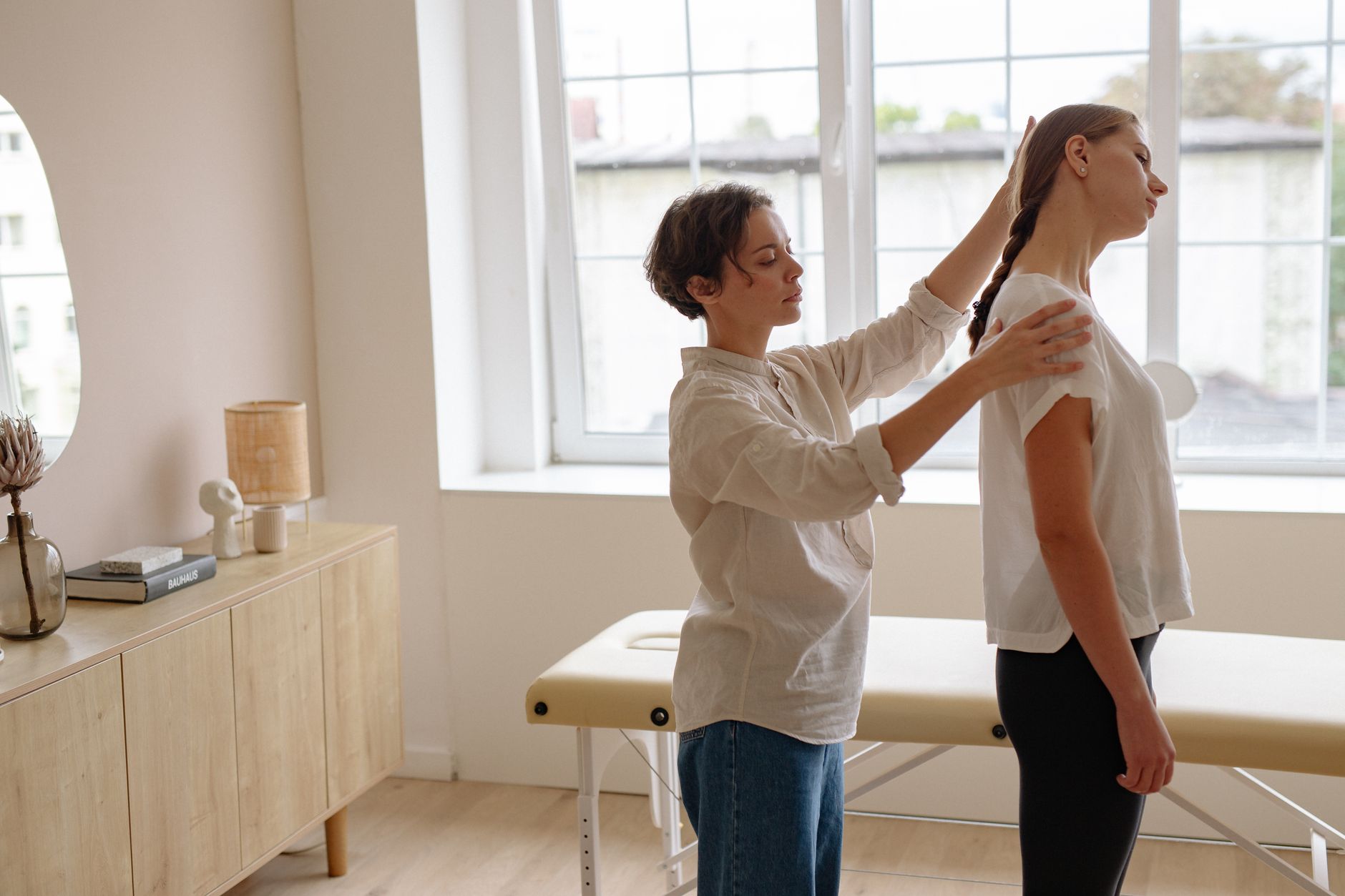
Lymphedema: Unlock Your Well-being with Complete Decongestive Physiotherapy
Lymphedema is a chronic and progressive condition that manifests as persistent swelling in a part of the body, caused by a failure in the lymphatic system. Although it can be challenging, the good news is that physiotherapy offers a comprehensive and highly effective solution to manage and reduce its symptoms. Complete Decongestive Therapy (CDT) is the gold standard, designed to restore your quality of life.
Manual Lymphatic Drainage (MLD): The Foundation of Treatment
Manual Lymphatic Drainage is the cornerstone of Complete Decongestive Therapy. Performed by a specialized physiotherapist, it consists of a series of very gentle, rhythmic, and specific maneuvers applied to the skin to stimulate the lymphatic system. The main goal of MLD is to move stagnant lymph towards functional areas of the lymphatic system, thereby reducing edema and improving lymphatic circulation. It is not a traditional massage; its precise technique is crucial to avoid damaging the delicate lymphatic vessels and ensure maximum effectiveness in decongesting the affected limb.
Compression Therapy: Bandaging and Elastic Garments
Compression is an indispensable component for maintaining the edema reduction achieved with MLD and preventing its reaccumulation. It is divided into two phases:
- Multi-layer Bandaging: In the initial and most intensive phase of treatment, special low-stretch bandages are used. These bandages are applied with a specific technique, exerting graduated pressure that helps compact tissues, reduce limb volume, improve the muscle pump action, and facilitate lymphatic flow. They are worn for most of the day and night, and are adjusted by the physiotherapist according to the evolution of the edema.
- Compression Garments (Maintenance): Once the limb volume has stabilized, a custom-made elastic compression garment (sleeves, stockings, etc.) is prescribed. These garments are fundamental for the long-term maintenance phase, providing constant and controlled pressure that prevents fluid reaccumulation, maintains the limb's shape, and supports the tissues. Their daily and appropriate use is key to treatment success.
Skin Care and Specific Therapeutic Exercise
These two elements are vital for successful lymphedema management:
- Skin Care: Skin with lymphedema is more vulnerable to infections (cellulitis) and dryness. It is crucial to keep it clean and hydrated with pH-neutral and fragrance-free products. Meticulous care helps preserve the integrity of the skin barrier, reduces the risk of complications, and improves tissue elasticity. The physiotherapist will guide you on the best products and routines.
- Specific Therapeutic Exercise: Performed with the compression garment or bandage on, specific exercises stimulate the "muscle pump" and "joint pump," promoting lymphatic flow and improving mobility. These exercises are low-intensity, rhythmic, and focused on the joints of the affected limb and the trunk. They contribute not only to edema reduction but also to improving the patient's strength, flexibility, and overall functionality.
Complete Decongestive Therapy for lymphedema is a comprehensive approach that, when performed by an expert physiotherapist, offers significant results in volume reduction, symptom relief, and improved quality of life. It is not just a treatment, but a way to empower patients with the tools to manage their condition long-term.