

Lumbar Spinal Stenosis: Your Expert Guide to Relief with Exercises and Physiotherapy
June 28, 2026 · 4 min read
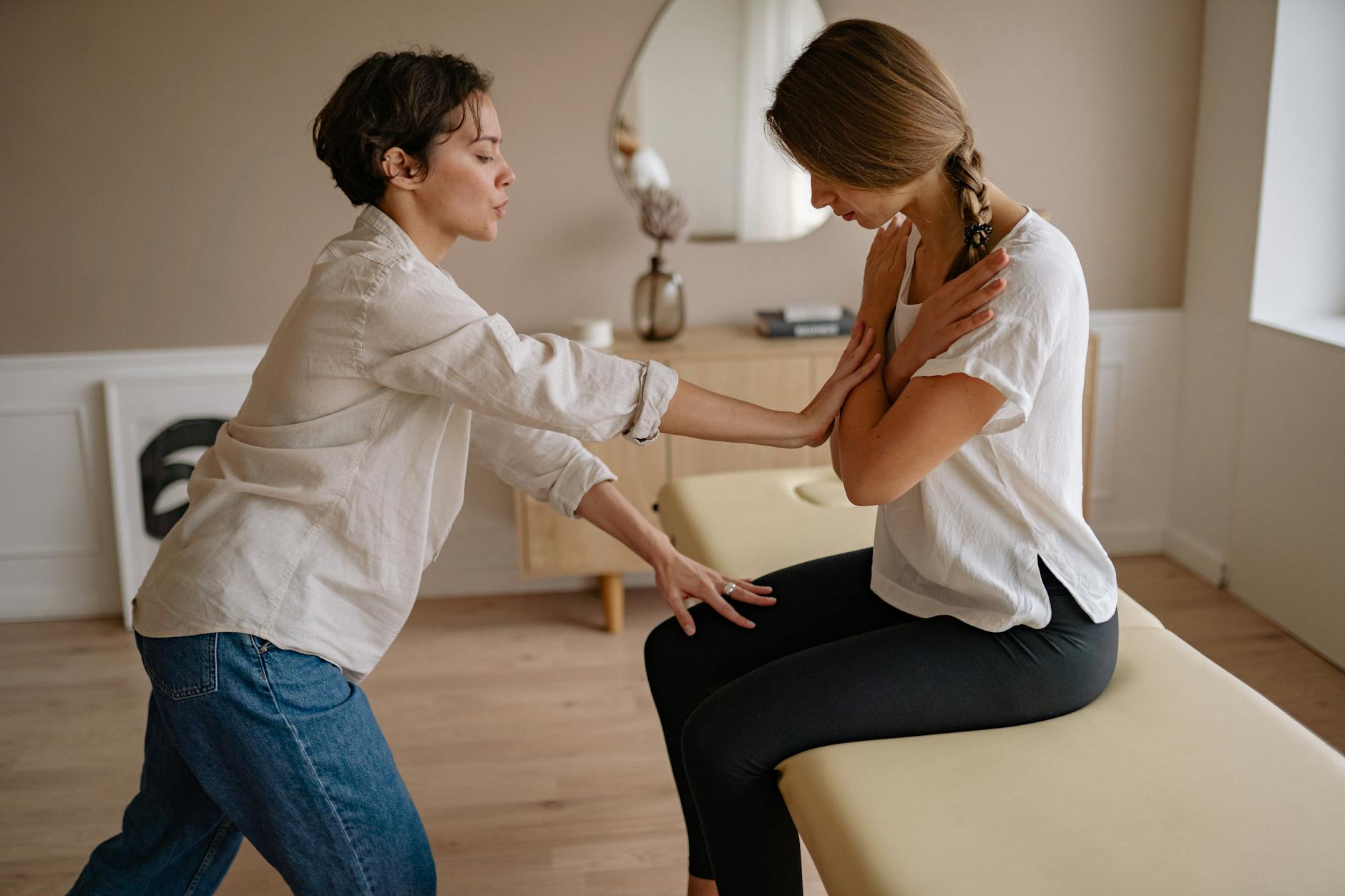
Lumbar Spinal Stenosis: Your Expert Guide to Relief with Exercises and Physiotherapy
Lumbar spinal stenosis is a common condition that can cause pain and significant limitations in daily life. It is characterized by the narrowing of the space within the spinal canal, putting pressure on the spinal cord and nerves. Fortunately, for most people, a conservative approach based on exercises and physiotherapy is extraordinarily effective in relieving symptoms and improving quality of life without the need for surgery.
Understanding Lumbar Spinal Stenosis and Its Symptoms
Lumbar stenosis is, in essence, a "narrowing" of the spinal canal in the lower back. This narrowing is commonly the result of aging and natural wear and tear of the spine. Factors such as osteoarthritis, thickening of ligaments, formation of bone spurs (osteophytes), and disc bulges or herniations can contribute to the reduction of space for the nerves.
The most characteristic symptoms include low back pain that can radiate to the buttocks and legs (sciatica), numbness, tingling, or weakness in the legs, especially when standing or walking. A distinctive sign is "neurogenic claudication," where symptoms are relieved by sitting or leaning forward (such as when pushing a shopping cart), as these postures slightly open the spinal canal, decompressing the nerves.
The Pillar of Conservative Physiotherapy
As physiotherapists, our mission is to help you regain your functionality and reduce pain through a personalized, non-surgical plan. Physiotherapy is a fundamental pillar in the management of lumbar stenosis, focusing on several key objectives:
- Education and Self-Management: We will teach you to understand your condition, identify postures and activities that aggravate or relieve your symptoms, and how to modify your environment and habits to protect your spine.
- Pain and Inflammation Reduction: Through gentle manual techniques, joint mobilizations, and, if necessary, treatment modalities (such as heat or cold), we work to decrease stiffness and pain.
- Improved Mobility and Flexibility: We focus on restoring proper movement of the spine and hips, prioritizing lumbar flexion movements that help open the spinal canal.
- Muscle Strengthening: We develop a program to strengthen core muscles, the back, and legs, which is vital for providing spinal support and improving walking endurance.
- Gait Retraining and Balance: We will help you walk with greater comfort and safety, improving your activity tolerance and quality of life.
Key Exercises for Lumbar Stenosis Relief
Exercises are a powerful tool and the heart of your rehabilitation program. They will primarily focus on positions that flex the lumbar spine, creating more space for the nerves. Here are some of the most beneficial:
- Pelvic Tilts: Lying on your back with knees bent and feet flat, gently press your lower back into the floor by tightening your glutes and abdominal muscles, performing a pelvic rock. Hold for a few seconds and relax.
- Single/Double Knee to Chest: From the same starting position, hug one knee towards your chest, holding it with both hands. Feel a gentle stretch in your lower back. Repeat with the other leg, then with both.
- Modified Child's Pose: Kneel on the floor (or on a blanket for added comfort), sit back on your heels, and fold your torso forward, extending your arms. Aim for a gentle flexion of the lumbar spine. If difficult, you can place a pillow between your glutes and heels.
- Cat-Cow Stretch (emphasis on the "Cat"): On all fours, arch your back towards the ceiling (like a cat) gently flexing your spine, while tucking your head in and contracting your abdomen. Avoid the excessive extension phase (the "cow") if it causes discomfort.
- Supported Walking: Start by walking short distances, using a walker or a shopping cart to lean slightly forward and relieve pressure on the nerves. Gradually increase distance and time as you feel more comfortable.
Remember that consistency and correct technique are essential. It is vital to perform these exercises under the supervision and guidance of a physiotherapist to ensure you do them safely and effectively, adapting them to your pain level and tolerance.
Conclusion
Lumbar spinal stenosis does not have to dictate your activity level or your quality of life. With a proactive approach and expert physiotherapy guidance, you can learn to manage your symptoms, strengthen your body, and regain freedom of movement. Do not hesitate to consult a physiotherapist; we are here to help you regain control and live fully.