

Scoliosis in Adolescents: Straightening the Future with Physiotherapy
June 30, 2026 · 3 min read
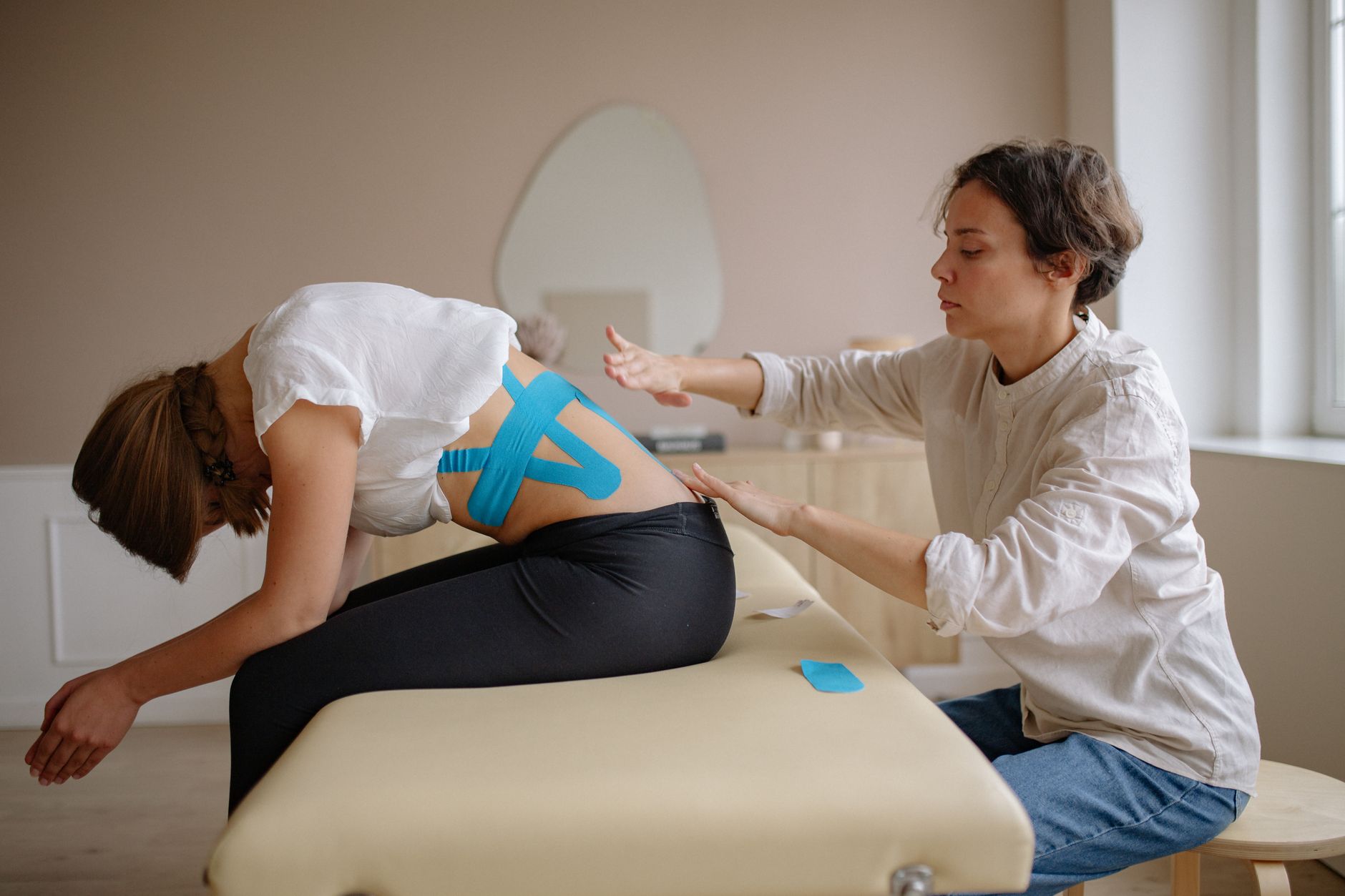
Scoliosis in Adolescents: Straightening the Future with Physiotherapy
Adolescence is a stage of great change, and for some, it brings an additional challenge: scoliosis. This lateral curvature of the spine, which often appears during periods of rapid growth, can cause concern. Fortunately, physiotherapy offers an effective and personalized approach to manage it, allowing young people to live a full and active life.
What is Adolescent Scoliosis and Why is Early Action Important?
Adolescent Idiopathic Scoliosis (AIS) is the most common type of scoliosis, generally manifesting between the ages of 10 and 18. It is characterized by a lateral deviation of the spine, accompanied by a rotation of the vertebrae, which can give the trunk an asymmetrical appearance. Detecting it early is crucial, as if left unaddressed, the curvature can progress during growth, leading to more severe postural problems, pain, functional limitations, and even an impact on the adolescent's self-esteem. Early intervention with specialized physiotherapy aims to halt this progression, correct posture, and alleviate any symptoms.
The Process: Diagnosis and Personalized Assessment in Physiotherapy
The path to effective management begins with a precise diagnosis. While initial detection is often carried out by parents, teachers, or the general practitioner (often with tests like the Adam's forward bend test), the expert scoliosis physiotherapist will perform a comprehensive assessment. This includes a detailed analysis of posture, spinal mobility, muscle strength, balance, and breathing. Trunk alignment, the presence of a rib hump, and limb length will be assessed. Working closely with the medical team, who typically provide X-rays and Cobb angle measurements, the physiotherapist will design an individualized treatment plan, adapted to the unique characteristics of each adolescent and the specific type of their curvature.
The Core of Treatment: Physiotherapeutic Specific Scoliosis Exercises (PSSE)
The cornerstone of physiotherapeutic scoliosis treatment is Physiotherapeutic Specific Scoliosis Exercises (PSSE). Internationally recognized methods such as Schroth, SEAS (Scientific Exercises Approach to Scoliosis), or BSPTS (Barcelona Scoliosis Physical Therapy School) are examples of these techniques. These are not generic exercises, but a three-dimensional approach that aims to:
- Active Postural Correction: Teaching the adolescent to self-correct their posture in three dimensions (derotation, deflection, and kyphotization).
- Asymmetrical Muscle Strengthening: Working weakened muscles and elongating shortened ones to stabilize the spine.
- Specific Breathing: Improving lung function and rib cage expansion, often affected by the curvature.
- Body Awareness: Educating the adolescent about their own posture and how to maintain correction in daily activities.
- Pain Management: If present, techniques are applied to relieve it and improve quality of life.
Furthermore, in cases where the doctor indicates the use of a brace, physiotherapy complements its action, preparing the body for its use and maintaining strength and mobility during the treatment period.
Living Fully with Scoliosis: Empowerment and Follow-up
The ultimate goal of physiotherapy is to empower the adolescent to actively manage their condition, minimize curve progression, reduce pain, and maintain a good quality of life. Consistency with home exercises and commitment are essential. Regular follow-up with the physiotherapist will allow the program to be adjusted as the adolescent grows and evolves, ensuring the best long-term results.