

Electrotherapy for Pain and Recovery: TENS and Interferential Currents in Detail
May 26, 2026 · 4 min read
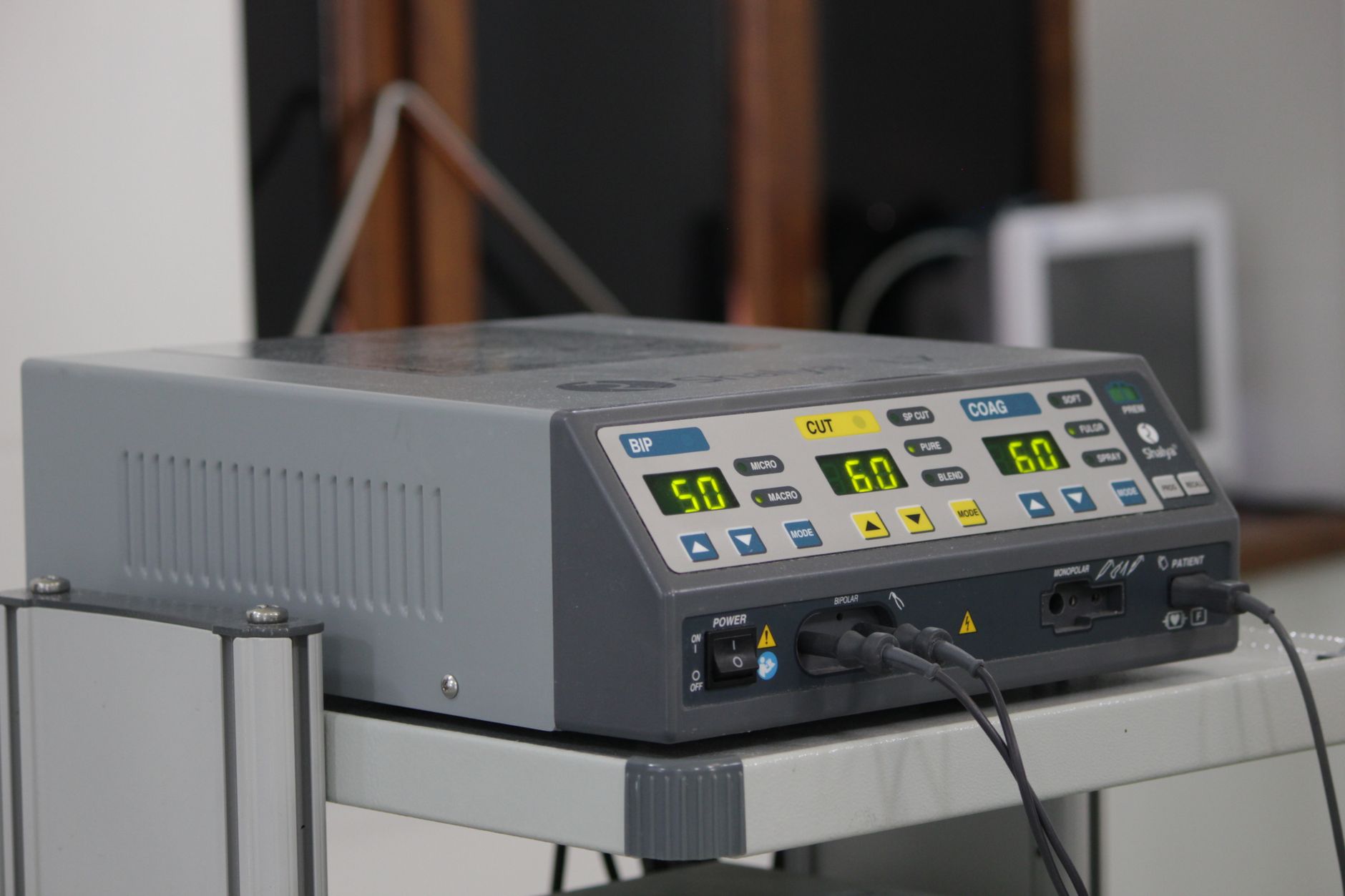
Electrotherapy for Pain and Recovery: TENS and Interferential Currents in Detail
In the world of physiotherapy, technology advances to offer increasingly effective solutions in pain management and recovery acceleration. Among the most valuable and widely used tools is electrotherapy, a modality that harnesses electrical energy for therapeutic purposes. Today, as your expert physiotherapist, we are going to unveil the secrets of two of its most popular modalities: Transcutaneous Electrical Nerve Stimulation (TENS) and interferential currents.
What is Electrotherapy and How Does It Work?
Electrotherapy is a treatment technique that uses different types of electrical currents applied to the skin to generate a desired physiological response. These currents can act at different levels: modulating pain, reducing inflammation, promoting tissue healing, or strengthening muscles. The basic principle lies in electricity's ability to stimulate nerves or muscle fibers, altering their normal activity to achieve a therapeutic effect. It is a non-invasive tool that, under the supervision of a professional, offers great benefits.
TENS: Your Ally Against Acute and Chronic Pain
TENS, or Transcutaneous Electrical Nerve Stimulation, is undoubtedly one of the most well-known and widely used forms of electrotherapy. Its main objective is pain relief, both acute and chronic, through the application of low-frequency electrical impulses via electrodes placed on the skin.
How does it work? TENS primarily acts through two mechanisms:
- Gate Control Theory of Pain: Electrical impulses stimulate non-painful nerve fibers (large-diameter myelinated fibers), sending signals to the spinal cord that "close the gate" to pain signals attempting to pass to the brain.
- Endorphin Release: In certain modes, TENS can promote the release of endorphins, the body's natural painkillers, offering more lasting relief.
It is a safe, non-addictive treatment that can be used for a wide range of conditions, from lower back pain and neck pain to neuropathic pain, arthritis, or sports injuries. Many patients can even use portable TENS units at home under their physiotherapist's guidance.
Interferential Currents: Deep Penetration for Effective Recovery
Interferential currents (IFC) are an electrotherapy modality that, unlike TENS, uses medium-frequency currents. Their distinctive feature is that they apply two slightly different medium-frequency currents that "interfere" with each other within the body's tissues. The result of this interference is the creation of a new low-frequency current (the "beat" frequency) at the crossing point of the two currents.
Why are they so effective?
- Greater Penetration: By using medium-frequency currents, skin impedance is lower, allowing the current to penetrate deeper into tissues without causing superficial discomfort. This makes them ideal for treating deeper structures such as muscles, ligaments, or large joints.
- Multiple Therapeutic Effects: Depending on the programmed "beat" frequency, IFCs can be used for a variety of purposes:
- Pain relief: Similar to TENS, but with a deeper action.
- Reduction of edema and inflammation: Helping to mobilize fluids and improve circulation.
- Muscle relaxation: Decreasing muscle spasm.
- Muscle stimulation: In certain cases, to improve tone or strength.
Interferential currents are highly valued in the treatment of conditions such as sprains, tendinopathies, chronic joint pain (knee, shoulder), sciatica, or postoperative recovery, where deep and effective action is required.
Conclusion
Electrotherapy, with its modalities such as TENS and interferential currents, represents a cornerstone in modern physiotherapy. Both tools offer significant pain relief and promote recovery, each with its specific mechanisms and applications. The choice of one over the other, as well as the treatment parameters, should always be determined by a qualified physiotherapist, who will adapt the technique to your individual needs to ensure maximum effectiveness and safety. Do not hesitate to consult your specialist to integrate these powerful tools into your rehabilitation plan.