

The Hidden Secret to Your Well-being: Why the Pelvic Floor is Vital for Everyone
July 5, 2026 · 4 min read
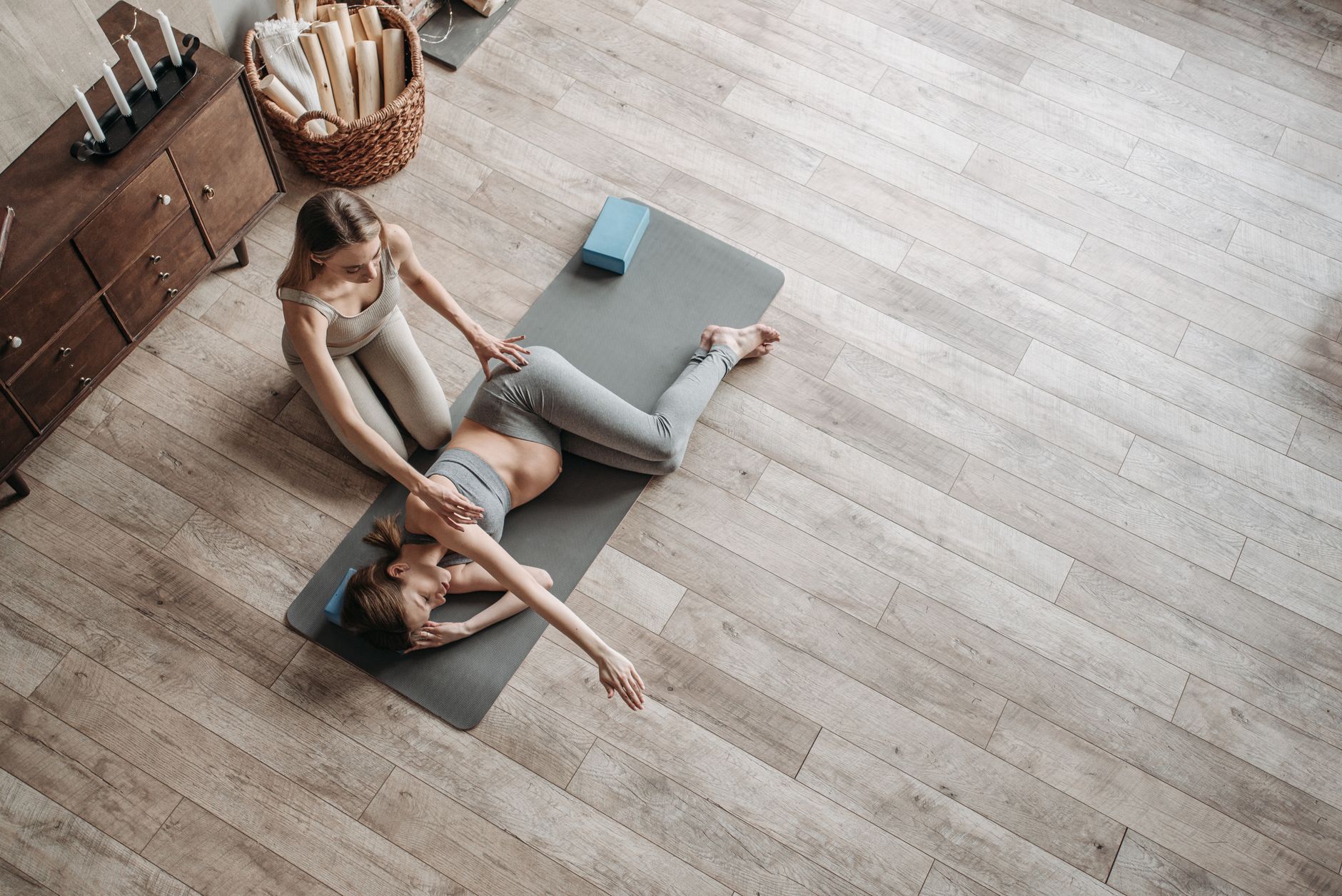
The Hidden Secret to Your Well-being: Why the Pelvic Floor is Vital for Everyone
As a physiotherapist, I often hear that pelvic floor exercises are only for pregnant women or those postpartum. Nothing could be further from the truth! This complex muscular network is a fundamental pillar of our overall health and well-being, crucial for men and women alike, young and old. It's time to demystify its importance and understand why we should all pay attention to it.
What is the Pelvic Floor and What is its Fundamental Role?
Imagine a hammock of muscles and ligaments stretching from your pubic bone to your tailbone, forming the base of your torso. That is your pelvic floor. Its function is much more than simply supporting the pelvic organs (bladder, bowel, and, in women, uterus). It acts as an essential support for the spine, actively participates in urinary and fecal continence, and plays a key role in sexual and reproductive function. When this "hammock" weakens or dysfunctions, a variety of problems can arise that significantly affect our quality of life.
Undeniable Benefits of a Strong Pelvic Floor for Everyone
Maintaining the pelvic floor in optimal condition is not an option, it's a necessity. Its benefits extend to various areas of our lives:
- Goodbye to Incontinence: This is the most well-known reason. A strong pelvic floor helps control the bladder and bowel, preventing those annoying urine leaks when laughing, coughing, or sneezing, and even fecal incontinence.
- Pelvic Organ Support and Prolapse Prevention: Especially relevant for women, but also a potential risk for men, a strong pelvic floor keeps internal organs in place, preventing descents (prolapses) that can be painful and limiting.
- Improved Posture and Lower Back Pain Relief: The pelvic floor is part of the "core" or abdominal core. A robust pelvic floor works in synergy with the deep abdominal muscles and the diaphragm, offering a stable base for the spine and contributing to better posture, reducing the risk of back pain.
- Enhanced Sexual Health: In both men and women, a toned pelvic floor can improve sensitivity, orgasm intensity, and the ability to maintain an erection in males. It is a vital component for a satisfying sexual life.
- Optimized Athletic Performance: Athletes, especially those performing high-impact sports or weightlifting, benefit enormously from a strong pelvic floor. It helps transfer force, improve stability, and prevent injuries.
Who Should Care About Their Pelvic Floor? The Answer is Everyone!
Although traditionally associated with motherhood, pelvic floor care is a universal matter.
- Women: During pregnancy and postpartum, menopause, or after gynecological surgeries.
- Men: As they age, after prostate surgery, or if they experience erectile dysfunction.
- Athletes: Runners, weightlifters, gymnasts, or anyone who practices high-impact exercises.
- People with chronic constipation or persistent cough: Repeated pressure on the pelvic floor can weaken it.
- Anyone experiencing: Pelvic pain, incontinence, a feeling of heaviness, or prolapse, regardless of age or gender.
The key is to understand that you don't have to wait for symptoms to start taking care of it. Prevention is always the best strategy.
How to Integrate Pelvic Floor Exercises into Your Life
Starting to strengthen your pelvic floor can be simpler than you think. The famous Kegel exercises, when performed correctly, are an excellent foundation. They involve contracting and relaxing the pelvic floor muscles, as if trying to stop the flow of urine or prevent flatulence. However, technique is crucial. Incorrect execution can be ineffective and even harmful. Therefore, I encourage you to seek the guidance of a physiotherapist specialized in pelvic floor. We can assess you, teach you the correct technique, and create a personalized plan that fits your needs and goals.
Conclusion
The pelvic floor is a true conductor of our well-being. Its strength and functionality are indispensable for a full and active life, free from discomfort and limitations. Incorporating pelvic floor exercises into your routine is not just a preventive measure; it's a smart investment in your long-term health. Don't hesitate to consult a specialized physiotherapist to learn how to perform them correctly and adapt a plan to your needs.