

The Runner's Bane: Understanding and Overcoming Iliotibial Band Syndrome
July 14, 2026 · 4 min read
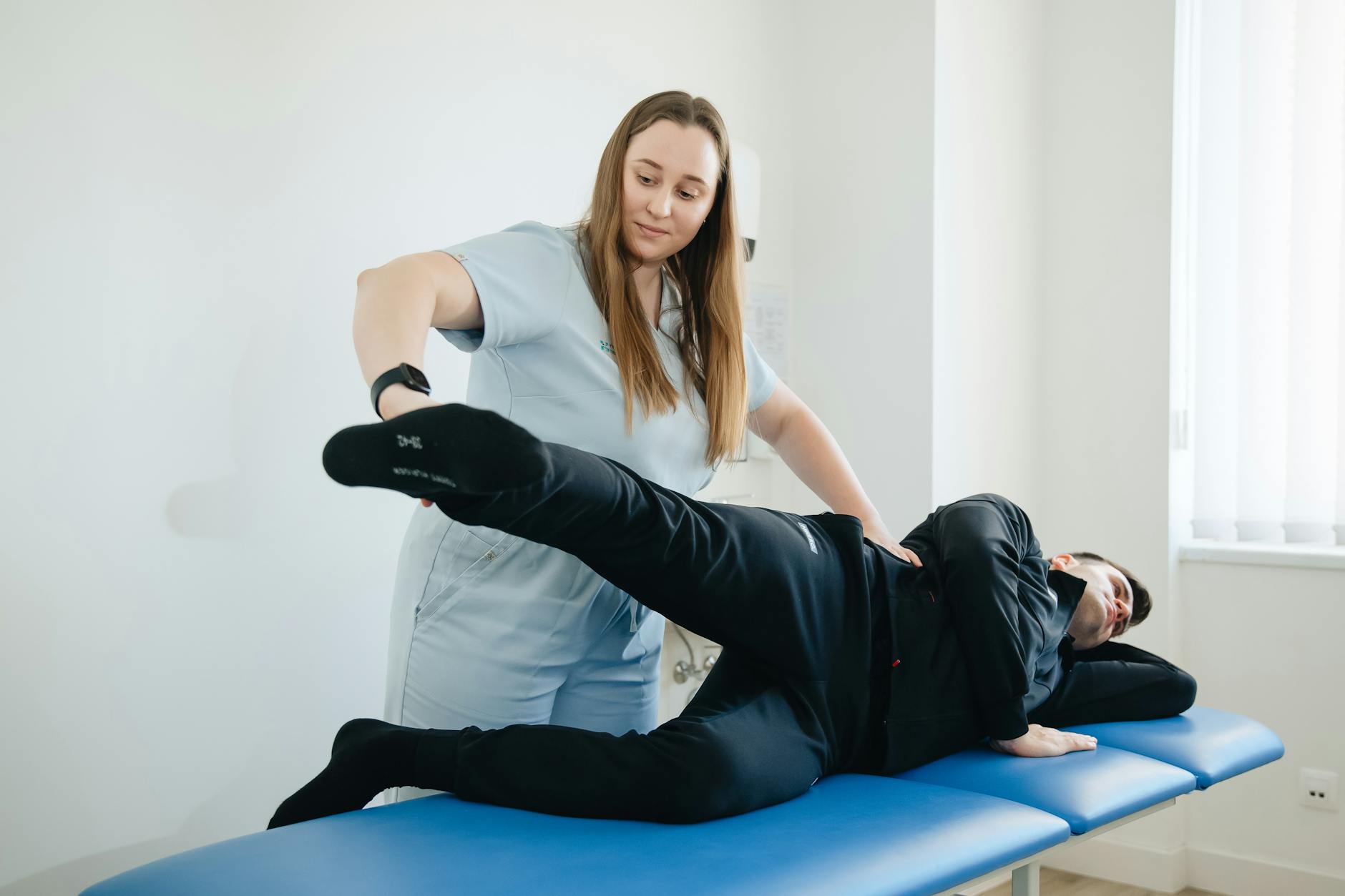
The Runner's Bane: Understanding and Overcoming Iliotibial Band Syndrome
If you're a runner, you've likely heard of or even suffered from the infamous Iliotibial Band Syndrome (ITBS). This persistent pain on the outside of the knee can be incredibly frustrating, halting your training and sapping your motivation. But don't worry, understanding its causes and applying the correct treatment is the first step to enjoying your runs without discomfort again.
What is Iliotibial Band Syndrome (ITBS)?
The iliotibial band (IT band) is a thick band of connective tissue that runs from your hip (originating from the tensor fasciae latae muscle and glutes) down the outside of your thigh to just below your knee on the outer part of your tibia. Its primary function is to stabilize the knee and hip during movement. ITBS occurs when this band becomes inflamed, typically due to repetitive friction with the lateral epicondyle of the femur (a bony protrusion on the outside of the knee) during knee flexion and extension while running. The result is a sharp or burning pain on the outer side of the knee, which often appears gradually and worsens with activity.
Unmasking the Causes: Why Does Your Knee Hurt?
ITBS rarely has a single cause; it's usually the result of a combination of factors, both intrinsic (from your own body) and extrinsic (related to your training):
- Muscular Weakness: One of the most common causes is weakness in the hip muscles, especially the gluteus medius. This muscle is crucial for stabilizing the pelvis and knee during running. When it's weak, it allows the knee to rotate internally or excessively adduct, increasing tension on the IT band.
- Muscular Imbalances: Other imbalances, such as tight hip flexors, quadriceps tightness, or shortened hamstrings, can also alter leg biomechanics.
- Excessive Load Increase: Suddenly increasing mileage, intensity, or training frequency, or introducing too many hills or banked surfaces, overloads the IT band.
- Inadequate or Worn-Out Footwear: Shoes that don't offer proper support or that have reached the end of their lifespan can alter your gait and contribute to the problem.
- Running Technique: Inefficient running patterns, such as an overly long stride or excessive cross-over gait, can increase tension.
- Anatomical Factors: Excessive foot pronation or a slight leg length discrepancy can also be predisposing factors.
Your Recovery Plan: A Physiotherapeutic Approach to ITBS
The good news is that ITBS responds very well to conservative and well-structured treatment. As a physiotherapist, my approach focuses on alleviating pain, correcting underlying causes, and preventing future recurrences:
- Acute Phase (Pain Relief): Initially, the goal is to reduce inflammation and pain. This may include relative rest (modifying activity, not necessarily complete cessation), applying ice, and, if necessary, anti-inflammatory medications under medical supervision.
- Manual Therapy: I use myofascial release techniques for the iliotibial band, tensor fasciae latae, and glutes, as well as joint mobilizations to improve hip and knee mobility.
- Muscle Strengthening: It is crucial to strengthen the hip stabilizing muscles, especially the gluteus medius, gluteus maximus, and core muscles. Exercises like lateral leg raises, glute bridges, or single-leg squats are key.
- Specific Stretches: Although the IT band is difficult to stretch directly, working on the flexibility of adjacent muscles (glutes, quadriceps, and hip flexors) is crucial. A foam roller can be a useful tool for release, but it must be used correctly.
- Gait and Running Technique Re-education: We analyze and correct inefficient movement patterns to optimize your biomechanics and reduce the load on the IT band.
- Progressive Return to Activity: The return to running must be gradual and monitored, following a specific plan to prevent relapses.
Running Towards the Future: Prevention Strategies
Once an ITBS episode has passed, prevention is your best ally. Maintain a regular strengthening routine focused on the hip and core. Make sure to increase your mileage by no more than 10% per week and vary your routes and surfaces. Listen to your body, invest in appropriate footwear, and don't underestimate the importance of a good warm-up and cool-down. With these strategies, you'll be able to enjoy running long-term and pain-free.