

Manual Lymphatic Drainage: Unlocking Your Well-being with an Expert Touch
May 19, 2026 · 4 min read
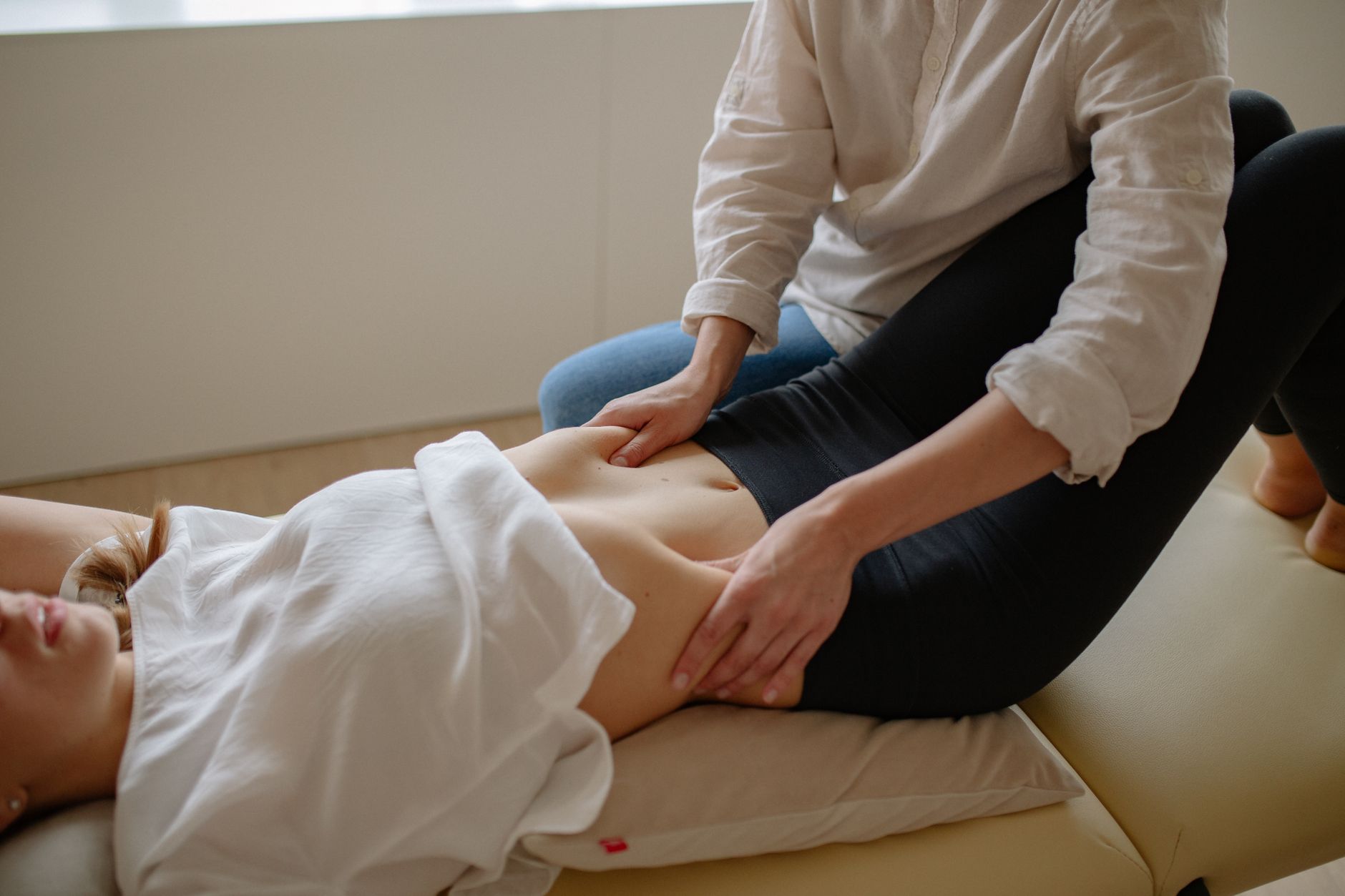
Manual Lymphatic Drainage: Unlocking Your Well-being with an Expert Touch
As a physiotherapist, I know that seeking effective solutions for our health is a priority. Today, I want to talk to you about a gentle yet powerful technique: Manual Lymphatic Drainage (MLD). This therapeutic approach, often misunderstood, plays a crucial role in the recovery and maintenance of our well-being, provided it is applied correctly and under the appropriate indications.
What is Manual Lymphatic Drainage (MLD)?
Manual Lymphatic Drainage is a specific and highly specialized physiotherapy technique designed to stimulate the lymphatic system. This system, a vital part of our immune system, is responsible for transporting lymph – a fluid rich in proteins, lipids, and waste products – throughout the body, filtering it, and returning it to the bloodstream. Unlike blood circulation, the lymphatic system lacks a central "pump" like the heart, relying on muscle contraction and bodily movement for its flow.
MLD maneuvers are rhythmic, slow, and very gentle, applied with minimal pressure on the skin. Their objective is to increase the speed and volume of lymphatic flow, promoting the elimination of stagnant fluids and toxins, reducing edema, and improving immune function.
Indications: When Can MLD Help You?
Manual Lymphatic Drainage is a very versatile therapeutic tool, and its indications span various areas:
- Lymphedema: This is the primary indication. It can be primary (congenital) or secondary, often resulting from surgeries (such as mastectomies with lymph node dissection), radiotherapy, or trauma affecting the lymphatic network.
- Edema and Swelling:
- Post-surgical: Highly effective after cosmetic surgeries (liposuction, abdominoplasty), orthopedic procedures, or other types of surgery to reduce inflammation and accelerate healing.
- Post-traumatic: Helps reduce swelling in sprains, fractures, or contusions.
- Fluid Retention: Contributes to relieving the sensation of heavy legs or generalized swelling due to venous or idiopathic causes.
- Aesthetic Issues: Can improve the appearance of edematous cellulite and promote recovery after cosmetic procedures.
- Venous Pathologies: Complements the treatment of chronic venous insufficiency and varicose veins, relieving congestion.
- Pregnancy: Relieves swelling in the legs and ankles, always under medical supervision and approval.
- General Health and Well-being: Contributes to relaxation, stress reduction, immune system enhancement, and relief in conditions such as fibromyalgia or chronic fatigue syndrome, as a supportive therapy.
Contraindications: When is MLD NOT advisable?
Although it is a safe technique, there are situations in which MLD is contraindicated to protect the patient's health:
- Acute Infections: Any active infection (bacterial, viral, fungal) or fever. MLD could spread the infection throughout the body.
- Untreated Active Cancer: There is a risk of malignant cell dissemination (metastasis). In cases of treated cancer, it should only be performed with explicit authorization from the oncologist and knowledge of the patient's medical history.
- Deep Vein Thrombosis (DVT) or Acute Thrombophlebitis: Manipulating the area could dislodge a clot and cause a pulmonary embolism, a life-threatening emergency.
- Decompensated Heart Failure: The increased volume of circulating fluid could overload the heart.
- Cardiac Edema: Similar to the previous point, it can worsen the condition if the heart cannot handle the extra fluid volume.
- Untreated Hyperthyroidism: Especially in manipulations near the neck area.
- Severe or Uncontrolled Bronchial Asthma: Thoracic stimulation could trigger or worsen an attack.
- Severe Arterial Hypotension: Could lead to a drop in blood pressure during or after the session.
Conclusion
Manual Lymphatic Drainage is a manual therapy with great potential to improve your quality of life, provided it is applied correctly and personalized. It is essential that it be performed by a qualified and experienced physiotherapist or therapist, who will conduct a thorough evaluation to ensure that the technique is appropriate for your particular case, thereby guaranteeing your safety and the maximum effectiveness of the treatment. Always consult a healthcare professional.