

Unlocking Your Spine: Vertebral Mobilization and Manipulation in Physiotherapy
May 29, 2026 · 4 min read
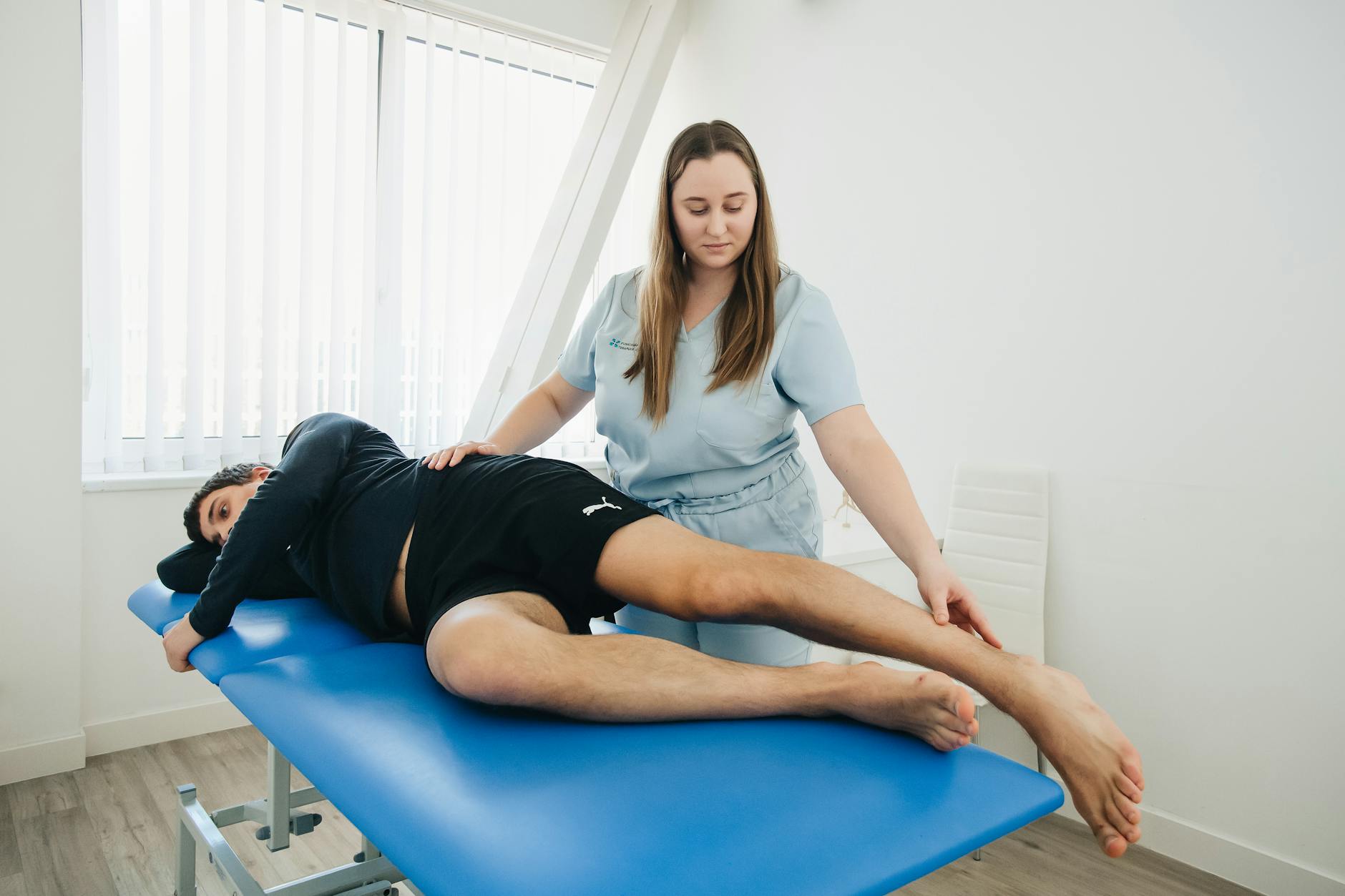
Unlocking Your Spine: Vertebral Mobilization and Manipulation in Physiotherapy
As an expert physiotherapist, I often encounter patients seeking relief for pain and stiffness in their spine. Joint manual therapy, specifically vertebral mobilization and manipulation, are powerful and scientifically backed tools that we use to restore movement, reduce pain, and improve overall spinal function. It's a hands-on approach that goes beyond symptoms to address the root cause of dysfunction.
What is Joint Manual Therapy?
Joint manual therapy is a specialized branch of physiotherapy that uses specific hands-on techniques to diagnose and treat dysfunctions in soft tissues and joints. It focuses on a thorough evaluation of the biomechanics of the spine and other joints, looking for movement restrictions, hypomobility (limited movement), or even hypermobility. My goal is to identify the joint or vertebral segment that is not moving correctly and apply the most appropriate technique to restore its optimal function, always based on a comprehensive and personalized assessment for each patient.
Vertebral Mobilization: Gently Restoring Movement
Vertebral mobilization is a manual technique that involves applying rhythmic, oscillatory, or sustained movements, of low velocity and variable amplitude, within the physiological range of the joint. These techniques are gentle and controlled, and do not seek to move the joint beyond its elastic limits. The main goal of mobilization is to improve "accessory joint motion" (small involuntary movements that allow for full and pain-free movement), reduce stiffness, decrease pain through neurophysiological mechanisms, and relax the surrounding musculature. It is a versatile and safe technique, frequently used to relieve back pain, cervical pain, and pain in other peripheral joints, preparing the joint for strengthening and stability exercises.
Vertebral Manipulation: Precision to Release the Spine
Vertebral manipulation, also known as a "thrust" technique or high-velocity, low-amplitude (HVLA) adjustment, is a more specific and potent technique. It involves applying a rapid, controlled impulse to a hypomobile vertebral joint, moving it slightly beyond its passive range of motion, but without exceeding anatomical limits. Often, this technique produces a "click" or "pop" sound (called cavitation), which is simply the release of dissolved gases in the synovial fluid of the joint, similar to cracking your knuckles. The benefits of manipulation can include rapid pain relief, immediate improvement in range of motion, and neurophysiological effects that can help normalize muscle tone and reduce nerve irritability. It is crucial that this technique is performed by a highly trained physiotherapist and after a thorough evaluation to ensure its safety and effectiveness.
When and By Whom? The Importance of Professional Assessment
Vertebral mobilization and manipulation are indicated for a wide range of musculoskeletal conditions, including: acute and chronic low back pain, cervical pain, cervicogenic headaches, joint stiffness, sciatica, and some temporomandibular joint (TMJ) dysfunctions. However, not everyone is a candidate for these techniques. A precise diagnosis and a comprehensive assessment of each patient are fundamental to determine the suitability and safety of the therapy. As a physiotherapist, I conduct a detailed medical history, a complete physical examination, and consider any contraindications before deciding on the most effective and safe treatment plan for you. My goal is always to integrate it within a broader rehabilitation program that includes therapeutic exercises, postural education, and other modalities as needed.
Conclusion
Vertebral mobilization and manipulation are advanced techniques within manual physiotherapy that, when applied correctly by a qualified professional, can be extraordinarily effective in restoring function, relieving pain, and improving quality of life. If you suffer from pain or stiffness in your spine, I invite you to consult with an expert physiotherapist. Together, we can design a personalized treatment plan for you to regain your well-being and freedom of movement.