

Challenge Your Limits in CrossFit Without Injuries: A Physiotherapist's Perspective
July 22, 2026 · 4 min read
Challenge Your Limits in CrossFit Without Injuries: A Physiotherapist's Perspective
CrossFit, that discipline that fuses Olympic weightlifting, gymnastics, and metabolic conditioning, has gained millions of followers worldwide. Its high-intensity and constantly varied nature is undeniably attractive, but it also entails a considerable risk of injury if not approached intelligently. This is where physiotherapy becomes your best ally to keep you strong, in the game, and achieving your long-term goals.
The Duality of CrossFit: Intensity vs. Injury Risk
The magic of CrossFit lies in its ability to push you beyond what you thought was possible. However, this constant pursuit of performance, combined with complex movements often executed under fatigue, creates an environment conducive to injuries. High training volume, the explosive nature of many exercises like box jumps or Olympic lifts, and the temptation to sacrifice technique for speed or weight, are factors that, without proper management, can lead to excessive wear and tear or acute trauma. A lack of a solid foundation of mobility and stability in extreme ranges of motion also contributes significantly to this risk.
The Most Common Injuries in the Box
As a physiotherapist, I have observed clear patterns in injuries affecting CrossFit athletes. Recognizing them is the first step toward prevention:
- Shoulder: It's one of the most overworked joints. Rotator cuff tendinopathy, impingement syndrome, or labrum tears are common due to the high number of overhead movements (pull-ups, kipping, overhead squats, snatches) and the demand for dynamic stabilization.
- Lower Back: Low back pain is a frequent complaint. Lifting heavy weights with improper technique in exercises like deadlifts, cleans, or snatches, especially under fatigue, can lead to anything from muscle spasms to herniated discs.
- Knee: Patellar or quadriceps tendinopathies, and meniscal problems, often arise from the repetitive impact of box jumps, the intensity of squats, or a lack of control during descents.
- Elbow and Wrist: Lateral epicondylitis ("tennis elbow"), common in gymnastic movements (pull-ups, toes-to-bar) or lifts that load the joint, and wrist tendinopathies due to the rack position or weight bearing on them, are also common.
- Achilles Tendon: Tendinopathy here is common due to the demands of rope jumps, box jumps, and running.
Prevention Strategies: Train Smart, Not Just Hard
The key to a long and successful CrossFit career is not to avoid challenges, but to intelligently prepare for them. Here are essential strategies from a physiotherapy perspective:
- Prioritize Technique Over Weight and Speed: Your coach is crucial, but you are responsible for executing each movement with the best possible form. If technique degrades, lower the weight or reduce repetitions. It's better to progress slowly than to get injured quickly.
- Develop Optimal Mobility and Stability: Identify your movement limitations (for example, in a deep squat or overhead position) and actively work on them. Incorporate joint mobility exercises and stabilizing muscle strengthening into your pre-workout and post-workout routine.
- Listen to Your Body: Pain is a signal, not an enemy to ignore. Learn to differentiate between post-exercise muscle soreness and joint or tendon pain that indicates a problem. Rest and recovery are just as vital as the training itself.
- Rigorous Warm-up and Cool-down: Never skip these phases. A good warm-up prepares your muscles and joints, while a cool-down aids recovery and prevents stiffness.
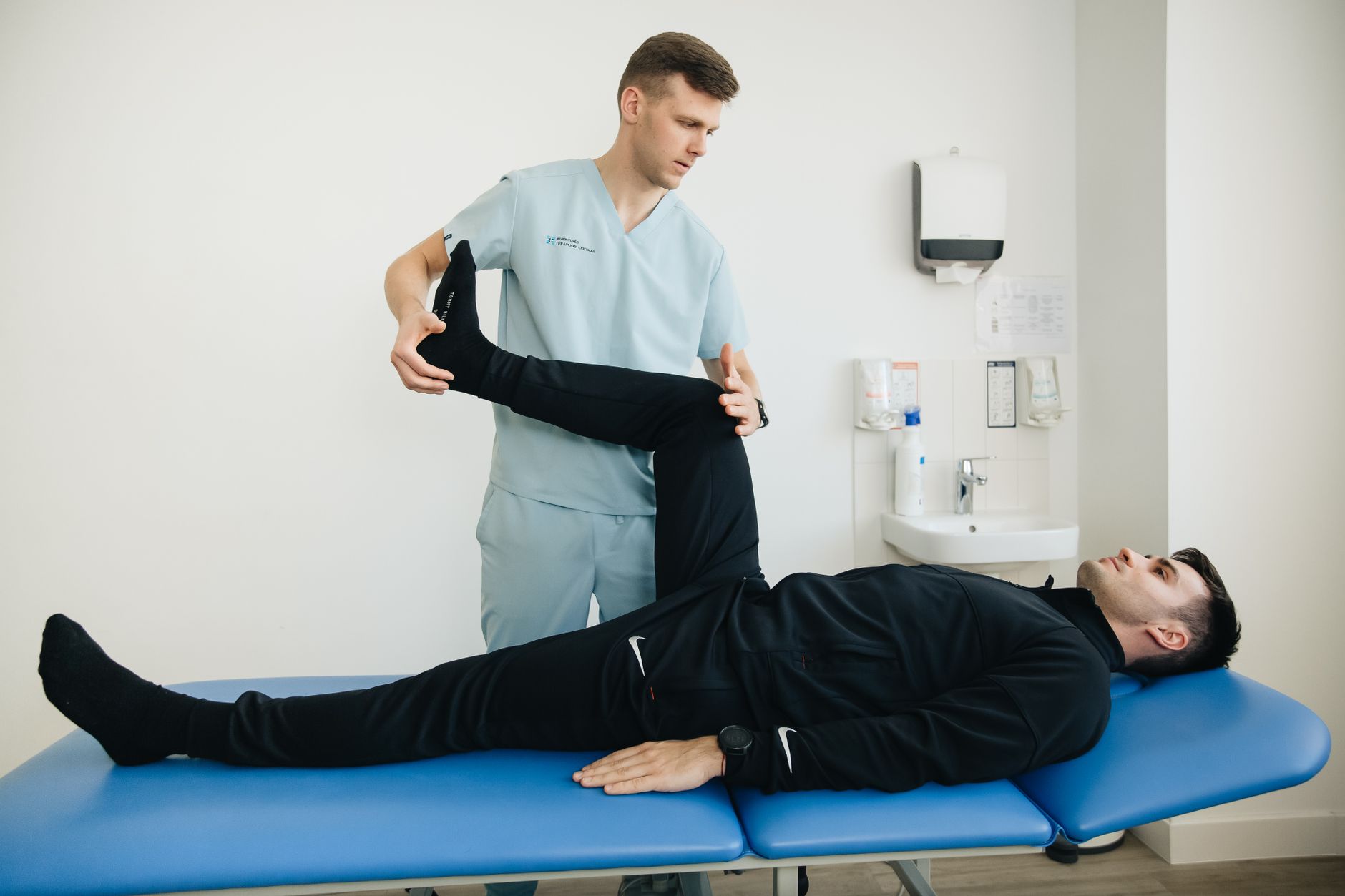
- Preventive Physiotherapy: A physiotherapist can perform movement assessments, identify muscle imbalances, address joint restrictions, and offer a personalized "pre-habilitation" plan. Regular visits can prevent problems before they manifest as injuries, optimizing your performance and ensuring you continue training.
Conclusion
CrossFit is an incredibly rewarding discipline that challenges you physically and mentally. However, to reap its long-term benefits and avoid interruptions due to injury, it is crucial to adopt a proactive approach. Prioritize technique, listen to your body, and consider your physiotherapist a strategic partner on your path to health, resilience, and optimal performance inside and outside the box.