

¡Back to the Track! Guide to Sports Readaptation After an Anterior Cruciate Ligament (ACL) Tear
April 16, 2026 · 3 min read
¡Back to the Track! Guide to Sports Readaptation After an Anterior Cruciate Ligament (ACL) Tear
An anterior cruciate ligament (ACL) tear is a common injury in athletes of all levels. If you’ve experienced this situation, it’s understandable to feel frustrated and concerned about returning to sport. However, with a well-structured rehabilitation program and a positive attitude, sports readaptation is entirely possible. This article will guide you through the key stages of the process, offering practical information and tips to maximize your chances of success.
Initial Phase: Pain and Inflammation Control (0-6 Weeks)
The initial phase is crucial to prevent complications and allow the tissue to heal properly. The primary goal is to control pain, inflammation, and protect the injury site. This is achieved through:
- Relative Rest: Avoid activities that aggravate the pain.
- Ice: Apply ice to the injured area for 15-20 minutes, several times a day.
- Compression: Use a compressive bandage to reduce swelling.
- Elevation: Keep the leg elevated above the heart.
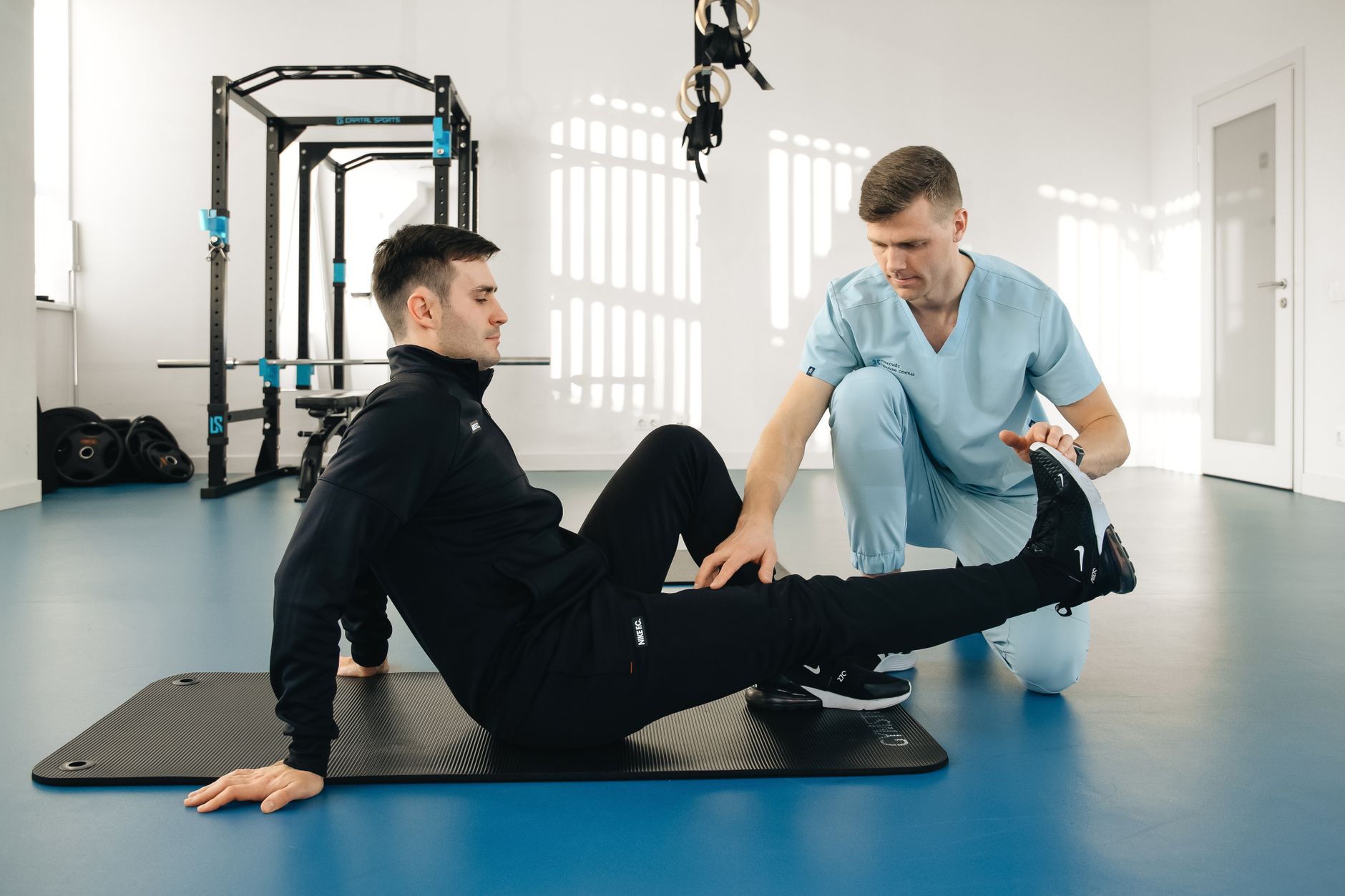
- Early Physiotherapy: Gentle passive mobility exercises (movements performed by another person) to prevent stiffness and maintain blood circulation. Focus will be on isometric exercises (muscle contractions without movement) to strengthen muscles without overloading the ligament.
Strengthening and Mobility Recovery (6-12 Weeks)
As pain and inflammation decrease, the phase of strengthening and mobility recovery begins. Here, physiotherapy plays a fundamental role. Progressive exercises will be introduced, including:
- Range of Motion Exercises: Gradually increase the range of motion of the knee.
- Muscle Strengthening: Exercises with resistance bands to strengthen the quadriceps, hamstrings, and glutes.
- Proprioception Exercises: Activities that improve awareness of the knee’s position in space, crucial for preventing future injuries. This may include exercises on unstable surfaces.
- Cycling and Swimming: Low-impact activities that help maintain fitness and mobility without overloading the knee.
Return to Sport: Specific Practice Phase (12+ Weeks)
This phase is the most delicate and requires thorough evaluation by the physiotherapist and coach. It begins to incorporate sport-specific exercises, simulating movements and activities that will be performed during competition. It’s fundamental to:
- Gradual Progression: Increase the intensity and duration of exercises gradually, following the physiotherapist’s instructions.
- Continuous Monitoring: Monitor the body’s response to exercises and adjust the program as needed.
- Pain Control: Pay attention to any pain signals and stop if necessary.
- Technique Work: Review and correct movement technique to minimize stress on the knee.
Additional Considerations and Factors for Success
Recovery time varies considerably from patient to patient, depending on the severity of the injury, age, previous activity level, and adherence to the rehabilitation program. It’s important to be patient and not rush the return to sport. Furthermore, psychological support can be fundamental to overcome frustration and maintain motivation. Finally, the choice of a personalized rehabilitation program and collaboration between the physiotherapist, coach, and athlete are key factors for a successful return.