

Tennis Elbow: Your Complete Physiotherapy and Exercise Guide to Recovery
October 12, 2026 · 4 min read
Tennis Elbow: Your Complete Physiotherapy and Exercise Guide to Recovery
Do you feel a persistent pain on the outside of your elbow that radiates down your forearm? You might be experiencing what is commonly known as "tennis elbow" or lateral epicondylitis. This condition, though frustrating, responds very well to an appropriate physiotherapy approach and specific exercises, allowing you to resume your activities without pain.
What is Lateral Epicondylitis and Why Does It Occur?
Lateral epicondylitis is a tendinopathy affecting the tendons of the wrist and finger extensor muscles, which originate at the lateral epicondyle, a small bony prominence on the outer part of the elbow. Contrary to what its name suggests, it doesn't only affect tennis players; it's common in people who perform repetitive movements with their wrist and arm, such as carpenters, painters, office workers, or even gardeners.
The main causes are typically overload or overuse of these tendons, often due to repetitive movements, incorrect technique in sports or work activities, or improper use of tools. Pain is the primary symptom, worsening when gripping objects, lifting weights, turning a doorknob, or extending the wrist against resistance.
The Path to Recovery: Physiotherapy as a Pillar
Physiotherapy is the conservative treatment of choice for lateral epicondylitis, aiming not only to alleviate pain but also to address the underlying cause and prevent future relapses. After a thorough evaluation to identify contributing factors, your physiotherapist will design a personalized plan that may include:
- Manual Therapy: Joint mobilizations of the elbow, wrist, and cervical spine, specific massages to release muscle tension and improve circulation.
- Release Techniques: Such as dry needling, to deactivate trigger points in the forearm muscles that contribute to pain.
- Electrotherapy and Thermotherapy: Use of ultrasound, TENS (transcutaneous electrical nerve stimulation), or hot/cold therapy to modulate pain and promote tissue recovery.
- Education and Activity Modification: Advice on ergonomics at work, technique in sports or daily activities to reduce the load on the affected tendons.
- Neuromuscular Taping or Taping: To provide support, reduce pain, and improve proprioception. The goal is a progressive and controlled loading of the tendons, always respecting pain to avoid irritation.
Key Exercises to Strengthen and Restore Function
Once acute pain subsides, exercises become fundamental to restoring forearm strength, flexibility, and endurance. It is crucial to perform them gradually, paying attention to sensations and without causing a significant increase in pain. Here are some essentials:
- Wrist Extensor Stretch: With your elbow extended, use your opposite hand to flex your wrist and fingers towards your body, feeling the stretch in the top of your forearm. Hold for 30 seconds, repeat 3 times.
- Isometric Extensor Strengthening: With your forearm supported and your hand hanging off the edge, try to extend your wrist against resistance (your other hand or a table), but without movement. Hold for 10-15 seconds, 5 repetitions.
- Eccentric Extensor Strengthening: With a light weight (0.5-1 kg), slowly let your wrist drop from an extended position downwards. Use your other hand to return to the starting position. Perform 3 sets of 10-15 repetitions. This is a key exercise for tendon rehabilitation.
- Concentric Extensor Strengthening: Similar to the above, but lift your wrist from the low position upwards, controlling the movement. Perform 3 sets of 10-15 repetitions.
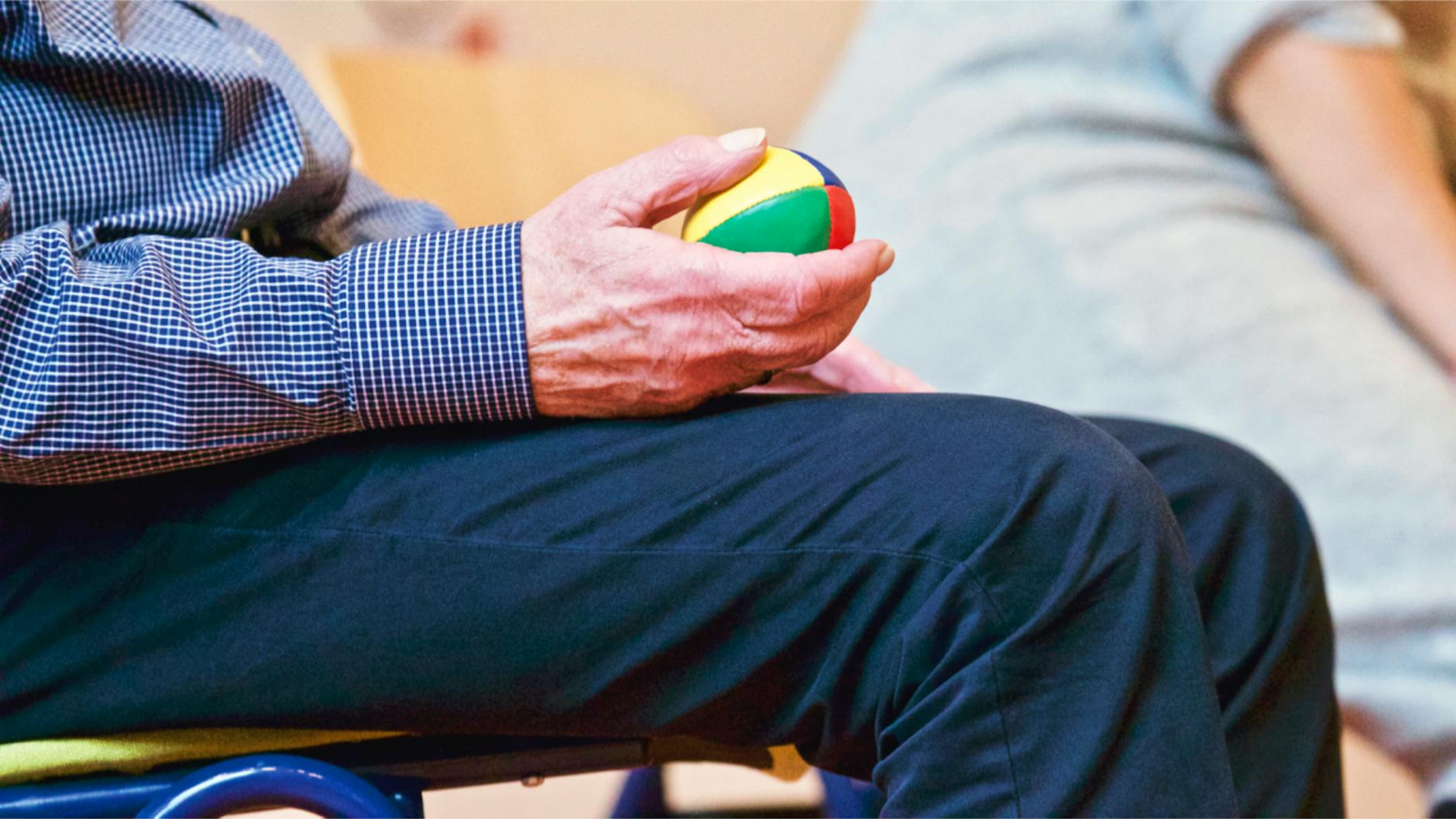
- Grip Exercises: Gently squeeze a soft rubber ball or therapy putty. Hold for a few seconds and release. Perform 3 sets of 10-15 repetitions.
Remember that progression should be supervised by your physiotherapist, who will advise you when and how to increase intensity or add new exercises.
Conclusion
Lateral epicondylitis can be debilitating, but it doesn't have to be a long-term battle. With an accurate diagnosis, an expert physiotherapy plan, and your commitment to the exercises, you can regain full elbow function and return to enjoying your activities without pain. Don't hesitate to seek professional help for your recovery.