

Stuck with Trigger Finger? Know Your Treatment Solutions
June 7, 2026 · 4 min read
Stuck with Trigger Finger? Know Your Treatment Solutions
Trigger finger, medically known as stenosing tenosynovitis, is a painful condition that causes a finger or thumb to get stuck in a bent position, as if poised to pull a trigger. This annoying locking can significantly interfere with your daily activities, from typing to grasping objects. Fortunately, there are various effective treatment options to free you from this condition.
Understanding Trigger Finger
Before addressing solutions, it's essential to understand what's happening. Inside your hand, the tendons that bend your fingers are covered by sheaths that allow them to glide smoothly. In trigger finger, the tendon sheath becomes inflamed and thickened, creating a nodule that makes it difficult for the tendon to pass through a narrow "pulley" (especially the A1 pulley). This causes the characteristic clicking, locking, and pain when moving the finger, which is often more pronounced in the mornings or after periods of inactivity. It most frequently affects the thumb, ring finger, and middle finger, and can affect people of any age, though it is more common in middle-aged and older adults.
The Power of Conservative Treatments: Your First Line of Defense
As a physiotherapist, I always aim to exhaust non-invasive options first. Conservative treatments are often very effective, especially if the condition is detected early:
- Rest and Activity Modification: Avoiding or reducing repetitive activities that involve strong gripping or forced finger movements is crucial. Identifying and modifying these habits can give the inflamed tendon a break.
- Splinting: Using a splint, especially at night, can help keep the finger in an extended position, preventing it from locking and allowing inflammation to subside.
- Physiotherapy: A personalized physiotherapy program may include:
- Stretching and Mobility Exercises: Gentle exercises to maintain finger and hand flexibility, preventing stiffness.
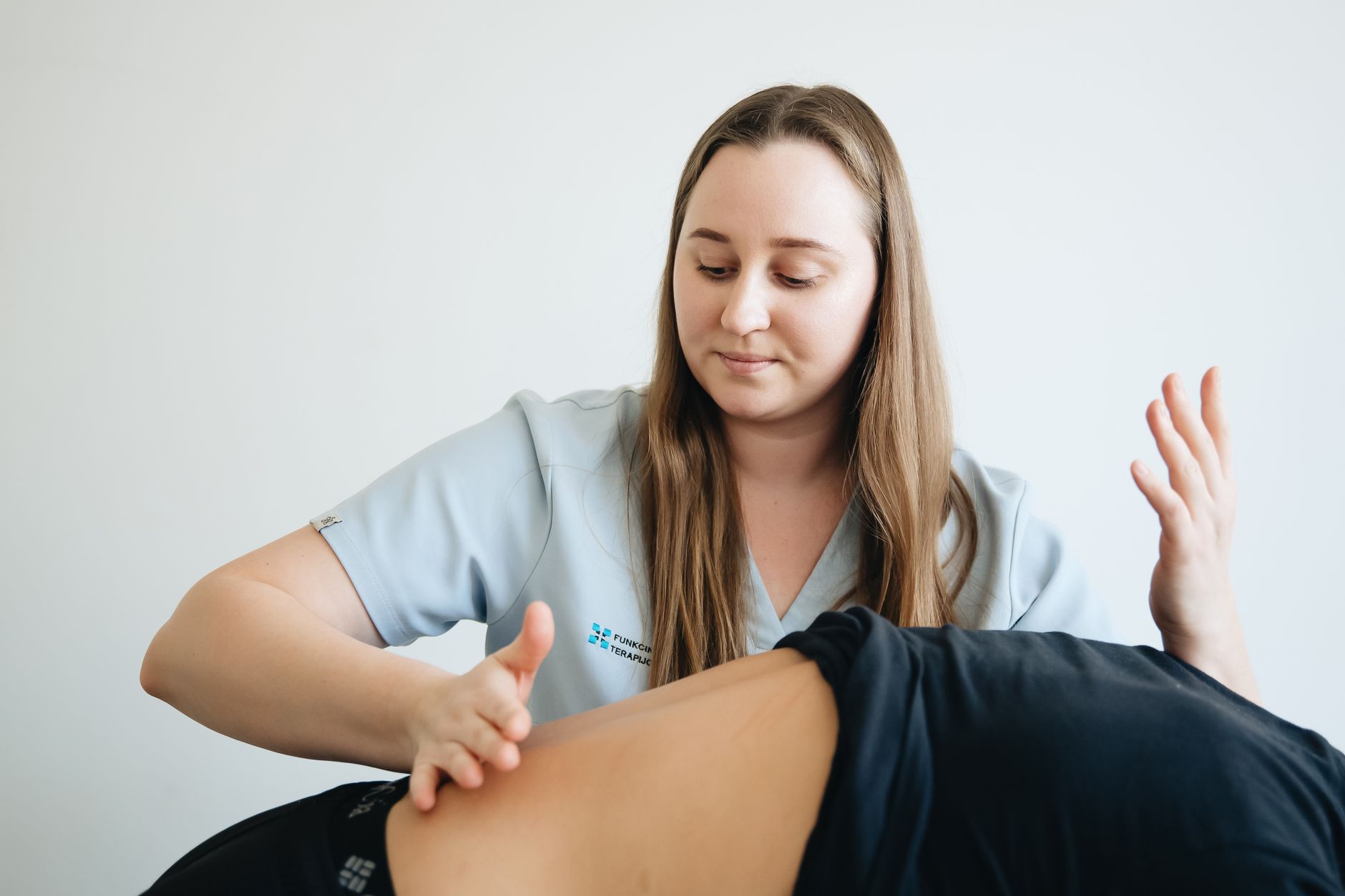
- Massage and Mobilization Techniques: To reduce tension in surrounding tissues and improve circulation.
- Modalities to Reduce Inflammation: Application of cold to relieve pain and swelling.
- Postural and Ergonomic Education: Advice on how to perform daily tasks in a way that minimizes stress on the affected tendons.
- Non-Steroidal Anti-Inflammatory Drugs (NSAIDs): Medications like ibuprofen can help reduce pain and inflammation, always under a doctor's supervision.
Medical Interventions: When Conservative Care Needs a Boost
If conservative treatments do not provide sufficient relief, a doctor may consider other options:
- Corticosteroid Injections: This is one of the most common and effective medical interventions. A doctor injects a corticosteroid (a powerful anti-inflammatory) directly into the affected tendon sheath. The goal is to reduce inflammation and thickening, allowing the tendon to glide freely. Many patients experience significant relief and even complete healing with one or two injections, although the effects can be temporary for some.
The Surgical Solution: Trigger Finger Release
When conservative treatments and injections fail to resolve the problem, or if the locking is severe and persistent, surgery may be the best option.
- A1 Pulley Release: This minor surgical procedure is typically performed under local anesthesia. The surgeon makes a small incision in the palm of the hand (or uses a percutaneous technique) to cut and release the constricted A1 pulley. This creates more space for the tendon to move without restriction. Recovery is usually quick, with immediate relief from the locking. Post-operative rehabilitation with physiotherapy exercises is crucial, however, to restore full hand strength and mobility, as well as to manage any scarring.
Conclusion
Trigger finger can be a frustrating condition, but you don't have to live with the pain and limitation. From conservative approaches like physiotherapy to medical and surgical interventions, there are multiple paths to finding relief. The key is to consult a healthcare professional, such as your general practitioner or a physiotherapist, to get an accurate diagnosis and a personalized treatment plan. Together, we can work to unlock your finger and restore full functionality to your hand.