

Say Goodbye to Tailbone Pain: Physiotherapy, Your Ally Against Coccydynia
July 3, 2026 · 3 min read
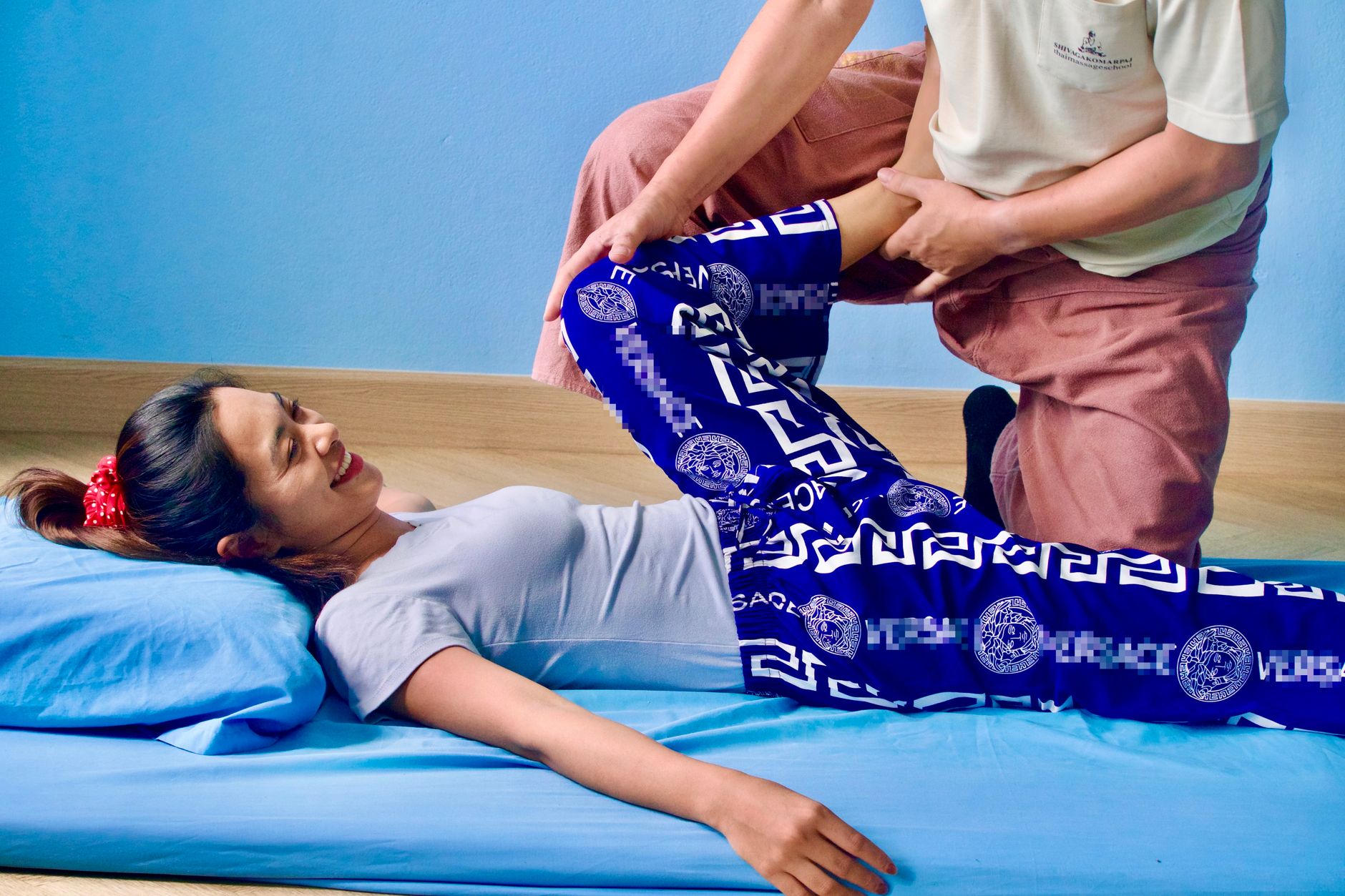
Say Goodbye to Tailbone Pain: Physiotherapy, Your Ally Against Coccydynia
Tailbone pain, medically known as coccydynia, is a more common condition than often thought and can be extremely bothersome and incapacitating. If you feel sharp pains when sitting, standing up, or even walking, physiotherapy offers an effective and lasting path to relief.
What is Coccydynia and Why Does It Hurt So Much?
Coccydynia is pain originating from the coccyx, the small triangular bone located at the bottom of the spine. Although small, the coccyx is crucial for support when sitting and for the attachment of ligaments and pelvic floor muscles. Frequent causes include direct falls onto the buttocks, difficult childbirth, prolonged periods of sitting on hard surfaces, degenerative changes, and even, in some cases, its origin is idiopathic (without apparent cause). The pain is sharp and intensifies with direct pressure, changes in posture, and activities involving the pelvic floor, significantly impacting quality of life.
Diagnosis and Physiotherapeutic Assessment
An accurate diagnosis is the crucial first step. As physiotherapists, we will perform a comprehensive assessment that will include a detailed medical history, where we will inquire about your symptoms, their onset, factors that relieve or worsen them, and your lifestyle. Next, a physical examination will be conducted, which may include external and internal palpation of the coccyx (if necessary and with your informed consent), assessment of lumbosacral and pelvic mobility, as well as evaluation of adjacent musculature, including the pelvic floor and gluteal muscles. It is crucial to rule out other possible causes of pelvic pain to focus the treatment effectively.
Comprehensive Physiotherapeutic Treatment for Coccydynia
Our treatment approach is holistic and personalized, aiming not only to relieve pain but also to address the root cause:
- Manual Therapy: Gentle joint mobilization techniques of the coccyx (external or internal) are applied to restore its normal mobility. We also work on myofascial release of surrounding soft tissues, such as the gluteal muscles, piriformis, and, very importantly, the pelvic floor muscles, which are often tight and contribute to pain.
- Postural Re-education and Ergonomics: We will guide you on how to sit correctly to minimize pressure on the coccyx. This includes the use of special cushions (donut or wedge type) and adapting your work or rest environment.
- Therapeutic Exercise: We will design an individualized exercise program to strengthen core and pelvic floor muscles, improve flexibility, and stretch tight muscles that may be affecting the area.
- Education and Self-management: We will provide you with tools to understand your pain, manage flare-ups, and prevent future recurrences through activity guidelines, specific stretches, and daily modifications.
Practical Tips for Daily Life
While you receive treatment, small changes can make a big difference. Avoid sitting on hard surfaces or for very prolonged periods. Use a donut or wedge-shaped cushion to relieve pressure. Pay attention to your posture, keeping your back straight and your feet flat. Take active breaks to stand up and stretch if your job requires a lot of sitting.
Coccydynia doesn't have to be a sentence to live with pain. With the guidance of an expert physiotherapist, you can regain comfort and return to enjoying your daily activities without discomfort. Don't hesitate to seek professional help.