

Say Goodbye to Falls: How Your Physiotherapist Helps You Maintain Stability in Your Golden Years
November 3, 2026 · 3 min read
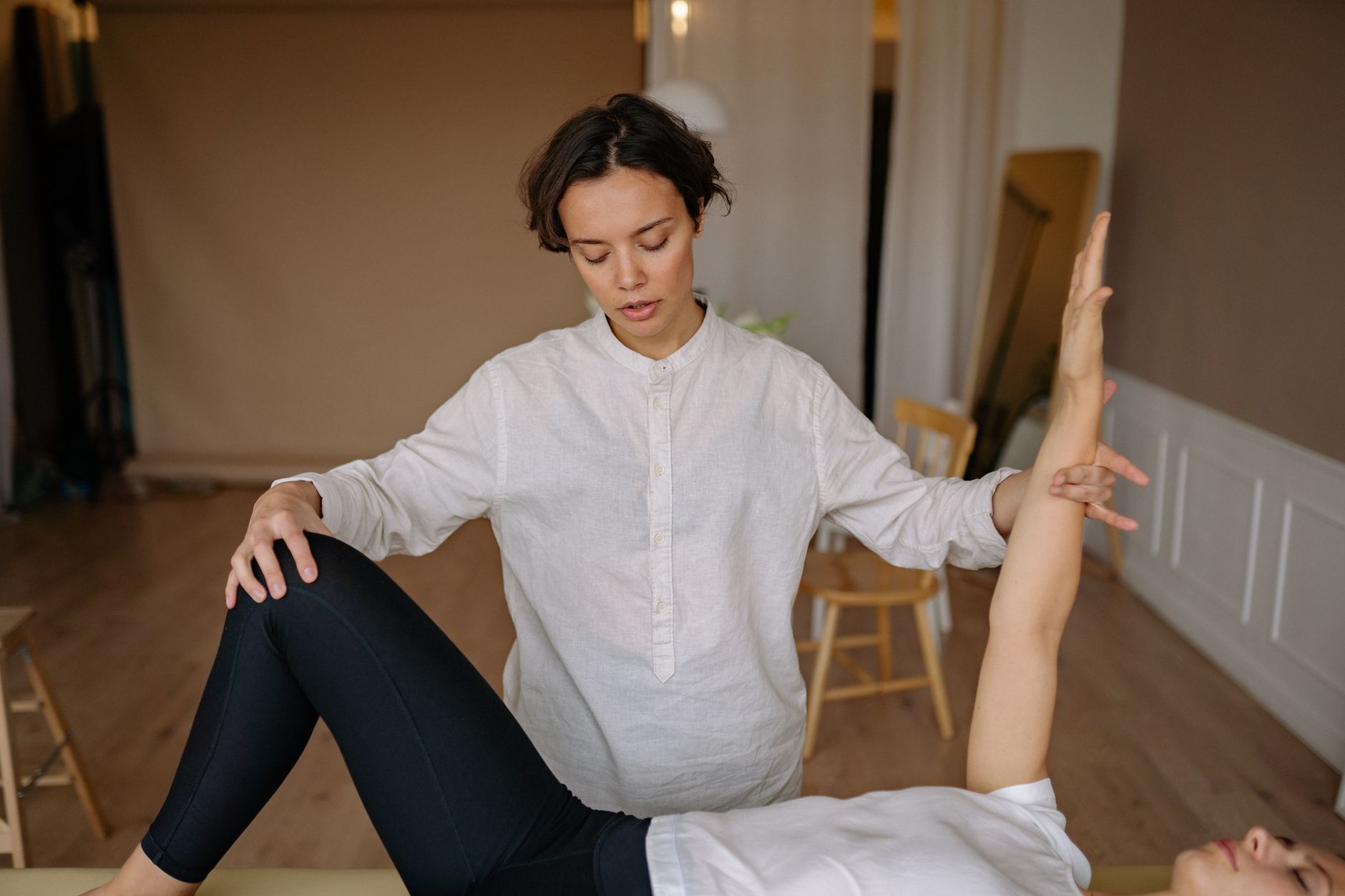
Say Goodbye to Falls: How Your Physiotherapist Helps You Maintain Stability in Your Golden Years
Falls represent one of the main health and safety concerns for older adults, with consequences ranging from severe physical injuries to loss of independence and quality of life. However, they are not an inevitable part of aging. Prevention is key, and this is where the physiotherapist's role becomes fundamental for living a full and active life.
Why are Falls Such a Significant Concern in Older Age?
One in three people over 65 experiences at least one fall per year, and this percentage increases significantly with age. Beyond bruises and minor injuries, falls can lead to serious fractures, especially hip fractures, which often require hospitalization and a long recovery process, severely impacting autonomy. In addition to physical harm, the fear of falling again (known as "post-fall syndrome") can lead individuals to drastically reduce their physical activity, entering a vicious cycle of weakness, isolation, and, paradoxically, an even greater risk.
Comprehensive Assessment: The First Step Towards Safety
The physiotherapist is the ideal professional to conduct a comprehensive and personalized assessment of individual fall risk factors. This evaluation goes far beyond a simple review, including specific static and dynamic balance tests (such as the Berg Balance Scale or the "Timed Up and Go" test), detailed gait analysis, assessment of muscle strength, flexibility, and proprioceptive acuity (the body's ability to perceive its position in space). Other factors are also considered, such as a history of falls, medication use, vision problems, and the home environment. With all this information, the physiotherapist can design an intervention plan fully tailored to your needs.
Your Personalized Plan: Therapeutic Exercise for Greater Stability
Based on the assessment, the physiotherapist will create a therapeutic exercise program designed for your specific abilities, focusing on improving those aspects that make you more vulnerable to falls. This program will include exercises to strengthen key muscles in the legs and core, essential for support and movement. Balance will be intensively worked on, both on stable and unstable surfaces, along with coordination, to improve the ability to react to unexpected imbalances. Flexibility and joint range of motion will also be addressed, which are fundamental for efficient and safe walking. The goal is not only to prevent future falls but also to increase confidence in daily movement.
Education and Environmental Modification: Beyond Exercise
The physiotherapist's role is not limited to supervising exercises in the clinic. They will also educate you on practical strategies to reduce risks in your home environment, advising on adequate lighting, removing loose rugs, installing handrails, or the correct use of assistive devices if needed. You will be taught safe techniques for getting up from the floor in case of a fall, how to dress, or perform daily tasks while minimizing risks. Furthermore, working with a physiotherapist will help you overcome the fear of falling, restoring your confidence to stay active and enjoy your independence with greater safety.
Conclusion
Fall prevention is a fundamental pillar for maintaining autonomy and improving quality of life in older age. Don't wait for a fall to occur before acting. An expert physiotherapist can be your greatest ally on this journey, offering you the tools and support needed to stay steady, safe, and enjoy every stage of your life to the fullest.