

Back Pain in Pregnancy: Your Physiotherapy Guide to Relief
June 29, 2026 · 4 min read
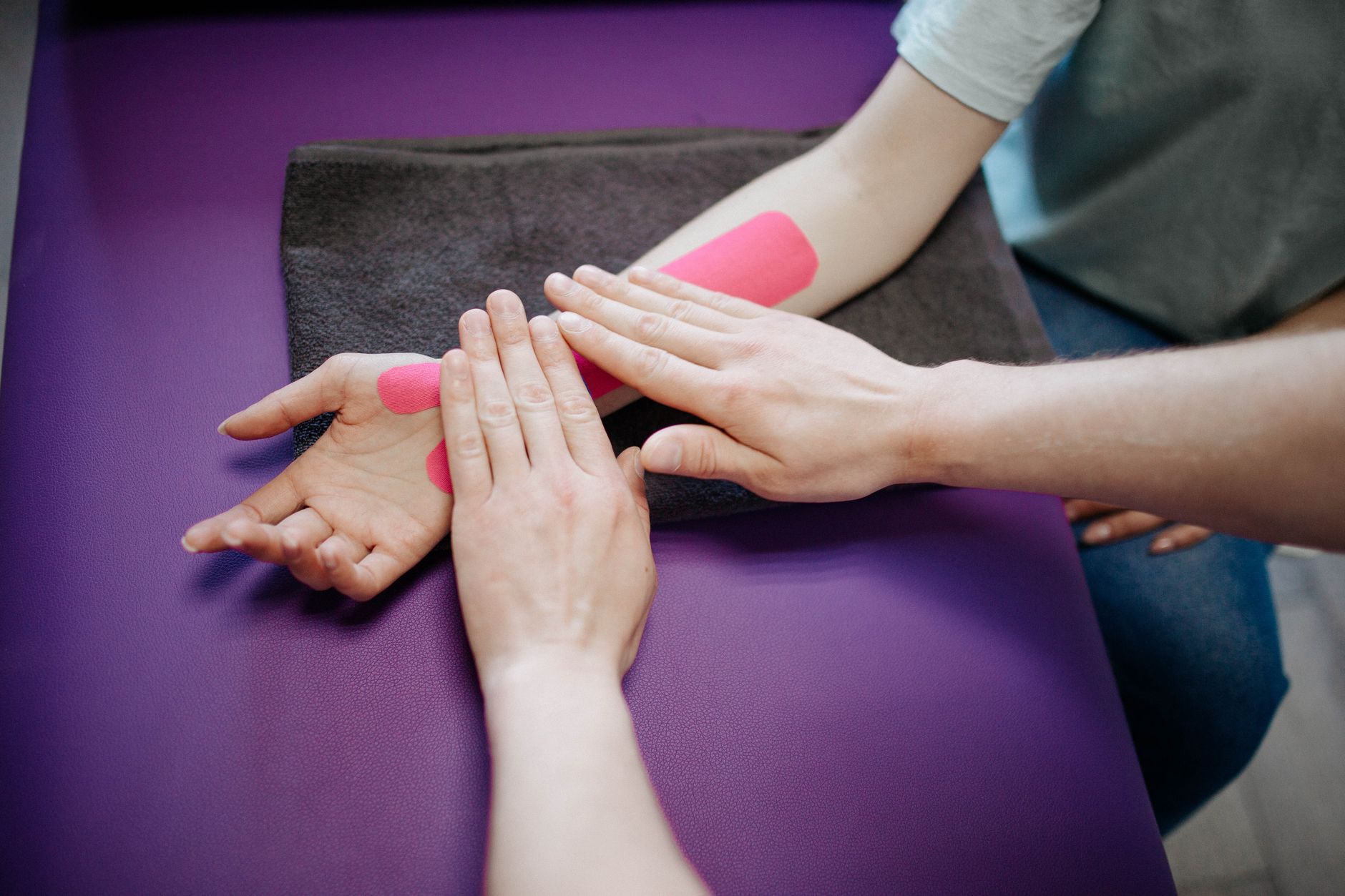
Back Pain in Pregnancy: Your Physiotherapy Guide to Relief
Pregnancy is a wonderful and transformative stage, but it often comes with discomforts, with back pain being one of the most common. If you feel that persistent ache or tension, you are not alone; up to 80% of expectant mothers experience it. As your physiotherapist, I'm here to offer practical advice and safe exercises to help you navigate this stage with greater comfort and well-being.
Why Does Your Back Hurt? Understanding the Changes
Back pain during pregnancy is not a whim; it's a physiological response to the profound changes your body undergoes. Firstly, the hormone relaxin, produced to prepare your body for childbirth, relaxes the ligaments in the pelvis and other joints, making them looser and less stable. Added to this is the progressive weight gain, from both the baby and the amniotic fluid and placenta, which shifts your center of gravity forward. To compensate, many women adopt a posture with increased lumbar lordosis (curve in the lower back), which creates additional tension in the muscles and joints of that area. Furthermore, the pressure of the growing uterus on nerves and blood vessels in the pelvis can also contribute to discomfort.
Daily Strategies for Pain Relief
Fortunately, there are many actions you can incorporate into your daily life to mitigate back pain:
- Maintain good posture: Pay attention to how you stand, sit, and walk. Try to keep your back straight, shoulders relaxed, and abdomen slightly engaged (without straining). When standing, distribute your weight evenly and avoid hyperextending your lower back.
- Appropriate footwear: Opt for comfortable, low-heeled or flat shoes with good arch support. Avoid high heels, which can accentuate the lumbar curve.
- Lifting techniques: If you need to lift something, bend your knees and use the strength of your legs, keeping your back straight. Avoid bending from the waist.
- Rest and sleeping position: Sleep on your side with a pillow between your knees to align your spine and another under your abdomen for support. This reduces pressure on your lower back.
- Apply heat or cold: A hot water bottle or a cold pack on the sore area can provide temporary relief. Experiment to see which works best for you.
- Avoid standing for prolonged periods: If your job requires it, try to change positions frequently or rest one foot on a low stool to alternate weight.
Safe Exercises for Strengthening and Stretching
Moderate and specific physical activity is key to preventing and relieving back pain during pregnancy. Always consult your doctor before starting any exercise routine.
- Pelvic Tilts: Lie on your back with knees bent and feet flat on the floor (or on all fours). Inhale and relax your lower back, creating a small arch. Exhale and gently contract your abdominal muscles to flatten your back against the floor (or arch it upwards on all fours), drawing your belly button towards your spine. Repeat 10-15 times.
- Cat-Cow Pose: On all fours, with hands under shoulders and knees under hips. Inhale as you arch your back, gently looking upwards (cow). Exhale as you round your spine, bringing your chin to your chest (cat). Perform fluid and controlled movements, 10-15 repetitions.
- Piriformis/Glute Stretch: Sitting in a chair, cross one ankle over the opposite knee. Gently lean forward until you feel a stretch in your glute. Hold for 20-30 seconds and switch sides.
- Walking: Regular walking at a moderate pace is excellent for staying active, strengthening back muscles, and improving circulation. Be sure to wear comfortable footwear and maintain an upright posture.
Conclusion
Back pain during pregnancy is common, but you don't have to resign yourself to living with it. By adopting these daily strategies and performing the recommended exercises, you can experience significant relief and enjoy this stage more. Remember to listen to your body, stay hydrated, and if the pain is severe, persistent, or accompanied by other symptoms, do not hesitate to consult your doctor or a physiotherapist specializing in pelvic health for a personalized evaluation. Your well-being is our priority!