

Getting Back on Your Feet: Your Essential Guide to Post-Hip Fracture Rehabilitation in the Golden Years
August 10, 2026 · 4 min read
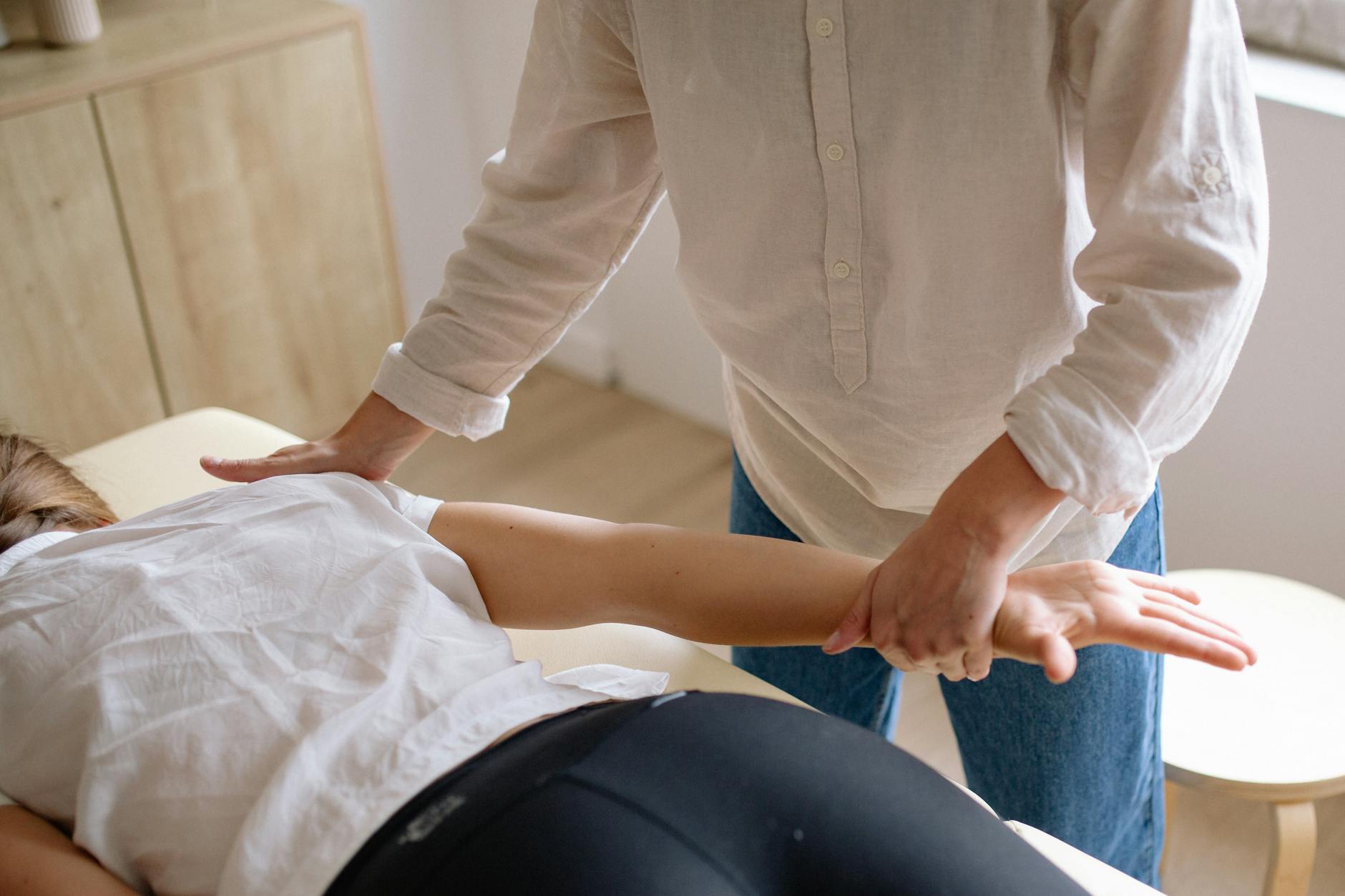
Getting Back on Your Feet: Your Essential Guide to Post-Hip Fracture Rehabilitation in the Golden Years
A hip fracture is a serious and, unfortunately, very common event in older adults, often with significant consequences for their quality of life. Beyond surgical intervention, the path to full recovery is a fundamental process that demands dedication, patience, and a professional approach. Post-surgical rehabilitation is, without a doubt, the key to restoring mobility and independence.
The Importance of Early and Personalized Rehabilitation
After a hip fracture, the immediate priority is surgery to stabilize the bone. However, the true "healing" process goes much deeper. A hip fracture not only affects the bone but can also profoundly impact the patient's muscle strength, balance, confidence, and functional capacity. Rehabilitation should begin as soon as it is medically safe, even in the first few postoperative days.
A multidisciplinary team (surgeons, nurses, physiotherapists, occupational therapists, and often, nutritionists) works together to ensure comprehensive recovery. The primary goal of early physiotherapy is to control pain, prevent complications such as deep vein thrombosis or pneumonia, and safely mobilize the patient to prevent muscle weakness and loss of functionality. It's not just about repairing the bone, but about returning life to movement and autonomy to the individual.